Museum of Ethnography & Norman Popular Art, Honfleur
Museum in Honfleur
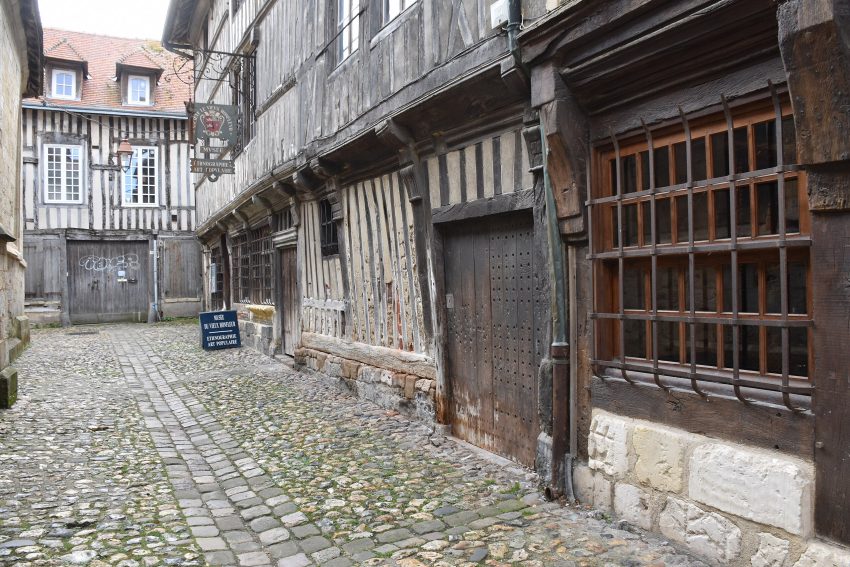
The Museum of Ethnography and Norman Popular Art is one of the top attractions in Honfleur, offering an intimate look into the daily lives, traditions, and craftsmanship of Normandy's past. Housed in a 16th-century half-timbered building that once served as the Viscounty of Roncheville prison, the museum transports visitors through time with its series of meticulously recreated rooms. Each space reflects a different aspect of Norman life, making it one of the must-see places in Honfleur for travellers curious about the region's cultural heritage.
From the merchant's boutique and cooper's workshop to the weaver's room and sailor's dining table, the museum pairs artefacts with atmospheric settings that feel remarkably authentic. Often visited on walking tours of Honfleur, it also complements the nearby Maritime Museum, offering one of the best places to see in the Museum of Ethnography and Norman Popular Art for visitors seeking a deeper understanding of local traditions and historic craftsmanship.
Table of Contents
- History and Significance of the Museum of Ethnography and Norman Popular Art
- Things to See and Do in the Museum of Ethnography and Norman Popular Art
- How to Get to the Museum of Ethnography and Norman Popular Art
- Practical Tips on Visiting the Museum of Ethnography and Norman Popular Art
- Where to Stay close to the Museum of Ethnography and Norman Popular Art
- Is the Museum of Ethnography and Norman Popular Art Worth Visiting?
- FAQs for Visiting the Museum of Ethnography and Norman Popular Art
- Nearby Attractions to the Museum of Ethnography and Norman Popular Art
History and Significance of the Museum of Ethnography and Norman Popular Art
The museum’s home-a beautiful 16th-century half-timbered structure-was originally used as the town prison under the authority of the Viscounty of Roncheville. Its thick wooden beams, narrow staircases, and preserved detention rooms continue to hint at this earlier role, adding a unique historical layer to the visitor experience.
Founded to preserve and interpret Norman traditions, the museum offers a rare glimpse into everyday life from past centuries. Its twelve reconstructed rooms highlight trades, domestic activities, and the social customs that shaped Honfleur and the surrounding region. Displays include traditional Norman furniture, headdresses, costumes, tools, and household items, revealing the resourcefulness and artistry of local communities.
By presenting its collection in immersive settings, the museum provides a powerful connection to the rhythm of life in historical Normandy-its work, family structures, beliefs, and coastal character.
Things to See and Do in the Museum of Ethnography and Norman Popular Art
Visitors move from room to room, exploring scenes that recreate workshops, kitchens, bedrooms, and places of trade. Highlights include the Mercier boutique, where goods were sold to townspeople; the cooper’s workshop, showcasing tools used to craft barrels essential to maritime trade; and the weaver’s room, filled with spinning wheels, shuttles, and textiles.
Costumes and traditional Norman headdresses offer insight into regional dress, while furniture and handcrafted objects reflect centuries of rural craftsmanship. A sailor’s dining area brings together the maritime and domestic worlds that shaped Honfleur’s identity. Earthenware from Pré-d’Auge adds colour and artistry to the displays, demonstrating local ceramic traditions.
The museum also preserves parts of the original prison, allowing visitors to step into narrow cells and passageways that illuminate the building's earlier function. This blend of domestic life and judicial history makes a visit one of the things to do in Honfleur for anyone seeking a deeper appreciation of the town's layered past.
How to Get to the Museum of Ethnography and Norman Popular Art
Travellers reaching Honfleur typically arrive via Deauville-Normandie Airport, the nearest regional hub with domestic and limited international flights. From the airport, Honfleur is a short journey by taxi or rental car. For the best deals and a seamless booking experience, check out these flights to Honfleur on Booking.com.
The nearest major railway access point is Deauville-Trouville Station, with regular trains from Paris Saint-Lazare and connections to other Normandy cities. Buses, taxis, and shuttles provide easy onward travel into Honfleur. You can use SNCF Connect to check schedules, compare routes, and purchase tickets for National (SNCF ) and regional trains (TER). For a more streamlined experience, we recommend using Omio, which allows you to easily compare prices, schedules, and book tickets for both National and Regional travel across all of Europe, all in one place.
By car, Honfleur is well connected via highways such as the A13 and A29, with several public car parks available near the town centre. From there, it is a pleasant walk through the historic streets to the museum. If you are looking to rent a car in France I recommend having a look at Discover Cars, first, as they compare prices and review multiple car rental agencies for you.
Practical Tips on Visiting the Museum of Ethnography and Norman Popular Art
- Suggested tips: Take your time in each room-many details are easy to miss on a quick walk-through.
- Best time to visit: Mornings or weekdays for a quieter, more immersive experience.
- Entrance fee:
- Opening hours:
- Official website:
- How long to spend: Around 45 minutes to one hour is ideal for exploring all 12 rooms.
- Accessibility: Narrow staircases and uneven floors may be challenging for some visitors.
- Facilities: Shops, cafés, and conveniences are available nearby in the historic centre.
- Photography tip: Look for textured details-wooden beams, tools, fabrics-to capture the atmosphere.
- Guided tours: Occasionally offered through the local tourism office.
- Nearby food options: Numerous cafés and bistros are located around Sainte-Catherine and the Vieux Bassin.
Where to Stay close to the Museum of Ethnography and Norman Popular Art
Staying near the museum provides easy access to Honfleur’s historic charms. Consider Les Maisons de Léa, offering boutique comfort in an elegant setting. For a luxury stay with Norman character, La Ferme Saint Simeon is an exceptional choice overlooking the estuary. Another convenient option is Hôtel L’Ecrin, set within walking distance of the museum and other major attractions.
Is the Museum of Ethnography and Norman Popular Art Worth Visiting?
Yes, the museum is absolutely worth visiting. Its reconstructed rooms, historic artefacts, and preserved prison spaces create a vivid, atmospheric journey into Normandy’s past. Whether you’re passionate about local culture, curious about traditional craftsmanship, or looking for a unique perspective on Honfleur’s heritage, this museum offers a deeply enriching experience.
What Other Travellers Say...

Museum of Ethnography, at Dózsa György út 35 in Budapest, houses a huge collection of items illustrating life in Hungary and Eastern Europe during the 19th and 20th centuries; visitors describe a very modern, interactive layout with many objects and numerous tablets alongside exhibits, plus high-quality wardrobe, restrooms and a café with a pleasant terrace. The museum is open Tuesday–Sunday 10:00–18:00 (closed Monday) and reviewers note helpful audio guides are needed for non-Hungarian speakers, experiences vary with some staff interactions described as unpleasant.


FAQs for Visiting the Museum of Ethnography and Norman Popular Art
Nearby Attractions to the Museum of Ethnography and Norman Popular Art
- Maritime Museum: Located in the former Saint-Étienne Church, showcasing Honfleur's seafaring traditions.
- Sainte-Catherine Church: A remarkable wooden church resembling an upside-down ship hull.
- Vieux Bassin (Old Port): The iconic harbour surrounded by colourful historic buildings.
- La Lieutenance: The last remnant of medieval fortifications, now a maritime heritage centre.
- Jardin du Tripot: A peaceful riverside garden filled with greenery and artistic installations.
The Museum of Ethnography & Norman Popular Art appears in our Complete Guide to Visiting Honfleur!

Moira & Andy
Hey! We're Moira & Andy. From hiking the Camino to trips around Europe in Bert our campervan — we've been traveling together since retirement in 2020!
This website uses affiliate links which may earn a commission at no additional cost to you!
Planning Your Visit
April – September, daily from 10:00 AM to 12:00 PM and 2:00 PM to 6:30 PM.
October – March,
Weekdays 2:30 PM to 5:30 PM
Weekends 10:00 AM to 12:00 PM and 2:30 PM to 5:30 PM
€4.20 for adults
Nearby Attractions
- Musée de la Marine (0.0) km
Museum - Manoir de Roncheville (0.1) km
Historic Building - The Vieux Bassin (0.1) km
Port - Salt Granaries (0.1) km
Historic Building - Jardin du Tripot (0.1) km
Gardens - La Lieutenance (0.1) km
Historic Building - Church of Sainte-Catherine (0.2) km
Church - Saint-Léonard Church (0.3) km
Church - Eugène Boudin Museum (0.4) km
Museum - Les Maisons Satie (0.5) km
Museum