Teatro Nacional de São Carlos, Lisbon
Theatre in Lisbon
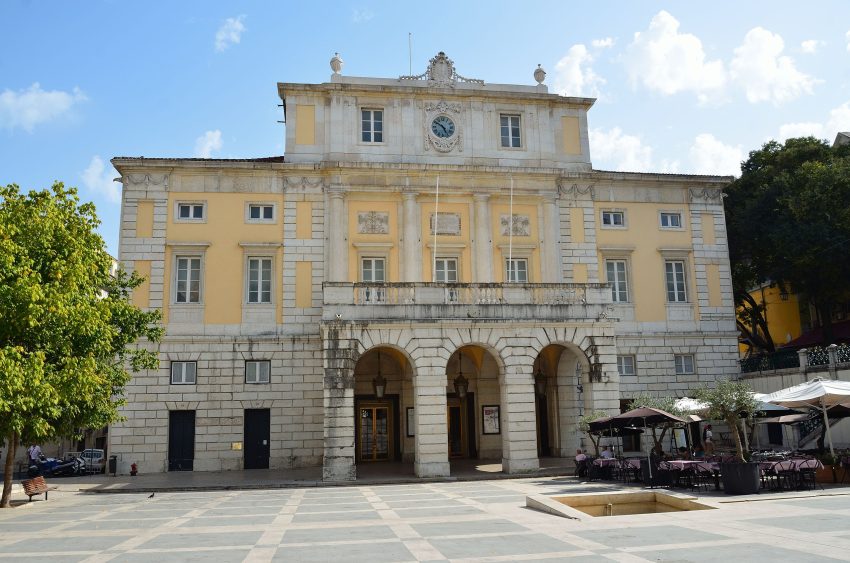
Teatro Nacional de São Carlos is the elegant, chandelier-lit heart of Lisbon's classical music scene, tucked into the atmospheric streets of Chiado. Opened in 1793 to replace the opera house lost in the 1755 earthquake, it was designed in a refined neoclassical style, inspired by Milan's La Scala, with a restrained exterior that hides a spectacularly ornate interior. Step inside and you are immediately wrapped in red velvet, gilded stucco, glittering chandeliers, and a painted ceiling that feels like stepping onto the set of a grand 19th-century opera.
Today, this is still where Lisbon dresses up for a big night out at the opera, with seasons of Italian and German classics, contemporary productions, orchestral concerts, and chamber music. Home to the Portuguese Symphony Orchestra and the São Carlos National Theatre Chorus, the theatre has become a benchmark for performance quality in Portugal. The intimate auditorium, praised for its acoustics, makes you feel close to the stage wherever you sit, and even if you are not catching a show, the guided tours are a great place to visit on a walking tour of Lisbon if you want a behind-the-scenes look at one of the city's cultural icons.
Table of Contents
- History and Significance of Teatro Nacional de São Carlos
- Things to See and Do in Teatro Nacional de São Carlos
- How to Get to Teatro Nacional de São Carlos
- Practical Tips on Visiting Teatro Nacional de São Carlos
- Where to Stay close to Teatro Nacional de São Carlos
- Is Teatro Nacional de São Carlos Worth Visiting?
- FAQs for Visiting Teatro Nacional de São Carlos
- Nearby Attractions to Teatro Nacional de São Carlos
History and Significance of Teatro Nacional de São Carlos
Teatro Nacional de São Carlos was inaugurated on 30 June 1793 by Queen Maria I, less than half a century after the devastating 1755 earthquake destroyed Lisbon's original opera house. Its construction symbolised the city's cultural rebirth: a statement that Lisbon would not only rebuild its streets and churches, but also restore its place on Europe's artistic map. Architect José da Costa e Silva drew clear inspiration from La Scala in Milan, giving Lisbon a theatre that matched other great European opera houses in ambition and style.
Over the centuries, the theatre has survived political upheavals, wars, and changing tastes. It was temporarily closed during the Portuguese Civil War in the 19th century and later modernised with gas and then electric lighting, continually updated to match the technology of the time. In the 20th century, a resident opera company and, later, the Orquestra Sinfónica Portuguesa were created, ensuring a stable artistic life and turning São Carlos into a year-round hub for opera and symphonic repertoire.
Today, Teatro Nacional de São Carlos is classified as a National Monument and remains Portugal's only dedicated opera house. Its reputation extends well beyond Lisbon, attracting international soloists, conductors, and directors, while also nurturing Portuguese talent. For anyone interested in how architecture, history, and music intersect, it is one of the top sights in Lisbon, and a powerful reminder of how culture helped the city recover from one of the most traumatic events in its history.
Things to See and Do in Teatro Nacional de São Carlos
If you can, the best way to experience São Carlos is by attending an evening performance. Arrive a little early to soak up the pre-show buzz in the foyer, admire the sweeping staircases, and then step into the main hall with its horseshoe-shaped tiers of boxes, red and gold décor, and a frescoed ceiling that draws your eye upward while the orchestra tunes. Whether you are seeing a full opera, a symphonic concert, or a chamber recital, the combination of historic surroundings and finely balanced acoustics makes the experience feel special from the first note.
If your schedule does not line up with the performance calendar, or you simply want a deeper look behind the scenes, consider joining a guided tour. These visits typically take you through the public foyers, the richly decorated main hall, and sometimes backstage or into rehearsal areas when possible. Along the way you will hear stories about the theatre's construction, fires, restorations, and famous performances, giving you context that is easy to miss if you only see it during a show. Together, the tours and performances make São Carlos one of the best places to visit in Lisbon for culture lovers.
After your time inside, take a moment to enjoy the theatre from the outside as well. The neoclassical façade, with its pediment, columns, and sculpted details, fits beautifully into Chiado’s elegant streetscape. From here, you are steps away from historic cafés, theatres, and bookshops, so it is easy to continue your evening with a drink or dinner nearby, still buzzing from the performance you have just heard.
How to Get to Teatro Nacional de São Carlos
Teatro Nacional de São Carlos is located in Chiado, a central and very walkable part of Lisbon, making it easy to reach on foot if you are staying in Baixa, Chiado, or Bairro Alto. From central squares like Rossio or Praça do Comércio, it is a short uphill stroll through atmospheric streets, and you can combine the walk with a stop at some of Lisbon's classic cafés or viewpoints.
If you are arriving by air, you will land at Lisbon Humberto Delgado Airport, which is connected to the city by metro, buses, and taxis in around 20-30 minutes depending on traffic. For the best deals and a seamless booking experience, check out these flights to Lisbon on Booking.com. From the airport, the simplest route is usually to take the metro to Baixa-Chiado station and walk a few minutes to the theatre.
Metro and train connections make it straightforward to reach Chiado from other parts of the city or from nearby towns. Baixa-Chiado station, served by both the blue and green metro lines, is the closest stop, while Cais do Sodré and Rossio stations are also within walking distance if you are coming in on suburban trains or using the Cascais or Sintra lines.Train schedules and bookings can be found on Omio. From any of these, follow signs towards Chiado and then to Rua Serpa Pinto, where the theatre sits.
If you are driving, be aware that Chiado is part of Lisbon’s historic centre, with narrow streets, one-way systems, and limited on-street parking.If you are looking to rent a car in Portugal I recommend having a look at Discover Cars, first, as they compare prices and review multiple car rental agencies for you. It is usually more convenient to park in an underground car park on the edge of the district-such as those near Cais do Sodré or Camões Square-and continue on foot, especially if you are planning to stay late for a performance.
Practical Tips on Visiting Teatro Nacional de São Carlos
- Suggested tips: Check the official programme ahead of your trip and consider booking tickets early for popular operas and concerts, especially at weekends or during festival periods.
- Best time to visit: The main opera and concert season typically runs from autumn to late spring, but special events and summer performances may also be scheduled, so it is worth reviewing the calendar for your travel dates.
- Entrance fee: Adults: €25.00 to €70.00 depending on seat and production
- Opening hours: Performance and tour times vary by season; the box office generally opens in the early afternoon and remains open into the early evening on performance days—check current hours before visiting.
- Official website: https://www.saocarlos.pt/
- How long to spend: For a guided tour, allow about 45-60 minutes; for an evening performance, expect to spend several hours including intermissions and pre- or post-show drinks in Chiado.
- Accessibility: The historic building includes stairs and some narrow passages, but there are efforts to accommodate visitors with reduced mobility; check in advance for accessible seating and entry options tailored to your needs.
- Facilities: On-site you will find restrooms, a cloakroom, and a bar or foyer area for drinks during intervals; the surrounding Chiado district offers plenty of additional cafés, restaurants, and shops.
- Photography tip: During tours, make the most of wide-angle shots in the main hall to capture the tiers of boxes and the ceiling fresco; outside, evening light or nighttime illumination helps the façade stand out against the Chiado streets.
- Guided tours: If you are not seeing a performance, guided tours are a great way to access the interior; they are sometimes only offered on specific days, so pre-book or confirm schedules ahead of time.
- Nearby food options: Before or after a performance, you are spoiled for choice with Chiado’s bistros, wine bars, and pastelarias, many within a few minutes’ walk and ideal for extending your evening in this cultured part of town.
Where to Stay close to Teatro Nacional de São Carlos
Staying near Teatro Nacional de São Carlos puts you in a refined, central part of Lisbon, ideal if you plan to catch evening performances and still walk home through Chiado's lamplit streets. For a polished stay just a short stroll from the theatre, Bairro Alto Hotel offers five-star comfort, a stylish rooftop bar, and easy access to both Chiado and Bairro Alto. Travelers looking for a boutique feel might enjoy Hotel do Chiado, where many rooms and the terrace enjoy sweeping views over the Baixa rooftops and the Tagus. For a more intimate, design-led option close by, Dear Lisbon - Gallery House combines characterful interiors with a relaxed atmosphere, making it a comfortable base for exploring the neighbourhood by day and returning for opera nights at São Carlos.
Is Teatro Nacional de São Carlos Worth Visiting?
Teatro Nacional de São Carlos is absolutely worth visiting, even if you are only loosely interested in opera or classical music. The combination of historic significance, ornate interiors, and high-calibre performances makes it a standout cultural experience in Lisbon. Whether you book an evening performance or join a daytime tour, you will come away with a richer understanding of the city's artistic life and its resilience after the 1755 earthquake. In a district already full of theatres, cafés, and bookshops, this elegant opera house is often visited on walking tours of Lisbon and stands out as a particularly memorable stop.
What Other Travellers Say...

Teatro Nacional de São Carlos on R. Serpa Pinto 9 is an 18th-century neoclassical opera house presenting both classic and contemporary performances; visitors praise its historic authenticity and well‑maintained auditorium with good sightlines from any seat, note attractive private boxes on upper floors, and report guided backstage tours (arranged by email) led by a friendly guide; some have criticized last‑minute program cancellations and limited on‑site refreshment options.


FAQs for Visiting Teatro Nacional de São Carlos
Nearby Attractions to Teatro Nacional de São Carlos
- Largo do Chiado - A lively square framed by churches, cafés, and bookshops, perfect for people-watching before or after a performance.
- Elevador de Santa Justa - Iconic iron elevator linking Baixa and Carmo, offering great views over the city centre and the river.
- Carmo Convent (Convento do Carmo) - Evocative ruined church and archaeological museum that tells the story of the 1755 earthquake.
- Praça Luís de Camões - Central Chiado square dedicated to Portugal’s great poet, and a key crossroads between Bairro Alto and the downtown area.
- Rua Garrett - One of Chiado’s main shopping streets, lined with historic stores, international brands, and classic cafés like A Brasileira.
The Teatro Nacional de São Carlos appears in our Complete Guide to Visiting Lisbon!

Moira & Andy
Hey! We're Moira & Andy. From hiking the Camino to trips around Europe in Bert our campervan — we've been traveling together since retirement in 2020!
This website uses affiliate links which may earn a commission at no additional cost to you!
Planning Your Visit
Performance and tour times vary by season; the box office generally opens in the early afternoon and remains open into the early evening on performance days-check current hours before visiting.
Adults: €25.00 to €70.00 depending on seat and production
Nearby Attractions
- Carmo Convent (0.3) km
Convent - Elevador de Santa Justa (0.4) km
Viewing Point - Arco da Rua Augusta (0.4) km
Historic Building and Viewing Point - Praça do Rossio (0.5) km
Square - Miradouro de São Pedro de Alcântara (0.7) km
Viewing Point - Lisbon Cathedral (0.8) km
Cathedral - São Jorge Castle (0.9) km
Castle - Museu Nacional de História Natural e da Ciência (1.2) km
Museum - National Pantheon (1.6) km
Historic Building - São Vicente de Fora (1.6) km
Monastery