Taittinger, Reims
Historic Site in Reims
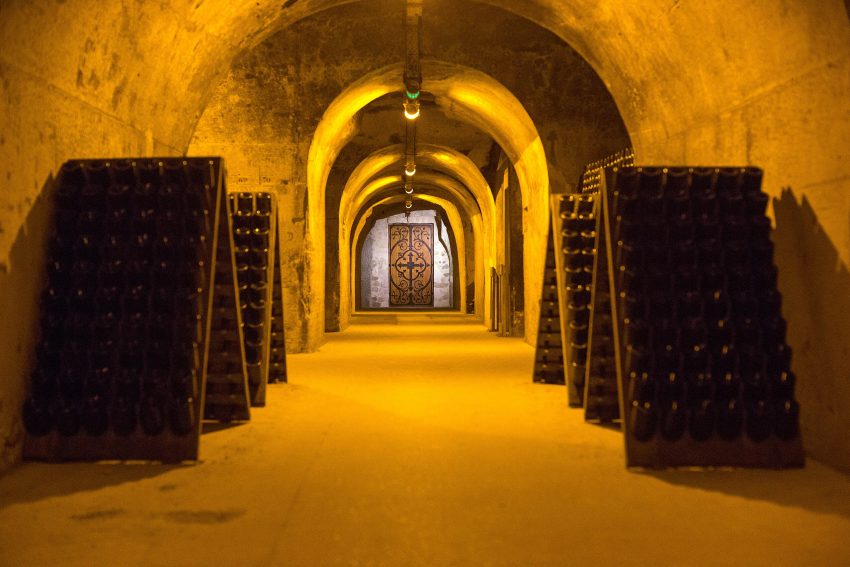
Champagne Taittinger is a classic Reims experience because it blends the city's deep history with the craft and ceremony of Champagne in a way that feels both polished and grounded. The house sits within Reims' historic fabric and is an easy stop for visitors who want a cellar visit that's as much about place as it is about tasting. Even before you go underground, the site's connection to the old Abbey of Saint-Nicaise hints at the layered story you're about to step into.
The highlight is the descent into the crayères: chalk cellars carved into the ground that feel like a quiet, subterranean city of tunnels and galleries. This spot is one of the best places to see in Reims if you want to understand why Champagne houses are inseparable from the geology of the region, and it's often visited on walking tours of Reims that include a Champagne-house stop as the day's most atmospheric experience.
Table of Contents
- History and Significance of the Champagne Taittinger
- Things to See and Do in the Champagne Taittinger
- How to Get to the Champagne Taittinger
- Practical Tips on Visiting the Champagne Taittinger
- Where to Stay close to the Champagne Taittinger
- Add a Is the Champagne Taittinger Worth Visiting?
- FAQs for Visiting Champagne Taittinger
- For Different Travelers
- Nearby Attractions to the Champagne Taittinger
History and Significance of the Champagne Taittinger
Taittinger's story is rooted in Reims' long religious and urban history. The estate's association with the former Abbey of Saint-Nicaise matters because it places the house in a setting shaped by centuries of monastic life, stonework, and underground excavation. Even in a region famous for Champagne, Taittinger stands out for how clearly the past is still visible on the site itself.
The crayères are the real historical anchor. These chalk pits and tunnels create an ageing environment that feels almost purpose-built by nature: consistently cool, gently humid, and still. That stability is one of the reasons Champagne can be aged so reliably here, but it’s also what makes the visit so memorable as travel. You’re not only learning a production process; you’re moving through a landscape that has been used and reused across different eras.
For visitors, this is where Reims' identity becomes tangible. You can spend the morning with Gothic façades and coronation stories, then descend into chalk to see the region's other great inheritance: the underground spaces that made large-scale Champagne ageing possible and turned Reims into a global name.
Things to See and Do in the Champagne Taittinger
Expect the experience to be guided and narrative-driven. A good tour here feels like a story told in stages: the above-ground introduction that frames Taittinger’s history, then the descent into the chalk where the focus shifts to craft, time, and the practical realities of ageing wine in a controlled natural environment.
In the crayères, let your senses do some of the work. The temperature drop, the muffled acoustics, and the chalk texture under low light create a mood that’s very different from other kinds of museum visits. This is also where you can ask the questions that make Champagne click: what changes with ageing, how blending decisions show up in taste, and what separates a house style from a one-off vintage.
The tasting is the natural conclusion, and it’s worth treating it as part of the learning rather than a quick finish. Try to connect what you’ve just seen-depth, time, bottles resting in chalk-with what you taste in the glass, whether that’s freshness, mousse, or a more developed, brioche-like note in higher cuvées.
If you're building a broader Champagne itinerary, it can also be useful to note that Taittinger has a link to the Château de la Marquetterie near Épernay. That's a different, countryside-feeling visit, and it can be a good add-on if you want to complement the Reims cellar experience with vineyards and a quieter landscape day.
How to Get to the Champagne Taittinger
Most international visitors reach Reims via Paris Charles de Gaulle Airport or Paris Orly Airport, then continue to Reims overland. For the best deals and a seamless booking experience, check out these flights to Reims on Booking.com.
Reims is straightforward by train from Paris Gare de l'Est, and once you arrive at Reims Centre station you can reach the Champagne-house area by taxi, local transport, or a longer walk depending on where you're staying. You can use SNCF Connect to check schedules, compare routes, and purchase tickets for National (SNCF ) and regional trains (TER). For a more streamlined experience, we recommend using Omio, which allows you to easily compare prices, schedules, and book tickets for both National and Regional travel across all of Europe, all in one place.
If you’re travelling by car, plan for city driving and parking logistics, then finish the last stretch on foot if needed, as that often keeps the visit stress-free. If you are looking to rent a car in France I recommend having a look at Discover Cars, first, as they compare prices and review multiple car rental agencies for you.
Practical Tips on Visiting the Champagne Taittinger
- Suggested tips: Book a guided tour that fits your preferred tasting level, then schedule a relaxed lunch afterward so you’re not rushing from bubbles to the next stop.
- Best time to visit: Weekday mornings or shoulder-season afternoons for calmer group sizes and a more unhurried underground visit.
- Entrance fee: Tastings: €37
- Opening hours: Advance booking is often required
- Official website: https://www.taittinger.com/en
- How long to spend: 90 minutes to 2 hours, depending on tour length and tasting level.
- Accessibility: The crayères involve stairs and underground walking; contact Taittinger in advance if you have mobility needs, as access options can be limited below ground.
- Facilities: Reception, tasting area, and typically a shop; toilets are usually available at the estate level.
- Photography tip: Underground lighting can be dim; if photography is allowed, steady shots work best and flash is usually discouraged.
- Guided tours: Highly recommended here because the crayères are most meaningful when explained with house history, production stages, and ageing context.
- Nearby food options: Plan to eat back in central Reims afterward, where you'll have more variety and can turn the tasting into a full Champagne-themed day.
Where to Stay close to the Champagne Taittinger
A central Reims base keeps your evenings easy while making Champagne houses straightforward day visits. Best Western Premier Hôtel de la Paix is a comfortable option near the main walking streets and restaurants. Holiday Inn Reims - Centre is a practical choice if you want simple logistics and quick access to transport. If you prefer to stay right in the cathedral district for early starts and late walks, La Caserne Chanzy Hotel & Spa, Autograph Collection keeps you close to Reims’ headline sights while making cellar visits an easy part of your day.
Add a Is the Champagne Taittinger Worth Visiting?
Yes, especially if you want a Champagne visit that feels rooted in Reims’ long history rather than purely branded hospitality. The link to the Abbey of Saint-Nicaise and the descent into chalk cellars give the visit a strong sense of place, and the guided structure helps you understand what you’re tasting rather than simply sampling it.
It's also a good choice if you prefer a slightly more traditional Champagne-house experience than an art-led cellar tour. You still get atmosphere underground, but the emphasis leans toward heritage, craft, and house style-ideal if you want your Reims trip to feel like a real Champagne education.
FAQs for Visiting Champagne Taittinger
What Other Travellers Say...

Champagne Taittinger, at 9 Place Saint-Nicaise in Reims, offers guided-tours of cellars carved from Roman mines with tailored tastings; visitors praise knowledgeable, engaging guides and well‑organized visits, note a chilly underground cellar so dress warmly, and report tastings of a few small pours in a sometimes cramped final room, with a pricey shop and an on-site restaurant where some guests enjoyed meals or extra pours at the bar.


For Different Travelers
Families with Kids
This can work for families if your children are comfortable with underground spaces and you treat it as an “adventure in tunnels” rather than a long lesson. Keep the visit focused on the cellar experience and the idea of time and ageing, and plan a snack or outdoor break afterward.
If your kids are very young, consider whether the stairs and quiet pacing underground will be enjoyable for them, as the experience is more reflective than energetic.
Couples & Romantic Getaways
For couples, Taittinger is a strong choice because it feels classic and atmospheric without being overly formal. The underground visit creates a shared “wow” moment, and the tasting naturally leads into a Champagne-flavoured afternoon in Reims.
If you want a more intimate feel, aim for a quieter weekday slot and build the rest of the day around slow walking, a long lunch, and a relaxed evening in the cathedral quarter.
Budget Travelers
A Champagne house tour is usually a paid highlight, so it's worth choosing one that feels genuinely immersive. Taittinger can be good value when you want a guided experience that explains process and heritage clearly, not just a quick cellar walk.
To keep costs down, combine it with free Reims highlights like cathedral wandering and open-air monuments, then choose only one paid cellar tour rather than stacking multiple similar visits.
Nearby Attractions to the Champagne Taittinger
- Basilique Saint-Remi: A UNESCO basilica with a vast Romanesque nave and a serene atmosphere.
- Musée Saint-Remi: The former royal abbey museum exploring Reims from Roman times to the Renaissance.
- Chapelle Foujita: A small chapel painted with frescoes by Léonard Foujita.
- Reims Cathedral: The city's essential Gothic landmark and historic coronation church.
- Palais du Tau: The archbishops' palace beside the cathedral, tied to coronation lodging and post-ceremony banquets.
The Taittinger appears in our Complete Guide to Visiting Reims!

Moira & Andy
Hey! We're Moira & Andy. From hiking the Camino to trips around Europe in Bert our campervan — we've been traveling together since retirement in 2020!
This website uses affiliate links which may earn a commission at no additional cost to you!
Planning Your Visit
Advance booking is often required
Tastings: €37
Nearby Attractions
- Basilique Saint-Rémi (0.3) km
Church - Villa Demoiselle (0.3) km
Historic Building - Musée Saint-Rémi (0.4) km
Museum - Champagne Pommery (0.4) km
Historic Site - Maison Veuve Clicquot (0.5) km
Historic Site - Maison Ruinart (0.6) km
Vinyard - Reims Champagne Automobile Museum (0.8) km
Museum - Parc de Champagne (0.8) km
Park - Carnegie Library of Reims (1.2) km
Historic Building and Library - Palais du Tau (1.3) km
Palace


