Spanish Arch, Galway
Historic Site in Galway
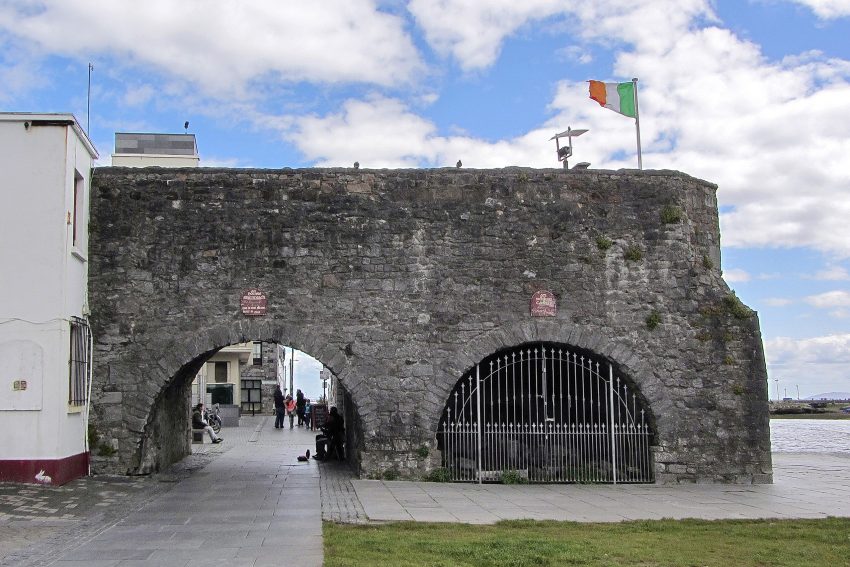
The Spanish Arch stands as one of Galway's most recognisable historic landmarks, marking where the city's medieval walls once met the River Corrib. Built in 1504 as part of an extension linking Martin's Tower to the river, these stone arches-Spanish Arch and the smaller Caoc Arch-reflect Galway's long maritime story and centuries-old trading links. Their atmospheric riverside location makes this one of the top attractions in Galway for visitors exploring the city's waterfront.
The name “Spanish Arch” likely comes from Galway's bustling medieval trade with Spain, whose merchants were frequent and influential visitors. The Eyre family expanded the quayside in the 1700s, creating the Long Walk and building an access arch once known as the Eyre Arch. Over time, the Spanish name endured, tying the structure firmly to Galway's seagoing heritage. The site is often visited on walking tours of Galway thanks to its scenic views, cultural significance, and proximity to the Galway City Museum.
Table of Contents
- History and Significance of the Spanish Arch
- Things to See and Do in the Spanish Arch Area
- How to Get to the Spanish Arch
- Practical Tips on Visiting the Spanish Arch
- Where to Stay close to the Spanish Arch
- Is the Spanish Arch Worth Visiting?
- FAQs for Visiting the Spanish Arch
- Nearby Attractions to the Spanish Arch
History and Significance of the Spanish Arch
Constructed in 1504, the arches were part of a defensive extension of Galway's medieval walls. Known as the “Front Wall,” this structure protected the busy quays where imported goods, local produce, and maritime trade once flowed. The Spanish Arch and Caoc Arch served as gateways between the fortified town and the waterfront, underlining Galway's reliance on sea commerce.
In the 18th century, the Eyre family reshaped the shoreline by creating the Long Walk-a picturesque row of quayside houses that remains one of Galway's most photographed areas. To allow access to the expanded waterfront, they added an archway originally known as the Eyre Arch. Despite this official naming, locals and traders continued to call it the Spanish Arch, reflecting the city's Iberian trade connections.
The arches survived significant damage from the 1755 Lisbon earthquake, whose Atlantic tsunami affected Galway's coastline. Though partially damaged, the structures endured and remained a defining feature of the quays. In the 20th century, the Spanish Arch even appeared in the 1957 film “The Rising of the Moon,” further cementing its cultural prominence.
Things to See and Do in the Spanish Arch Area
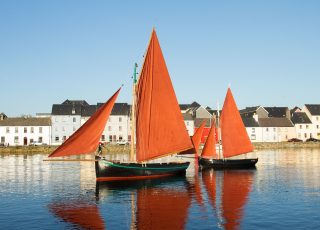
Visitors can walk beneath the stone arches to reach the riverside and the Long Walk, where colourful buildings line the quays and reflections shimmer on the Corrib. This area is one of the things to do in Galway for travelers who enjoy historic walks and scenic photography. The arches offer a tangible link to the city's medieval days and a perfect starting point for exploring Galway's maritime heritage.
The adjacent plaza is a lively public space, often animated with street performers, local artists, and events. Galway City Museum, located just behind the arches, provides deeper insight into the city's archaeology, boatbuilding traditions, and cultural evolution. From here, it's easy to stroll along the waterfront toward the Claddagh or explore the lively Latin Quarter.
The views from the Spanish Arch toward the river, the museum, and the Long Walk create a postcard-worthy setting. Whether you linger under the arches or sit by the water's edge, the area offers a blend of tranquility, history, and everyday Galway life.
How to Get to the Spanish Arch
The nearest major airport is Shannon Airport, which connects to Galway via direct bus services and car hire options. For the best deals and a seamless booking experience, check out these flights to Galway on Booking.com.
Galway's Ceannt Station is only a short 10-15 minute walk from the Spanish Arch, offering regular trains from Dublin and other Irish cities. Train schedules and bookings can be found on Omio.
Visitors arriving by car can access Galway via the M6 from Dublin or the N18 from Limerick, with several city-center car parks just a few minutes from the arch and waterfront.
Practical Tips on Visiting the Spanish Arch
- Suggested tips: Visit around sunset to see the Long Walk glow in warm evening light.
- Best time to visit: Spring to autumn for lively street activity and comfortable weather.
- Entrance fee in Euros: Free public access.
- Opening hours: Always accessible outdoors.
- Official website: Visit Galway City Council or tourism sites for updates.
- How long to spend: 15-30 minutes, or longer if exploring the waterfront.
- Accessibility: Level pathways make access easy for most visitors.
- Facilities: Nearby cafés, restaurants, and the Galway City Museum.
- Photography tip: Capture the arch framing the river or the colourful Long Walk beyond.
- Guided tours: Featured on most city walking tours.
- Nearby food options: Latin Quarter cafés, pubs, and restaurants are just steps away.
Where to Stay close to the Spanish Arch
Excellent accommodation options are available within walking distance. The House Hotel offers boutique comfort right beside the arch and museum. For historic elegance, The Hardiman provides classic charm in the heart of the city. Travelers seeking a modern hotel might enjoy The Dean Galway, conveniently located for exploring the Spanish Arch and the surrounding quarters.
Is the Spanish Arch Worth Visiting?
Yes-Spanish Arch is absolutely worth visiting for its blend of medieval heritage, riverside beauty, and cultural atmosphere. It's a memorable stop for anyone exploring Galway's old streets and waterfront, offering a perfect mix of history and scenic charm. Whether you're passing through on a walking tour or spending time watching the light change over the Corrib, the arch captures the essence of Galway's maritime spirit.
What Other Travellers Say...

Spanish Arch at 2 The Long Walk in Galway is an 18th‑century addition to older city walls that opens onto the Spanish Parade and riverside; visitors praise its attractive historic architecture and photo opportunities, enjoy strolling or picnicking along the river and catching street performances nearby, and note the fast river current and that the arch itself is a quick stop best combined with a riverside walk or visit to the nearby museum.


FAQs for Visiting the Spanish Arch
Nearby Attractions to the Spanish Arch
- Galway City Museum: A modern museum exploring local history and maritime heritage.
- The Long Walk: Colourful riverside houses along the quays.
- The Claddagh: A historic fishing village near Galway Bay.
- Shop Street: A vibrant pedestrian street with buskers, cafés, and shops.
- Wolfe Tone Bridge: A scenic crossing with views of the Corrib and city waterfront.
The Spanish Arch appears in our Complete Guide to Visiting Galway!

Moira & Andy
Hey! We're Moira & Andy. From hiking the Camino to trips around Europe in Bert our campervan — we've been traveling together since retirement in 2020!
This website uses affiliate links which may earn a commission at no additional cost to you!
Planning Your Visit
24 HOURS
Free
Nearby Attractions
- Galway City Museum (0.0) km
Museum - Galway Fisheries Watchtower Museum (0.1) km
Historic Site - Hall of the Red Earl (0.1) km
Historic Building - Kirwan's Lane (0.2) km
Street - Galway Latin Quarter (0.2) km
- The Long Walk (0.2) km
Historic Site - Collegiate Church of St Nicholas of Myra (0.3) km
Church - Lynch Memorial Window (0.4) km
Historic Site - Lynch's Castle (0.4) km
Historic Building - Statues of Oscar Wilde and Eduard Vilde (0.5) km
Statue