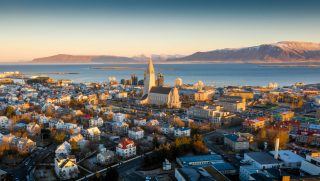
Skaftafell, Reykjavik
National Park near Reykjavik
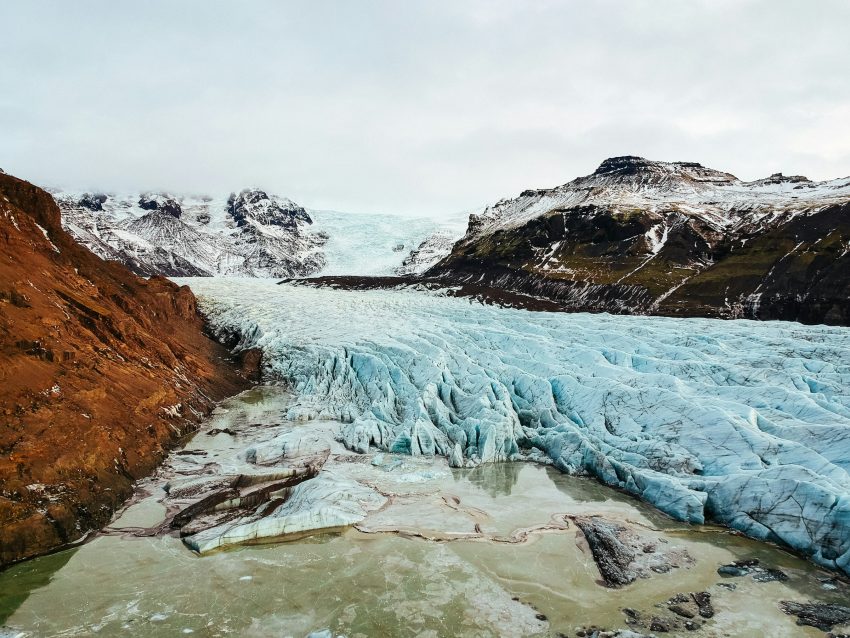
Skaftafell is the South Coast's “choose-your-own-adventure” nature stop: a concentrated landscape of glacier views, woodland trails, lava-shaped ridges, and standout waterfalls, all accessed from one well-organised base area within Vatnajökull National Park. You can keep it simple with a short hike to Svartifoss or the Skaftafellsjökull viewpoint, or build a longer day that climbs to high lookouts and broader mountain scenery.
It also functions well as a walking-tour style anchor on a Ring Road itinerary: arrive, park once, pick a marked trail loop, and let the path guide you between viewpoints and natural landmarks. If you're aiming for the “best place to visit” in this part of southeast Iceland for a half-day of hiking without complex logistics, Skaftafell is usually the most efficient choice.
Table of Contents
- History and Significance of the Skaftafell
- Things to See and Do in the Skaftafell
- How to Get to the Skaftafell
- Practical Tips on Visiting the Skaftafell
- Where to Stay Close to the Skaftafell
- Is the Skaftafell Worth Visiting?
- For Different Travelers
- FAQs for Visiting Skaftafell
- Nearby Attractions to the Skaftafell
History and Significance of the Skaftafell
Skaftafell’s modern identity is tied to conservation and access: the area was formally established as a national park in 1967 and has been part of Vatnajökull National Park since 2008. This protected status helped preserve a rare mix of Icelandic environments in one place-glacier-fed rivers, forested slopes, and trails that range from easy to genuinely demanding.
The landscape is also a living lesson in how glaciers and water shape Iceland. Outlet glaciers and rivers have carved and rearranged the terrain over centuries, and the region is closely linked to the powerful interactions between ice, meltwater, and volcanic systems that define Vatnajökull’s wider environment.
Historically, Skaftafell began as a working farm and assembly site, later passing through church and Danish crown ownership. As conditions changed, local settlement shifted uphill in the 19th century, and by the 20th century the area's future was increasingly framed around protection and visitation rather than agriculture.
Things to See and Do in the Skaftafell
Most visitors start with the two classics: Svartifoss waterfall, known for its basalt-column setting, and the Skaftafellsjökull trail, which gives a close-up sense of how glacier tongues sit in the landscape. These shorter routes are ideal if you want a big nature hit without committing to a full-day trek.
If you have more time (and stable weather), add a viewpoint hike such as Sjónarnípa for a broader “glacier-country” panorama. Skaftafell is particularly good at offering step-up options: you can begin with an easy trail, assess conditions, then decide whether to extend into a longer loop or a higher climb.
To deepen the visit, use the visitor area as your planning hub before you walk. The park’s on-site information and marked routes make it straightforward to choose a trail that fits your time, fitness, and the day’s weather-important here, because conditions can shift quickly outside the summer peak.
How to Get to the Skaftafell
Most international arrivals fly into Keflavík International Airport (KEF) near Reykjavík, then continue toward Skaftafell as part of a South Coast or Ring Road route. For the best deals and a seamless booking experience, check out these flights to Reykjavik on Booking.com.
Skaftafell sits just off Iceland's Route 1 (the Ring Road), between Kirkjubæjarklaustur to the west and Höfn to the east, which makes it straightforward to reach as a planned stop while driving the south and southeast coast.
If you are not driving, Skaftafell is commonly visited via guided day tours or scheduled long-distance bus services that follow the South Coast corridor in season; the practical approach is to base nearby overnight so you can start early and keep your plans flexible around weather.
Practical Tips on Visiting the Skaftafell
- Entrance fee: Free; regional parking fee from ISK 1,040 per day (passenger car, 5 or fewer seats), valid until midnight.
- Opening hours: 1 January – 28 February; 1 December – 31 December: Daily 10:00-17:00. 1 March – 31 May; 1 November – 30 November: Daily 09:00-17:00. 1 June – 31 August: Daily 09:00-19:00. 1 September – 31 October: Daily 09:00-18:00.
- Official website: https://www.vatnajokulsthjodgardur.is/en/areas/skaftafell
- Best time to visit: Summer offers the easiest trail conditions and the widest choice of routes, but shoulder seasons can be quieter if you plan around weather. Arrive early to enjoy the most popular trails before the busiest tour windows.
- How long to spend: Plan 3-6 hours for a satisfying visit with one longer hike or two shorter ones. If you want multiple viewpoints and a slower pace, Skaftafell can comfortably fill a full day.
- Accessibility: Some visitor-area facilities are easy to reach, but most signature walks involve uneven surfaces, inclines, and steps. In icy conditions, traction and careful route choice matter more than distance.
- Facilities: Key services are concentrated at the visitor/parking area, so treat hikes as out-and-back or loop walks from that base. Bring water, a windproof layer, and snacks if you’re heading beyond the shortest trails.
Where to Stay Close to the Skaftafell
For a culture-heavy itinerary, it often makes sense to stay further west where you can mix towns, museums, and dining variety, but for a nature-first trip built around early hikes, glacier lagoons, and flexible weather windows, staying in the Skaftafell/Öræfi area is the most practical base.
For a close, no-fuss option that keeps you near trailheads, consider Hotel Skaftafell. If you want a higher-comfort stay positioned well for both Skaftafell and the glacier lagoons, Fosshotel Glacier Lagoon is a strong choice. (For a quieter rural base near the Hof area (handy if you’re continuing east), Adventure Hotel Hof works well.
Is the Skaftafell Worth Visiting?
Yes-Skaftafell is one of the most consistently rewarding stops on the South Coast because it offers multiple “headline” hikes from a single base, with scenery that feels distinctly glacier-country rather than generic countryside. The honest pivot: if you dislike hiking, have very limited time, or are dealing with poor visibility and hazardous trail conditions, you may get a better return from nearby roadside viewpoints and glacier lagoons where the experience is more immediate and less weather-dependent.
What Other Travellers Say...

Reviewers describe this as an impressive starting point for excursions to Europe’s largest glacier, with guided trips and equipment available, plus an easy, flat self-guided trail to the glacier’s foot offering outstanding views. The surrounding area is also noted for nearby waterfalls, including a larger, more scenic one a short distance away. On the downside, the facilities are described as simple and limited, mainly consisting of a hotel and a gas station with a small supermarket.


For Different Travelers
Families with Kids
Skaftafell works best for families when you pick one clear objective trail and keep the day simple-one main hike plus plenty of breaks. Choose a route with a strong payoff (like a waterfall or glacier viewpoint), and plan snacks and layers so the uphill sections do not become a morale battle.
Couples & Romantic Getaways
For couples, Skaftafell is ideal for a shared half-day “mini-expedition” that still leaves room for a relaxed afternoon elsewhere. Start early for a quieter trail, take your time at viewpoints, then pivot to a warm café-style stop or a scenic drive segment to round out the day.
Budget Travelers
This is a high-value destination because the main experience is hiking and scenery rather than paid admission. Pack food, reuse the same base parking payment strategically across your stops, and choose one longer trail instead of multiple short ones to maximise the day’s payoff.
FAQs for Visiting Skaftafell
Getting There
Tickets & Entry
Visiting Experience
Tours, Context & Itineraries
Photography
Accessibility & Facilities
Nearby Attractions to the Skaftafell
- Svartifoss: A short hike to a basalt-framed waterfall that is one of the area's signature natural landmarks.
- Skaftafellsjökull: A glacier-tongue viewpoint trail that gives a close look at ice, moraines, and meltwater landscapes.
- Sjónarnípa Viewpoint: A higher hike option known for wider panoramas when visibility is good.
- Jökulsárlón Glacier Lagoon: Iceland's most famous iceberg lagoon, an easy add-on when you're already in the region.
- Fjallsárlón Glacier Lagoon: A quieter lagoon alternative that often feels less crowded while still delivering serious glacier scenery.
The Skaftafell appears in our Complete Guide to Visiting Reykjavik!

Moira & Andy
Hey! We're Moira & Andy. From hiking the Camino to trips around Europe in Bert our campervan — we've been traveling together since retirement in 2020!
This website uses affiliate links which may earn a commission at no additional cost to you!
Planning Your Visit
1 January - 28 February; 1 December - 31 December: Daily 10:00-17:00.
1 March - 31 May; 1 November - 30 November: Daily 09:00-17:00.
1 June - 31 August: Daily 09:00-19:00.
1 September - 31 October: Daily 09:00-18:00.
Free; regional parking fee from ISK 1,040 per day (passenger car, 5 or fewer seats), valid until midnight.
Nearby Attractions
- Svartifoss Waterfall (6.7) km
Waterfalls - Fjallsárlón Glacier Lagoon (27.8) km
Lake - Jökulsárlón Glacier Lagoon (36.1) km
Lake - Diamond Beach (38.1) km
Beach - Reynisfjara Beach (124.0) km
Beach and Natural Phenomenon - Gullfoss Waterfall (157.3) km
Waterfalls - Geysir Geothermal Area (165.6) km
Natural Phenomenon - Thingvellir National Park (202.0) km
National Park - Silfra Fissure (203.7) km
Natural Phenomenon - Árbær Open Air Museum (236.6) km
Historic Building, Historic Site and Museum