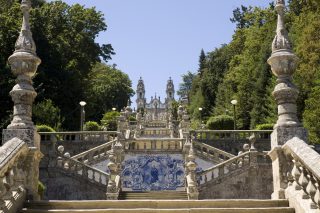
Lamego Cathedral
Cathedral in Lamego
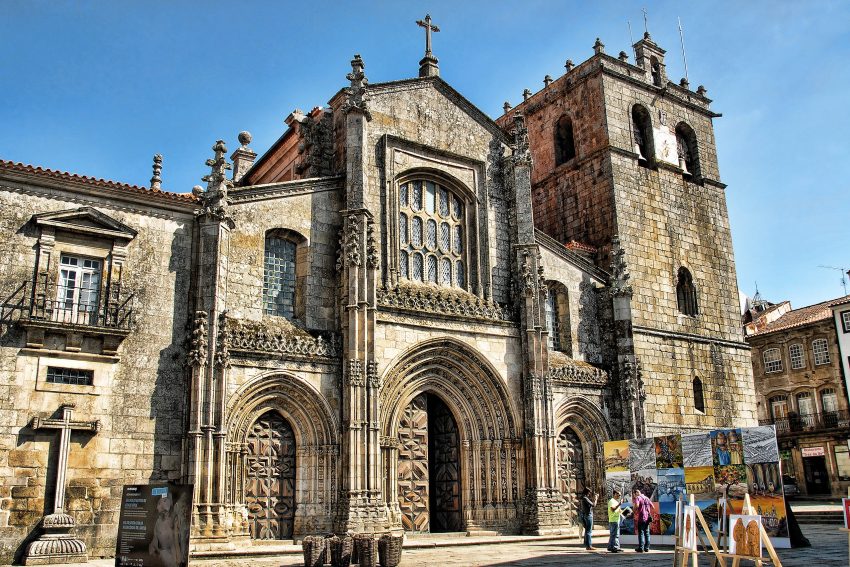
Sé de Lamego is one of the top attractions in Lamego, a cathedral whose layered architecture reflects nearly nine centuries of local faith and craftsmanship. The imposing façade, the mix of Romanesque foundations and Manueline ornamentation, and the baroque flourishes inside create a building that rewards every careful look. For travelers exploring the Douro Valley, visiting the cathedral feels like stepping through the very timeline of Portuguese ecclesiastical history.
Thanks to its central location, the cathedral is often visited on walking tours of Lamego, especially by those eager to explore the surrounding historic quarter and the adjacent episcopal palace that now houses Museu de Lamego. Its majestic tower, sculpted portals, cloister, and grand chancel make it one of the most memorable sacred spaces in the region.
History and Significance of Sé de Lamego
The roots of the Lamego bishopric stretch back to 572, when Bishop Sardinário is first mentioned. Although interrupted by centuries of instability following the Arab invasion, the episcopal seat was reestablished in the 12th century. Construction of the present cathedral began in 1159 on the site of an earlier chapel dedicated to San Sebastian, and the building was consecrated in 1175.
The cathedral's earliest surviving architectural element is the monumental Romanesque tower on the south side of the façade. This tower offers a rare glimpse into the structure's 12th-century origins, contrasting with the many later additions that followed. Throughout the Late Middle Ages, Sé de Lamego became richer in chapels and burial spaces, including the tomb of its founding bishop housed in the Chapel of St. Nicholas.
A major transformation occurred in the early 15th century, when Sé de Lamego acquired its magnificent triple portico frontispiece-widely considered the most impressive Manueline structure in the region. The Modern Age brought further changes, including the construction of a Mannerist cloister and a new Baroque main chapel with a deep altar, decorative galleries, and twin organs. The Baroque transept, built soon afterward, further enhances the cathedral's grandeur. To the north, the former Bishops' Palace-now the home of Museu de Lamego-completes this remarkable historical ensemble.
Things to See and Do in Sé de Lamego
Inside Sé de Lamego, visitors can admire the harmonious blending of architectural styles. Begin by taking in the striking Manueline triple portal, whose sculpted stonework is among the finest in northern Portugal. The Romanesque tower provides an architectural anchor to the structure's earliest days, and its robust appearance contrasts beautifully with the later embellishments.
Inside the cathedral, the Baroque main chapel stands out with its deep altarpiece, rich decorative elements, and two imposing organs. The Baroque transept adds further theatricality, with its sweeping lines and sculptural details. As you explore, keep an eye out for the medieval funerary chapels created for members of the episcopate, including the tomb of the founding bishop in the Chapel of St. Nicholas. This spot is one of the best places to see in Sé de Lamego if you enjoy exploring layers of artistic evolution.
Be sure to visit the adjacent Museu de Lamego, housed in the former Bishops' Palace. It preserves some of the cathedral's most important artistic treasures, including the remaining panels of the monumental altarpiece painted by Grão Vasco in the 16th century. These masterpieces offer a stunning example of Portuguese Renaissance art and deepen the cultural experience of visiting the cathedral.
How to Get to Sé de Lamego
Sé de Lamego is located in the center of Lamego and is easily accessible for visitors exploring the Douro region. The nearest major airport is Porto Airport, with connections to destinations throughout Europe and beyond. For the best deals and a seamless booking experience, check out these flights to Lamego on Booking.com.
The closest railway station is in Régua, a short bus or taxi ride away from Lamego and the cathedral. Train schedules and bookings can be found on Omio.
Traveling by car offers the greatest flexibility, especially for those planning to explore nearby vineyards and hills. Roads are well maintained, and parking is available around the city center. If you are looking to rent a car in Portugal I recommend having a look at Discover Cars, first, as they compare prices and review multiple car rental agencies for you.
Practical Tips on Visiting Sé de Lamego
- Suggested tips: Arrive early to enjoy the cathedral in quieter conditions and take time to study the details of the Manueline portal.
- Best time to visit: Spring and autumn for mild weather and fewer crowds.
- Entrance fee: Free
- Opening hours: Usually open daily; hours may vary slightly depending on services.
- Official website: Not available
- How long to spend: 45 minutes to 1 hour, more if you visit the museum as well.
- Accessibility: Most areas are accessible, though some chapels and older sections may include steps.
- Facilities: Basic facilities nearby, including cafés and shops around the cathedral square.
- Photography tip: Late afternoon light enhances the façade’s Manueline details.
- Guided tours: Available through local guides, often combined with a visit to Museu de Lamego.
- Nearby food options: Traditional restaurants and cafés in the historic center.
Where to Stay close to Sé de Lamego
Staying near the cathedral places you within the historic heart of the city. A stylish choice is Muralha Charm House, offering boutique accommodation within walking distance of the cathedral. For comfort and amenities with views of the Douro hills, consider Lamego Hotel & Life. Travelers looking for a serene countryside retreat may prefer Quinta da Portela.
Is Sé de Lamego Worth Visiting?
Yes, Sé de Lamego is absolutely worth visiting. Its blend of Romanesque, Manueline, and Baroque elements not only makes it architecturally impressive but also historically fascinating. Whether you're a fan of medieval art, religious architecture, or the history of the Douro Valley, the cathedral offers a rich and rewarding experience.
What Other Travellers Say...

Lamego Cathedral (Sé de Lamego), set at Largo da Sé, invites visitors to admire its soaring vaulted ceiling and colorful frescoes and to explore a pleasant courtyard to the left; the site includes a tower, museum and balcony that may have small admission fees while the lower part is free, and reviewers note a long stair approach (reported as 865 steps) with cafés and restrooms at the top, limited parking, disabled access at ground level, and some areas in need of restoration such as deteriorating tiles.


FAQs for Visiting Sé de Lamego
Nearby Attractions to Sé de Lamego
- Museu de Lamego: Located next door, showcasing Renaissance art and historical collections.
- Sanctuary of Nossa Senhora dos Remédios: A hilltop sanctuary offering sweeping views over Lamego.
- Castle of Lamego: A medieval fortress with panoramic views of the city.
- Douro Valley vineyards: Renowned estates offering tastings and scenic tours.
- Régua Riverfront: A pleasant riverside area ideal for walks and boat trips.
The Lamego Cathedral appears in our Complete Guide to Visiting Lamego!

Moira & Andy
Hey! We're Moira & Andy. From hiking the Camino to trips around Europe in Bert our campervan — we've been traveling together since retirement in 2020!
This website uses affiliate links which may earn a commission at no additional cost to you!
Planning Your Visit
9am-1pm & 3-6.30pm
Nearby Attractions
- Museu de Lamego (0.1) km
Museum - Castelo de Lamego (0.3) km
Castle - Santuário de Nossa Senhora dos Remédios (1.0) km
Church - Capela de São Pedro de Balsemão (2.3) km
Church - Museu do Douro (7.3) km
Museum - Mosteiro de Santa Maria de Salzedas (8.3) km
Monastery - Casa de Mateus (23.6) km
Palace - Castelo de Numão (43.2) km
Castle - Monte da Penha (53.6) km
Religious Building and Viewing Point - Centro Cultural Vila Flor (55.6) km
Gardens and Historic Building