Sant'Agostino, Siena
Church, Historic Site and Religious Building in Siena
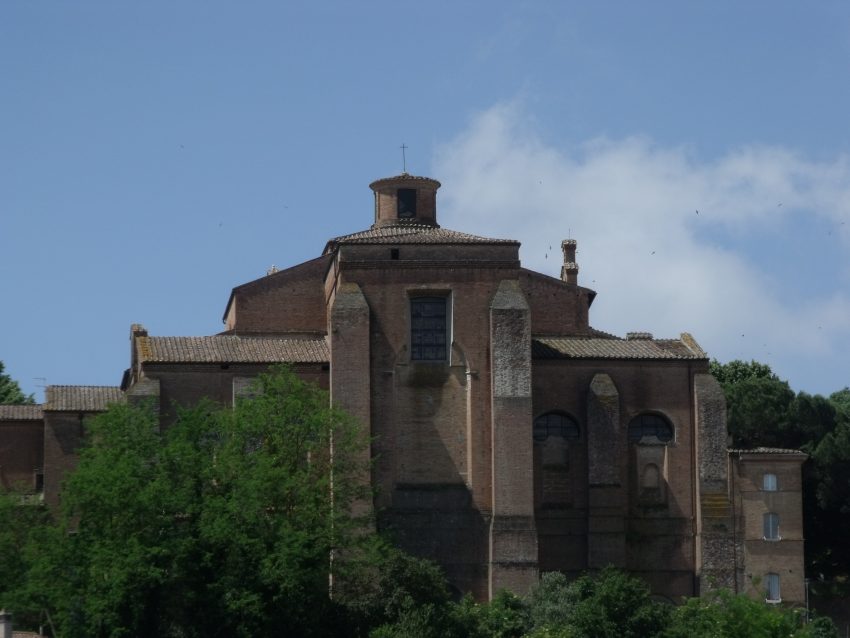
Sant'Agostino in Siena is a historic church complex on the gentle rise of Prato Sant'Agostino, just outside the tightest knot of lanes around Piazza del Campo. It's the kind of place you can miss if you're only chasing the headline sights, but it rewards anyone who likes stepping into a quieter, lived-in corner of the city.
It fits perfectly into a self-guided walking tour: pair it with a stroll through Siena's contrade streets, then continue toward the Duomo area or loop back to the Campo for sunset. Inside, the atmosphere is more contemplative than showy, and the artworks are best appreciated slowly, away from the busiest tourist flow.
Table of Contents
- History and Significance of the Sant’Agostino
- Things to See and Do in the Sant’Agostino
- How to Get to the Sant’Agostino
- Practical Tips on Visiting the Sant’Agostino
- Where to Stay Close to the Sant’Agostino
- Is the Sant’Agostino Worth Visiting?
- For Different Travelers
- FAQs for Visiting Sant’Agostino
- Nearby Attractions to the Sant’Agostino
History and Significance of the Sant’Agostino
Sant'Agostino was founded by the Augustinians in the medieval period, when Siena was expanding and religious orders were shaping the city's neighborhoods with churches, convents, and charitable institutions. The site's long building history reflects Siena's changing fortunes, with later additions and renovations layered over the original Gothic-era footprint.
A major turning point came after a destructive fire in the 18th century, when the interior was reworked in a more classical style. That blend of medieval origins and later redesign is part of the appeal: you’re not just seeing a single “frozen” era, but a building that adapted over centuries.
Culturally, the church matters because it preserves significant Sienese and Tuscan artworks in a setting that still feels like a functioning sacred space rather than a museum. For travelers, it’s a strong example of how Siena’s artistic heritage extends well beyond the cathedral complex.
Things to See and Do in the Sant’Agostino
Start by taking in the overall interior: the light, the side chapels, and the sense of scale that feels surprisingly spacious compared with Siena’s narrow streets outside. The church is often quiet, so it’s an excellent place to pause, sit for a few minutes, and reset your pace mid-day.
The highlight for many visitors is the Piccolomini Chapel, where major works and memorial sculpture create a concentrated “gallery-like” moment within the church. If you enjoy Siena’s painting tradition, this is where you’ll want to slow down and look carefully at color, composition, and the way the chapel frames the art.
If you're doing a themed walking tour, Sant'Agostino works well on an “art in churches” itinerary alongside Santa Maria in Provenzano, San Domenico, and San Francesco. It's also a good rainy-day stop because you can get a meaningful visit without needing a long time commitment.
How to Get to the Sant’Agostino
The nearest major airports are Florence Airport (Amerigo Vespucci) and Pisa International Airport (Galileo Galilei), with Rome Fiumicino also possible if you're building a longer Italy itinerary. For the best deals and a seamless booking experience, check out these flights to Siena on Booking.com.
From elsewhere in Italy, Siena is straightforward by train via connections (often through Empoli or Florence), arriving at Siena railway station and then continuing up to the historic center by local bus, taxi, or a brisk uphill walk. Use Omnio to easily compare schedules, book train tickets, and find the best prices all in one place for a hassle-free journey across Italy..
If you’re driving, aim for Siena’s parking areas outside the ZTL (limited traffic zone) and continue on foot or by bus into the center. If you are looking to rent a car in Italy I recommend having a look at Discover Cars, first, as they compare prices and review multiple car rental agencies for you.
Practical Tips on Visiting the Sant’Agostino
- Entrance fee: Free; donations appreciated.
- Opening hours: Check official website.
- Best time to visit: Late morning or mid-afternoon tends to be calm, especially if you time it between group-tour waves. If you’re visiting in peak season, go earlier in the day for the quietest interior.
- How long to spend: Plan 20–40 minutes for a satisfying visit, longer if you like to study artworks and chapels in detail. It's an easy add-on to a walking tour without derailing your day.
- Accessibility: The surrounding streets include slopes and uneven paving typical of Siena, so allow extra time if you use mobility aids. Inside, access can vary by doorway and any temporary arrangements for services.
- Facilities: Expect limited on-site facilities as this is a church rather than a museum; plan for restrooms and longer breaks at nearby cafés in the center. Dress respectfully, and keep voices low if others are praying.
Where to Stay Close to the Sant’Agostino
Base yourself in Siena's historic center for the easiest walking access to Sant'Agostino and the city's main sights.
For a classic, high-comfort stay with a strong sense of place, choose a well-located historic-center hotel so you can step out early and enjoy quieter streets. For views and a slightly more resort-like feel, consider properties near the city walls where you can still walk in but also get a bit more space.
Grand Hotel Continental Siena – Starhotels Collezione Chosen for its refined historic-center setting and an upscale, old-world Siena atmosphere that suits a special trip.
Hotel Athena Included for its convenient access to the center and a reputation for comfort, plus a location that makes walking itineraries easy.
NH Siena A practical pick near the edge of the historic center, helpful if you’re arriving by bus or taxi and want straightforward logistics.
Hotel Minerva Selected for value and convenience, especially for travelers who want a reliable base and easy routes into the old town.
Palazzo Ravizza A charming option with a more intimate feel, great if you want a quieter stay while remaining walkable to major sights.
Is the Sant’Agostino Worth Visiting?
Yes, especially if you enjoy art in active churches and want a more relaxed alternative to Siena's busiest interiors. It's not a “must” in the checklist sense, but it is a high-quality stop that adds depth to a Siena visit and makes a walking tour feel more personal.
Honest Pivot: if your time is extremely limited and you're focused only on Siena's headline attractions (the Duomo complex, Piazza del Campo, and one major museum), you can skip Sant'Agostino without feeling like you missed the core story. It's best for travelers who like quieter spaces, secondary masterpieces, and the texture of neighborhoods beyond the main tourist flow.
For Different Travelers
Sant'Agostino is flexible: it can be a quick pop-in between bigger sights or a slower, more reflective visit. Because it's typically calmer than Siena's top-ticket locations, it often feels like a “breathing space” in a packed itinerary.
It also works well as a context stop on a walking tour, helping you connect Siena's art to the city's everyday religious and neighborhood life.
Families with Kids
For families, the biggest advantage is the calmer environment: you can step inside, cool down, and reset without long queues. Keep the visit short and turn it into a simple “spot the details” game in chapels and artworks.
If your kids are very young, plan to visit at a quieter time and be ready to leave quickly if a service begins. Pair it with a gelato stop afterward to keep momentum positive.
Couples & Romantic Getaways
Couples will appreciate the hushed, atmospheric interior and the feeling of discovering something slightly off the main tourist track. It's a good place to slow down together, especially if you're doing Siena on foot and want a reflective pause.
For a romantic flow, visit Sant'Agostino, then wander back through the lanes toward Piazza del Campo for late-afternoon light and aperitivo.
Budget Travelers
Budget travelers will like that churches like Sant'Agostino can add real cultural value without the cost of a major ticket. It's a smart way to build an art-focused day in Siena while keeping spending under control.
Use it as part of a walking itinerary that also includes free viewpoints and neighborhood wandering, then choose one paid “anchor” attraction if your budget allows.
History Buffs
History buffs will enjoy the building’s layered timeline, from medieval foundations to later redesign after major damage. It’s a tangible example of how Siena’s institutions evolved over centuries.
To deepen the visit, connect what you see here with Siena’s broader story: religious orders, patron families, and the city’s artistic production beyond the cathedral.
FAQs for Visiting Sant’Agostino
Getting There
Tickets & Entry
Visiting Experience
Tours, Context & Itineraries
Photography
Accessibility & Facilities
Food & Breaks Nearby
Safety & Timing
Nearby Attractions to the Sant’Agostino
- Siena Cathedral (Duomo di Siena): A masterpiece of Gothic architecture with extraordinary interior decoration and museum spaces.
- Piazza del Campo: Siena's iconic shell-shaped square, perfect for people-watching and understanding the city's civic heart.
- Basilica of San Domenico: A powerful, austere church closely linked to Saint Catherine of Siena.
- Santa Maria della Scala: A vast former hospital complex turned museum with layered history and exhibitions.
- Pinacoteca Nazionale di Siena: The best place to dive deep into Sienese painting across the centuries.
The Sant'Agostino appears in our Complete Guide to Visiting Siena!

Moira & Andy
Hey! We're Moira & Andy. From hiking the Camino to trips around Europe in Bert our campervan — we've been traveling together since retirement in 2020!
This website uses affiliate links which may earn a commission at no additional cost to you!
Planning Your Visit
Check official website.
Free; donations appreciated.
Nearby Attractions
- Museo di Storia Naturale (0.0) km
Archive, Attraction and Museum - Orto Botanico dell'Università (0.0) km
Attraction and Gardens - Pinacoteca Nazionale (0.1) km
Attraction, Gallery and Museum - Via di Città (0.3) km
Area, Street and Walk - Palazzo Chigi Saracini (0.3) km
Arts Venue, Historic Building and Palace - Santa Maria of Scala Hospital Museum (0.4) km
Historic Building, Historic Site and Museum - Piazza del Mercato (0.4) km
Attraction, Market and Square - Museo dell'Opera del Duomo & Facciatone (0.4) km
Museum, Tower and Viewing Point - Duomo di Siena (0.4) km
Cathedral, Church and Religious Building - Biblioteca Piccolomini (0.4) km
Cathedral, Historic Room and Library