Sant Pere de Galligants, Girona
Historic Building, Monastery and Museum in Girona
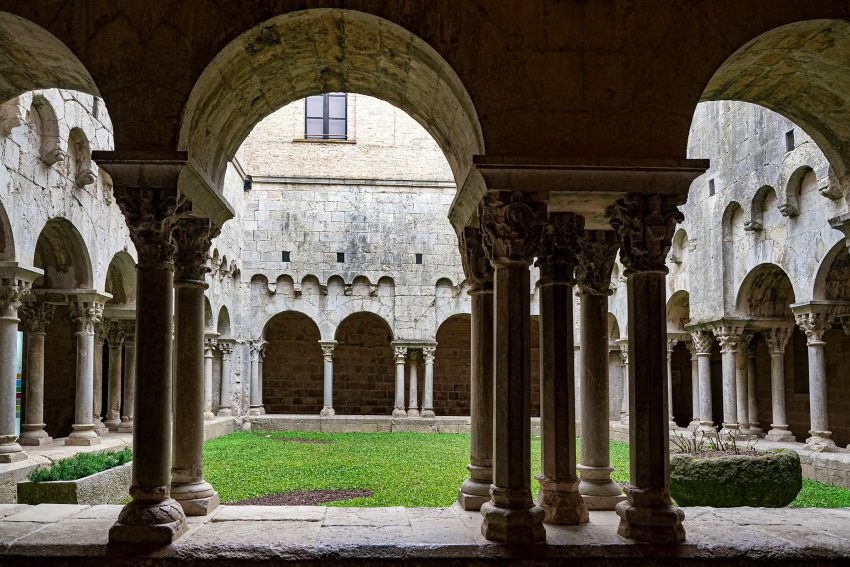
Sant Pere de Galligants is a beautifully preserved Romanesque monastery in Girona, Spain, best known today as the home of the Archaeology Museum of Catalonia (Girona). Tucked into the historic core near the old city's stone lanes, it's the kind of place that feels instantly calm: thick walls, cool interiors, and a cloister that rewards slow looking.
It's an easy add-on to a Girona walking tour, especially if you're already exploring the Old Town and want a quieter, more contemplative stop between bigger sights. For the best experience, aim to see the cloister up close and then step outside to admire the distinctive octagonal bell tower from the surrounding streets.
Table of Contents
- History and Significance of the Sant Pere de Galligants
- Things to See and Do in the Sant Pere de Galligants
- How to Get to the Sant Pere de Galligants
- Practical Tips on Visiting the Sant Pere de Galligants
- Where to Stay Close to the Sant Pere de Galligants
- Is the Sant Pere de Galligants Worth Visiting?
- For Different Travelers
- FAQs for Visiting Sant Pere de Galligants
- Nearby Attractions to the Sant Pere de Galligants
History and Significance of the Sant Pere de Galligants
Sant Pere de Galligants dates to the Romanesque period and is closely associated with medieval monastic life in Girona. While the site's story stretches across centuries, what visitors feel most today is the architectural confidence of the 12th-century complex: solid proportions, carved stone details, and a layout designed around the rhythm of cloistered life.
Over time, the monastery’s role shifted, and the building eventually became a cultural venue rather than an active church. Today it functions as a museum setting, which means you can experience the monastery’s spaces as you move through exhibits, rather than viewing it only from the outside.
Its significance for travelers is twofold: it's a key Romanesque monument in Girona, and it's also one of the most atmospheric places in the city to understand how architecture, religion, and daily life intertwined in medieval Catalonia.
Things to See and Do in the Sant Pere de Galligants
The star attraction is the cloister. Even if you’re only mildly interested in museum displays, the cloister’s arcades and carved capitals make the visit worthwhile, and it’s an ideal spot to slow down after the busier streets of the Old Town.
Inside, the museum context adds another layer: archaeological materials and interpretive displays help connect Girona and its region to broader timelines, from prehistory through the medieval era. Many visitors come primarily for the building itself, treating the exhibits as a bonus rather than the main event.
Don't miss the exterior views of the Lombard-style octagonal bell tower. It's one of the most recognizable silhouettes in this part of Girona, and it photographs beautifully in soft morning light or late afternoon when the stone warms in color.
How to Get to the Sant Pere de Galligants
The nearest major airports are Barcelona El Prat (BCN) and Girona–Costa Brava Airport (GRO). For the best deals and a seamless booking experience, check out these flights to Girona on Booking.com.
From Barcelona, Girona is straightforward by train to Girona station, then you can walk, take a local bus, or grab a short taxi ride into the Old Town. Train schedules and bookings can be found on Omio.
If you're traveling by car, Girona is well connected by major highways, but parking is easier outside the tight historic center—plan to park in a garage and walk the last stretch. If you are looking to rent a car in Spain I recommend having a look at Discover Cars, first, as they compare prices and review multiple car rental agencies for you.
Practical Tips on Visiting the Sant Pere de Galligants
- Official website: https://www.macgirona.cat/
- Entrance fee: Adults: €6; Reduced: €4; Under 8: free.
- Opening hours: (Summer) May 1 – September 30; Tuesday – Saturday: 10:00–19:00. Sunday: 10:00–14:00. Closed on Monday. (Winter) October 1 – April 30; Tuesday – Saturday: 10:00–18:00. Sunday: 10:00–14:00. Closed on Monday.
- Best time to visit: Go early for a quieter cloister and softer light on the stonework, or visit mid-afternoon to pair it with nearby Old Town viewpoints.
- How long to spend: Plan 45–90 minutes if you want to enjoy the cloister and browse exhibits at an unhurried pace.
- Accessibility: Expect uneven historic surfaces and steps in parts of the complex; if you need step-free access, confirm current routes with staff before you go.
- Facilities: You’ll typically find museum-style basics such as restrooms and a small shop area; the surrounding Old Town has plenty of cafés for breaks before or after.
Where to Stay Close to the Sant Pere de Galligants
Base yourself in Girona's Barri Vell (Old Town) for the most walkable, atmospheric stay near the city's historic sights.
Hotel Museu Llegendes de Girona A boutique option right in the historic core, ideal if you want to step out into medieval lanes and reach Sant Pere de Galligants on foot in minutes.
Hotel Nord 1901 A comfortable, well-located stay that balances Old Town access with an easy walk to shops and restaurants, great for travelers who want convenience without sacrificing charm.
Hotel Historic A small, character-rich choice that leans into the Old Town vibe—perfect if you want a stay that feels like part of the historic fabric.
Hotel Carlemany Girona A practical pick near the train station area for travelers arriving by rail who still want quick access to the Old Town by foot or taxi.
DoubleTree by Hilton Hotel Girona A modern, reliable option with familiar comforts, useful if you prefer contemporary rooms and easy logistics while sightseeing in Girona.
Is the Sant Pere de Galligants Worth Visiting?
Yes—especially if you appreciate Romanesque architecture or you’re looking for a calm, beautiful interior space in Girona’s Old Town. The cloister and the overall atmosphere deliver a strong sense of place, and the museum setting makes it easy to turn a quick look into a more meaningful visit.
Honest Pivot: If you're short on time and mainly want “big hits,” you might prioritize Girona Cathedral, the city walls, and the riverfront first, then come here only if you have extra time. Also, if you're expecting a large, blockbuster-style collection, the exhibits may feel modest compared with the building itself.
What Other Travellers Say...

Reviews are very positive overall, with visitors highlighting the 12th-century Romanesque monastery setting, the well-preserved cloister, and the distinctive octagonal bell tower. Several people note that the building itself is the main reason to go, while the archaeology displays can feel modest if you’re expecting standout artifacts. A small minority mention the collection isn’t especially striking, but still recommend visiting for the architecture and atmosphere.


For Different Travelers
Sant Pere de Galligants fits neatly into many Girona itineraries because it's compact, central, and visually memorable. The experience can be tailored: some visitors come for a quick architectural stop, while others linger to absorb the museum context.
Families with Kids
Kids who enjoy exploring stone corridors and courtyards often respond well to the “monastery feel,” especially the cloister’s repeating arches and carvings. It’s a manageable size, which helps keep the visit from becoming tiring.
To keep it engaging, treat it like a short discovery mission: spot carved details, compare column styles, and then reward everyone with a snack break nearby in the Old Town.
Couples & Romantic Getaways
For couples, the appeal is the quiet beauty: the cloister is one of Girona’s most serene spaces, and it’s easy to pair with a slow walk through Barri Vell afterward. The stone textures and soft light make it feel intimate without being overly “touristy.”
Plan it as a gentle interlude between bigger sights, then continue to a viewpoint or a riverside stroll for a well-paced, romantic half-day.
Budget Travelers
This is a strong value stop if you want a meaningful historic interior without committing to a full day of paid attractions. Even a short visit can feel substantial because the architecture does so much of the work.
Budget tip: build a walking loop that includes free highlights nearby (old streets, viewpoints, and exterior monuments), then use Sant Pere de Galligants as your one paid “anchor” visit.
History Buffs
History lovers will appreciate how the building itself is a primary artifact: Romanesque design choices, monastic layout, and sculpted stone details all tell a story. The museum context helps connect the site to Girona’s wider archaeological timeline.
To deepen the visit, go slowly through the architectural transitions between spaces and use the exhibits to place the monastery within the region’s long arc from prehistory to medieval life.
FAQs for Visiting Sant Pere de Galligants
Getting There
Tickets & Entry
Visiting Experience
Tours, Context & Itineraries
Photography
Accessibility & Facilities
Food & Breaks Nearby
Safety & Timing
Nearby Attractions to the Sant Pere de Galligants
- Girona Cathedral: A monumental landmark with a dramatic staircase and one of the city's most iconic façades.
- The Jewish Quarter (El Call): A maze of atmospheric medieval lanes that's ideal for slow wandering and photography.
- Girona City Walls (Passeig de la Muralla): A scenic walk with viewpoints over rooftops and surrounding hills.
- Sant Feliu Church: A historic church with a striking presence and a great stop while exploring the Old Town.
- Onyar River Houses & Bridges: Colorful riverside views and classic Girona photo spots, especially around the main bridges.
The Sant Pere de Galligants appears in our Complete Guide to Visiting Girona!

Moira & Andy
Hey! We're Moira & Andy. From hiking the Camino to trips around Europe in Bert our campervan — we've been traveling together since retirement in 2020!
This website uses affiliate links which may earn a commission at no additional cost to you!
Planning Your Visit
(Summer) May 1 - September 30; Tuesday - Saturday: 10:00-19:00. Sunday: 10:00-14:00. Closed on Monday.
(Winter) October 1 - April 30; Tuesday - Saturday: 10:00-18:00. Sunday: 10:00-14:00. Closed on Monday.
Adults: €6; Reduced: €4; Under 8: free.
Nearby Attractions
- Sant Pere de Galligants (0.0) km
Historic Building, Monastery and Museum - Archaeology Museum of Catalonia (0.0) km
Historic Building, Monastery and Museum - Capella de Sant Nicolau (0.0) km
Arts Venue, Gallery and Historic Building - Arab Baths (0.1) km
Baths, Historic Building and Historic Site - Jardins de la Francesa (0.1) km
Gardens - Girona Cathedral (0.1) km
Cathedral and Historic Building - Passeig arqueològic (0.1) km
City Walls, Promenade and Walk - Basílica de Sant Feliu (0.2) km
Basilica, Church and Religious Building - Casa Pastors (0.2) km
Arts Venue, Gallery and Historic Building - Museu d'Art de Girona (0.2) km
Arts Venue, Gallery and Museum