Rector's Palace, Dubrovnik
Historic Building, Museum and Palace in Dubrovnik
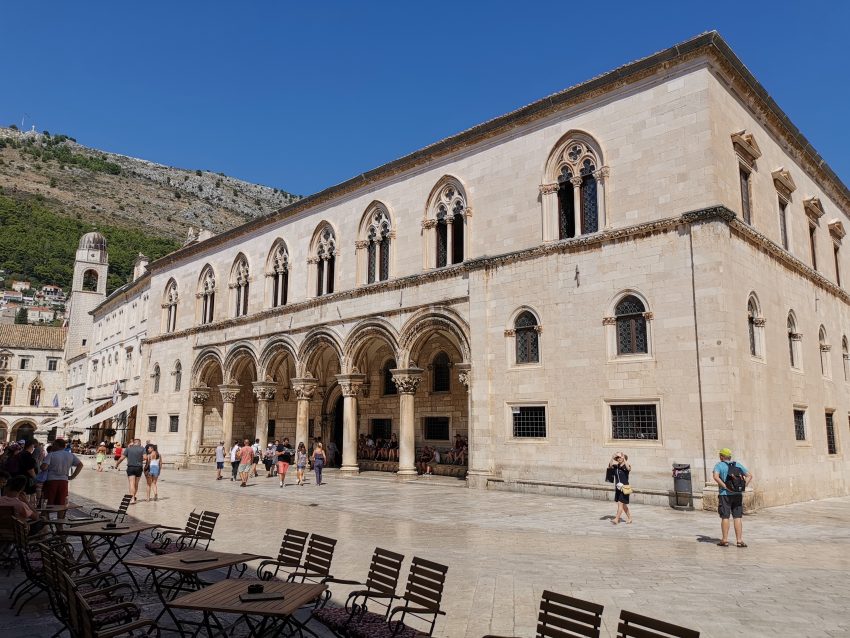
Rector's Palace (Knežev dvor) sits in the heart of Dubrovnik's Old Town, just off the main pedestrian lanes and close to the Cathedral and Stradun. Once the political and ceremonial center of the Republic of Ragusa, it's now a museum where you can move through elegant halls, a stone courtyard, and rooms that bring Dubrovnik's civic history to life.
It's an easy add-on to a walking tour of the Old Town: many guides pause here to explain the city's former government, trade power, and the dramatic events that shaped Dubrovnik. Even if you're exploring independently, the palace is one of the best places to see a concentrated mix of architecture, atmosphere, and curated history in a short, rewarding visit.
Table of Contents
- History and Significance of the Rector’s Palace
- Things to See and Do in the Rector’s Palace
- How to Get to the Rector’s Palace
- Practical Tips on Visiting the Rector’s Palace
- Where to Stay Close to the Rector’s Palace
- Is the Rector’s Palace Worth Visiting?
- For Different Travelers
- FAQs for Visiting Rector’s Palace
- Nearby Attractions to the Rector’s Palace
History and Significance of the Rector’s Palace
Rector's Palace was the official seat and residence of the Rector, the elected head of state of the Republic of Ragusa (Dubrovnik's historic maritime republic). The building you see today reflects centuries of change, with Gothic and Renaissance elements blending into a distinctly Dubrovnik look that feels both refined and fortress-like.
The palace is significant not only for its architecture, but for what it represents: a small city-state that built influence through diplomacy, seafaring trade, and careful governance. Walking through its courtyard and chambers gives you a tangible sense of how civic life once worked here, from formal receptions to the quieter routines of administration.
It also helps contextualize Dubrovnik beyond the postcard views. Pairing the palace with nearby landmarks like the Cathedral, Sponza Palace, and the main squares makes the Old Town's story feel connected rather than fragmented.
Things to See and Do in the Rector’s Palace
Start with the courtyard and the iconic staircase: it's one of the most memorable interior spaces in Dubrovnik, and a great place to slow down and notice the stonework, arches, and proportions. The palace is often at its best when you treat it as both an architectural visit and a museum visit.
Inside, expect period rooms, portraits, decorative arts, and objects tied to Dubrovnik’s civic and cultural life. Many travelers enjoy the variety: you might move from formal halls to smaller displays that highlight everyday details, which can make the city’s history feel surprisingly human.
If you like context, look out for any short interpretive film or timeline-style exhibits that explain key moments like major earthquakes and political shifts. It’s a helpful bridge between what you’re seeing in the rooms and what you’ve been walking past outside.
How to Get to the Rector’s Palace
The nearest airport is Dubrovnik Airport (DBV), about 20 km from the Old Town; most visitors arrive by airport shuttle, taxi, or private transfer to Pile Gate or Ploče Gate, then continue on foot into the pedestrian zone. For the best deals and a seamless booking experience, check out these flights to Dubrovnik on Booking.com.
Dubrovnik does not have a central passenger train station, so train travel usually means arriving by rail to another Croatian city (often Split or Ploče) and continuing by bus to Dubrovnik. Train schedules and bookings can be found on Omio.
If you’re traveling by car, plan to park outside the Old Town (public garages and lots near the gates are the usual approach) and walk in, since the historic center is largely car-free.
Once inside the Old Town, the palace is easy to reach on foot and is naturally included on most self-guided routes between Stradun, the Cathedral area, and Luža Square.
Practical Tips on Visiting the Rector’s Palace
- Official website: https://www.dumus.hr/en/cultural-history-museum/
- Entrance fee: Adults: €15; Schoolchildren & students: €8; Family (up to 2 adults with children aged 14 or younger): €35.
- Opening hours: (Summer) April 1 – October 31; Daily: 09:00–18:00. (Winter) November 1 – March 31; Tuesday – Sunday: 09:00–16:00. Closed on Monday.
- Best time to visit: Go early in the day for a calmer museum experience, especially in peak season when Old Town lanes fill quickly. Late afternoon can also be pleasant if you’re timing it between cruise-ship crowds.
- How long to spend: Plan 45–90 minutes for a satisfying visit, longer if you like reading labels and lingering in the main halls. It’s also a good short indoor stop if the weather turns windy or rainy.
- Accessibility: Expect historic surfaces, steps, and narrow transitions typical of an old palace; some areas may be challenging for wheelchairs or strollers. If accessibility is essential, check with staff at the entrance for the most workable route.
- Facilities: Facilities are limited compared with modern museums, so use nearby cafés and restrooms in the Old Town before or after. Bring a small bottle of water, especially in warmer months.
Where to Stay Close to the Rector’s Palace
The best area to base yourself is inside Dubrovnik Old Town or just outside the city walls near Pile Gate for the easiest early starts and late-night strolls.
Staying close lets you visit the palace at quieter times and return to your room without relying on transport. Old Town stays are unbeatable for atmosphere, while the areas just outside the walls often give you a bit more space and easier luggage access.
The Pucic Palace A classic Old Town choice with a refined, historic feel that matches the setting; ideal if you want to step out straight into the city’s most iconic streets.
Hilton Imperial Dubrovnik A dependable upscale base near Pile Gate, great for travelers who want full-service comfort while still being a short walk from the palace.
Hotel Stari Grad A boutique option inside the walls that suits travelers who prioritize location and a quieter, more intimate stay in the historic core.
Hotel Dubrovnik Palace A resort-style pick with sea views and amenities; choose it if you want to balance Old Town sightseeing with downtime by the water.
Rixos Premium Dubrovnik A polished, amenity-rich hotel within easy reach of the Old Town, good for couples and comfort-seekers who want spa and pool time after sightseeing.
Is the Rector’s Palace Worth Visiting?
Yes, it’s worth visiting for most travelers: it’s one of Dubrovnik’s most beautiful civic buildings, and the museum format makes the city’s history feel concrete rather than abstract. Even if you’re not a museum person, the courtyard, staircase, and architectural details alone can justify the stop.
Honest Pivot: If you’re short on time and mainly want panoramic views and outdoor icons, you might prefer prioritizing the City Walls and viewpoints instead. Also, if you expect a huge, highly interactive museum experience, the rooms can feel modest and you may finish faster than planned.
What Other Travellers Say...

Reviews are broadly positive, with many travelers calling Rector's Palace a must-see for its striking architecture and the mix of Gothic and Renaissance details. Visitors often highlight the elegant courtyard and staircase, plus a varied museum collection that can include period furnishings, artifacts, paintings, and short historical context that helps explain Dubrovnik's past. A recurring downside is that some guests find the interior rooms less compelling than the building itself and feel the visit can be fairly quick if you don't linger on the exhibits.


For Different Travelers
Rector's Palace is flexible: you can treat it as a quick architectural highlight, or slow down and use it as a deeper dive into Dubrovnik's civic story. It also works well as a midday indoor break when the Old Town is busiest.
Families with Kids
For families, the palace is best approached as a short, curiosity-led visit rather than a full deep read of every label. Focus on the courtyard, staircase, and a few standout rooms, then move on before attention fades.
Pair it with a nearby gelato stop or a short Old Town scavenger-hunt style walk (find coats of arms, arches, and statues). This keeps the pace fun while still giving kids a sense that Dubrovnik is more than beaches and walls.
Couples & Romantic Getaways
Couples tend to love the palace for its atmosphere: cool stone, elegant arches, and a sense of stepping into a different era. It’s an easy, low-stress cultural stop between long lunches and sunset plans.
Combine it with a slow loop through the Cathedral area and a drink in a nearby wine bar afterward. The palace adds a layer of story and texture to a romantic Old Town day.
Budget Travelers
Budget travelers will appreciate that the visit is contained and high-impact: you get a major landmark plus a museum experience without needing a long tour. If you’re choosing just one indoor museum in the Old Town, this is a strong contender.
To stretch value, consider whether a multi-attraction pass makes sense for your itinerary. If you’re already planning several museums, bundling can be more cost-effective than single entries.
History Buffs
History buffs should absolutely go: the palace is one of the best places to understand how Dubrovnik governed itself and projected power through diplomacy and trade. The setting makes the political story feel immediate.
Take your time with portraits, civic objects, and any explanatory displays that connect the palace to wider events (earthquakes, shifting empires, and the end of the republic). It’s a compact visit, but it rewards careful attention.
FAQs for Visiting Rector’s Palace
Getting There
Tickets & Entry
Visiting Experience
Tours, Context & Itineraries
Photography
Accessibility & Facilities
Food & Breaks Nearby
Safety & Timing
Nearby Attractions to the Rector’s Palace
- Dubrovnik Cathedral: A major Old Town landmark with striking architecture and a calm interior.
- Sponza Palace: A beautiful historic building known for its elegant stonework and civic importance.
- Stradun (Placa): Dubrovnik's main street, perfect for a classic Old Town stroll and people-watching.
- Orlando's Column: A symbolic city monument and a common meeting point near Luža Square.
- Dubrovnik City Walls: The must-do walk for panoramic views over terracotta roofs and the Adriatic.
The Rector's Palace appears in our Complete Guide to Visiting Dubrovnik!

Moira & Andy
Hey! We're Moira & Andy. From hiking the Camino to trips around Europe in Bert our campervan — we've been traveling together since retirement in 2020!
This website uses affiliate links which may earn a commission at no additional cost to you!
Planning Your Visit
(Summer) April 1 - October 31; Daily: 09:00-18:00.
(Winter) November 1 - March 31; Tuesday - Sunday: 09:00-16:00. Closed on Monday.
Adults: €15; Schoolchildren & students: €8; Family (up to 2 adults with children aged 14 or younger): €35.
Nearby Attractions
- Dubrovnik Cathedral and Treasury (0) km
Cathedral, Museum and Religious Building - Saint Blaise's Church (0.1) km
Church, Historic Building and Religious Building - Luža Square (0.1) km
Attraction, Historic Site and Square - Sponza Palace (0.1) km
Archive, Historic Building and Palace - Jesuit Stairs (0.1) km
Attraction and Street - Saint Ignatius Church (0.1) km
Church, Historic Building and Religious Building - Dominican Monastery and Museum (0.1) km
Historic Site, Monastery and Museum - St. Dominic Street (0.2) km
Attraction, Street and Walk - Dubrovnik Ethnographic Museum (0.2) km
Museum - Stradun Street (0.3) km
Attraction, Promenade and Street