Quan Cong Temple, Hoi An
Buddhist Temple in Hoi An

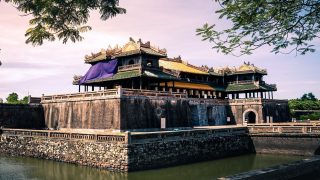
Built in 1653, Quan Cong Temple is one of the must-see places in Hoi An for travellers interested in spirituality, heritage, and traditional architecture. Dedicated to the esteemed General Quan Van Truong-celebrated for his loyalty, bravery, and integrity during the era of the Three Warring Kingdoms-the temple embodies the virtues that have inspired generations. Its cultural depth and visual splendour also make it a highlight of any walking tour of Hoi An.
The temple’s design reflects a harmonious blend of Chinese and Vietnamese craftsmanship. Its vibrant red, yellow, and green motifs, ornate statues, and symbolic décor create an atmosphere rich in reverence and artistry. Despite undergoing several renovations over the centuries, the temple has retained its architectural essence, standing as a testament to Hoi An’s multicultural legacy.
Table of Contents
- History and Significance of Quan Cong Temple
- Things to See and Do in Quan Cong Temple
- How to Get to Quan Cong Temple
- Practical Tips on Visiting Quan Cong Temple
- Where to Stay close to Quan Cong Temple
- Is Quan Cong Temple Worth Visiting?
- FAQs for Visiting Quan Cong Temple
- Nearby Attractions to Quan Cong Temple
History and Significance of Quan Cong Temple
Quan Cong Temple was established by a community of Chinese merchants and artisans who settled in Hoi An during the town's flourishing trading years. Their deep admiration for General Quan Van Truong-also known as Guan Yu-led them to create a temple honouring his moral virtues, which emphasise loyalty, justice, and honour.
The temple quickly became a focal point for worship, gatherings, and cultural activities, and remains an enduring symbol of the values that shaped community life. Its status as a National Historic and Cultural Heritage site underlines its importance not only to Hoi An but also to Vietnam's broader spiritual and historical landscape.
Throughout its long history, Quan Cong Temple has managed to preserve its original layout, traditional roof tiles, and sacred carvings of dragons, phoenixes, and nghe-the mythical Vietnamese unicorn. These motifs reflect a belief system rooted in protection, prosperity, and justice.
Things to See and Do in Quan Cong Temple
Upon entering the temple, visitors are welcomed by a graceful courtyard featuring decorative plants, statues, and symbolic animals. The richly coloured halls showcase a mix of Chinese and Vietnamese architectural elements, inviting you to linger over the details carved into wood, stone, and lacquer.
The main sanctuary houses statues of Quan Cong, his adoptive son Quan Binh, and his loyal general Chau Xuong. These exquisite sculptures embody the loyalty and righteousness celebrated in the Romance of the Three Kingdoms, making them one of the top sights in Hoi An for lovers of history and myth.
Look up to admire the enamel-tiled roofs with their sweeping curves, as well as the dragon and nghe carvings that contribute to the temple’s visual harmony. Each room and altar reveals layers of symbolism, spiritual meaning, and cultural artistry.
How to Get to Quan Cong Temple
Most travellers arrive in Hoi An via Da Nang International Airport, which lies about 45 minutes away from the Ancient Town and offers excellent domestic and international flight connections. For the best deals and a seamless booking experience, check out these flights to Hoi An on Booking.com.
For those travelling by train, the nearest station is Da Nang Railway Station, where onward travel to Hoi An is easy by taxi, shuttle, or bus. Train schedules and bookings can be found on Omio.
Quan Cong Temple is located on Tran Phu Street in Hoi An Ancient Town, making it easy to explore on foot or by bicycle. Travelling by car requires parking in designated areas outside the pedestrianised zone before walking to the temple.
Practical Tips on Visiting Quan Cong Temple
- Suggested tips: Dress respectfully, as this is an active religious site.
- Best time to visit: Early morning or late afternoon for quieter moments and softer light.
- Price: Hoi An Old Town Ticket Required (120,000 VND)
- Opening Hours: Typically 8:00–17:00
- How long to spend: Around 30 to 45 minutes is ideal for a full visit.
- Accessibility: Some thresholds and steps may present challenges for visitors with mobility needs.
- Facilities: Basic facilities are available nearby in the Ancient Town.
- Photography tip: Capture the ornate roof tiles and dragon carvings from the courtyard.
- Guided tours: Many heritage walking tours include Quan Cong Temple as a key stop.
- Nearby food options: Tran Phu Street offers numerous cafés and traditional Vietnamese eateries.
Where to Stay close to Quan Cong Temple
Staying near the Ancient Town allows you to explore Quan Cong Temple and other heritage sites at an easy pace. Consider Allegro Hoi An, offering boutique comfort with cultural charm. For a more historic feel, Vinh Hung Heritage Hotel places you right in the heart of Hoi An's old quarter. Another great choice is Little Riverside Hoi An, known for river views and convenient access to historic attractions.
Is Quan Cong Temple Worth Visiting?
Yes, Quan Cong Temple is absolutely worth visiting. Its vibrant architecture, deep spiritual significance, and beautifully preserved heritage make it one of the best places to visit in Hoi An for travellers seeking meaningful cultural experiences. Whether you're drawn to history, symbolism, or simply the peaceful atmosphere, the temple offers a memorable glimpse into the traditions that have shaped Hoi An.
What Other Travellers Say...

Fujian Assembly Hall at 46 Trần Phú in Hoi An is an ornate Chinese assembly hall dedicated to the sea goddess Thien Hau (Mazu), with colourful tiled roofs, detailed wood carvings, incense coils and bonsai-filled courtyards that create a peaceful, spiritual atmosphere; visitors say it's compact (around 15–20 minutes to see), photogenic, offers a meaningful ritual of lighting incense and leaving written wishes, and is often included with the Old Town ticket, with a few small stalls nearby selling cold drinks.


FAQs for Visiting Quan Cong Temple
Nearby Attractions to Quan Cong Temple
- Fujian Assembly Hall: A vibrant cultural site dedicated to Thien Hau with ornate design and symbolic décor.
- Cantonese Assembly Hall: A beautifully carved heritage hall honouring Quan Cong with striking motifs.
- Japanese Covered Bridge: Hoi An's iconic landmark, symbolising centuries of cultural exchange.
- Old House of Tan Ky: A beautifully preserved merchant home reflecting three architectural traditions.
- Hoi An Night Market: A lively riverside market offering lanterns, street food, and vibrant local energy.
The Quan Cong Temple appears in our Complete Guide to Visiting Hoi An!

Moira & Andy
Hey! We're Moira & Andy. From hiking the Camino to trips around Europe in Bert our campervan — we've been traveling together since retirement in 2020!
This website uses affiliate links which may earn a commission at no additional cost to you!
Planning Your Visit
Typically 8:00-17:00
Hoi An Old Town Ticket Required (120,000 VND)
Nearby Attractions
- Hainan Assembly Hall (0.1) km
Historic Building - Fujian Assembly Hall (0.1) km
Historic Building - Trung Hoa Assembly Hall (0.1) km
Historic Building - Trieu Chau Assembly Hall (0.2) km
Historic Building - Museum of Trade Ceramics (0.2) km
Museum - Tran Family Chapel (0.3) km
Historic Building - Museum of History and Culture (0.4) km
Museum - Ancient House of Tan Ky (0.4) km
Historic Building - Duc An Ancient House (0.4) km
Historic Building - Ba Mu Temple (0.5) km
Buddhist Temple