Pont de Pedra, Girona
Attraction and Bridge in Girona
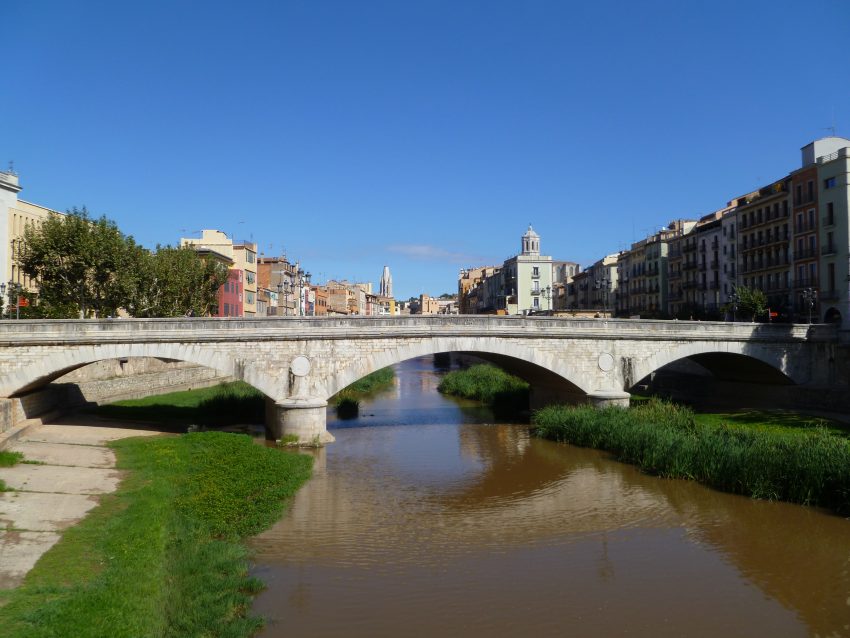
Pont de Pedra (the Stone Bridge) is one of Girona's most convenient crossings over the River Onyar, linking the modern Eixample side with the edge of the Barri Vell (Old Town). It's not a “big-ticket” monument you queue for, but a simple, scenic place that quietly anchors the city's daily rhythm—commuters, cyclists, and visitors all pass through for the views.
For travelers, the bridge works best as a natural waypoint on a walking tour: start here, look up and down the river for Girona's famous colorful façades, then continue toward the Rambla de la Llibertat and the lanes of the historic center. If you're choosing just a few “stop-and-look” moments in Girona, Pont de Pedra is one of the easiest places to get a satisfying city snapshot.
Table of Contents
- History and Significance of the Pont de Pedra
- Things to See and Do in the Pont de Pedra
- How to Get to the Pont de Pedra
- Practical Tips on Visiting the Pont de Pedra
- Where to Stay Close to the Pont de Pedra
- Is the Pont de Pedra Worth Visiting?
- For Different Travelers
- FAQs for Visiting Pont de Pedra
- Nearby Attractions to the Pont de Pedra
History and Significance of the Pont de Pedra
Pont de Pedra is significant less for a single dramatic story and more for what it represents in Girona: a practical connection between two halves of the city. The name itself signals its role as a sturdy, everyday crossing—an unpretentious landmark that locals use and visitors naturally gravitate toward.
Over time, Girona's river crossings have been rebuilt and adapted as the city evolved, and Pont de Pedra reflects that ongoing relationship with the Onyar. Standing here makes it easy to understand Girona's layout: the river as a dividing line, the old town rising beyond it, and the modern grid spreading out in the opposite direction.
Today, its “significance” is also visual. The bridge is a reliable viewpoint for the river corridor, and it’s a common meeting point before heading into the Barri Vell—especially handy if you’re doing a self-guided walk or meeting a tour group.
Things to See and Do in the Pont de Pedra
The main reason to stop on Pont de Pedra is the view along the Onyar. Look for the layered cityscape: riverbanks, rows of painted houses, and the gentle curve of streets that lead you toward Girona's historic core. It's a quick stop, but it delivers one of those “I'm really here” moments.
Use the bridge as a launchpad for a compact walking loop. From here you can drift toward the Rambla de la Llibertat for cafés and people-watching, then continue into the Barri Vell's narrow lanes, small plazas, and stair-stepped streets. If you're visiting on a weekend, the area around the bridge can feel extra lively thanks to nearby shops, bars, and occasional artisan stalls.
For photographers, Pont de Pedra is a practical, low-effort viewpoint: you can grab a clean river perspective without needing to climb. It's also a good place to pause at different times of day—morning for calmer scenes, late afternoon for warmer light, and evening when the city starts to glow.
How to Get to the Pont de Pedra
The nearest airports are Girona–Costa Brava Airport (GRO) for the quickest arrival, or Barcelona–El Prat (BCN) if you're combining Girona with a broader Catalonia trip. For the best deals and a seamless booking experience, check out these flights to Girona on Booking.com.
Girona is well-connected by rail, and arriving by train is one of the easiest ways to do a day trip or a car-free weekend; from Girona station, you can walk or take a short taxi/bus ride toward the river and the bridge. Train schedules and bookings can be found on Omio.
If you’re driving, aim for parking on the modern side of the city (Eixample) and walk in, since the historic center has tighter streets and more restrictions. If you are looking to rent a car in Spain I recommend having a look at Discover Cars, first, as they compare prices and review multiple car rental agencies for you.
Practical Tips on Visiting the Pont de Pedra
- Entrance fee: Free.
- Opening hours: 24 Hours.
- Best time to visit: Go early in the morning for quieter views and easier photos, or around golden hour for warmer light on the riverfront buildings.
- How long to spend: Plan 10–20 minutes for photos and views, or 30–45 minutes if you’re using it as a starting point for a riverside stroll into the old town.
- Accessibility: The bridge is flat and straightforward to cross, making it a good option for travelers who want a scenic viewpoint without stairs.
- Facilities: There are plenty of cafés, restaurants, and shops nearby, so it’s easy to pair the stop with a coffee break or a casual meal.
Where to Stay Close to the Pont de Pedra
The best area to base yourself is central Girona near the river and the Barri Vell edge, so you can walk everywhere and still have easy access to transport.
If you want to step out the door and be immediately in the middle of Girona’s riverfront atmosphere, choose a hotel close to Plaça Catalunya and the Onyar crossings. For a more historic feel, stay just across the river in or near the Barri Vell, where evenings are quieter and the streets feel cinematic once day-trippers leave.
Hotel Gran Ultonia Chosen for its central location and reliable comfort, making it a practical base for walking to the river, the old town, and the train station.
Hotel Ultonia A solid mid-range option in the same central complex, useful if you want value and convenience without sacrificing walkability.
Hotel Nord 1901 Included for its boutique feel and calm, polished vibe—great if you want to be close to the action but still sleep well.
Hotel Museu Llegendes de Girona Picked for its character and old-town atmosphere, ideal if you want to lean into Girona’s historic setting and evening charm.
Hotel Carlemany Girona A dependable choice on the modern side with easy access to shopping streets and straightforward routes to the river and Barri Vell.
Is the Pont de Pedra Worth Visiting?
Yes—Pont de Pedra is worth visiting because it's effortless, scenic, and perfectly placed. Even if you only stop for a few minutes, it helps you orient yourself, enjoy the river views, and transition naturally into Girona's most walkable, most photogenic neighborhoods.
Honest Pivot: If you're short on time and only care about “must-see” interiors (cathedrals, museums, ticketed monuments), you can skip making a special trip—Pont de Pedra is best as a quick add-on while you're already walking between the modern center and the old town.
What Other Travellers Say...

Reviews are overwhelmingly positive, describing Pont de Pedra as a beautiful, central spot that connects modern Girona with the historic quarter. Visitors especially like the river views and photo opportunities, and many mention the lively atmosphere nearby with cafés, restaurants, and occasional weekend stalls. A minor downside is that it's a quick stop rather than a standalone attraction, and it can feel busier at popular times.



For Different Travelers
Pont de Pedra is the kind of place that adapts to your trip style: a photo stop, a navigation point, or a simple pause between bigger sights. Because it's outdoors and central, it's easy to include without rearranging your day.
Families with Kids
For families, the bridge is a low-commitment stop that breaks up longer walks through the old town. Kids can enjoy watching the river activity and spotting interesting buildings without the “museum fatigue” factor.
Pair it with a snack stop nearby and keep the route simple: bridge views, a short riverside stroll, then a plaza or gelato. It’s an easy win in a family itinerary.
Couples & Romantic Getaways
Couples will appreciate Pont de Pedra most at golden hour, when the river corridor looks its best and the city feels softer. It's a natural place for a quick photo together before heading into the Barri Vell for dinner.
For a more romantic rhythm, use the bridge as the start of an unhurried evening walk—cross into the old town, wander without a strict plan, and finish with a cozy table nearby.
Budget Travelers
Budget travelers will like that Pont de Pedra is a high-reward stop that costs nothing and sits on foot-friendly routes. It's also a useful orientation point if you're exploring Girona primarily by walking.
Build a free itinerary around it: river viewpoints, old-town lanes, and public squares, then save your spending for one standout meal or a museum you really care about.
History Buffs
History buffs won’t find a single “headline” artifact on the bridge itself, but it’s a great place to read the city’s geography and development. Seeing how the river divides and connects neighborhoods adds context to Girona’s layers of history.
Use Pont de Pedra as a gateway into deeper exploration: cross into the Barri Vell and focus on the older street patterns, the defensive logic of the historic core, and how Girona's landmarks cluster on the elevated side.
FAQs for Visiting Pont de Pedra
Getting There
Tickets & Entry
Visiting Experience
Tours, Context & Itineraries
Photography
Accessibility & Facilities
Food & Breaks Nearby
Safety & Timing
Nearby Attractions to the Pont de Pedra
- Pont de les Peixateries Velles: An iconic iron bridge nearby with classic views of the Onyar and colorful riverfront houses.
- Rambla de la Llibertat: Girona's lively promenade for cafés, strolling, and a quick taste of local daily life.
- Barri Vell (Old Town): A maze of medieval lanes and small plazas that forms the historic heart of Girona.
- Girona Cathedral: A major landmark with dramatic architecture and a hilltop presence over the old town.
- The Onyar River Houses: The famous painted façades lining the river, best appreciated from multiple crossings and riverbank angles.
The Pont de Pedra appears in our Complete Guide to Visiting Girona!

Moira & Andy
Hey! We're Moira & Andy. From hiking the Camino to trips around Europe in Bert our campervan — we've been traveling together since retirement in 2020!
This website uses affiliate links which may earn a commission at no additional cost to you!
Planning Your Visit
24 Hours.
Free.
Nearby Attractions
- Girona City Hall ajuntame to (0.1) km
Historic Building, Historic Site and Town Hall - Rambla de la Llibertat (0.2) km
Area, Promenade and Street - Pont de les Peixateries Velles (0.2) km
Attraction and Bridge - CaixaForum Girona (0.2) km
Gallery, Historic Building and Museum - Antic Hospital de Santa Caterina (0.3) km
Courtyard, Historic Building and Historic Site - Onyar River Colored Houses (0.3) km
Attraction, Historic Site and Walk - Mercat del Lleó (0.3) km
Market - Mercat del Lleó (0.3) km
Market - Monument als defensors de Girona el 1808 i 1809 (0.3) km
Memorial, Monument and Square - Plaça de la Independència (0.3) km
Area, Attraction and Square