POLIN Museum of the History of Polish Jews, Warsaw
Museum in Warsaw
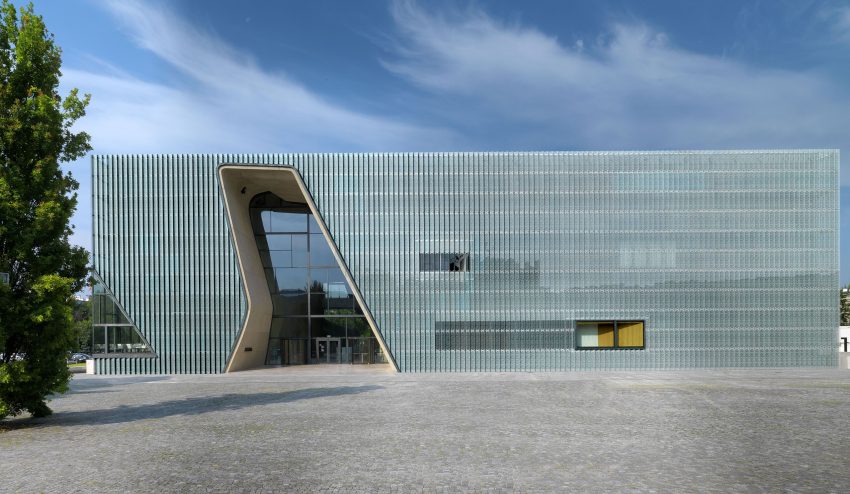
POLIN Museum of the History of Polish Jews sits in Muranów, on the former site of the Warsaw Ghetto, and it's a museum that changes the tone of a Warsaw trip in the best possible way. From the outside, the building is striking and contemporary, but the real impact comes from what it holds: a narrative, immersive exhibition that carries you through a millennium of Jewish life in Poland, with Warsaw's 20th-century history forming one of its most intense chapters. It is one of the top attractions in Warsaw for travellers who want a visit that is thoughtful, human, and genuinely memorable.
The museum also works brilliantly in a walking tour of Warsaw because it's located beside key memorial sites, and it's close enough to the Old Town edge to combine with classic sightseeing without feeling like a long detour. Even if you're not usually a museum person, POLIN is built to be experienced rather than “looked at” quickly, with reconstructed spaces, soundscapes, and storytelling that make the history feel immediate.
Table of Contents
- History and Significance of the POLIN Museum of the History of Polish Jews
- Things to See and Do in the POLIN Museum of the History of Polish Jews
- How to Get to the POLIN Museum of the History of Polish Jews
- Practical Tips on Visiting the POLIN Museum of the History of Polish Jews
- Where to Stay Close to the POLIN Museum of the History of Polish Jews
- Is the POLIN Museum of the History of Polish Jews Worth Visiting?
- For Different Travelers
- FAQs for Visiting POLIN Museum of the History of Polish Jews
- Nearby Attractions to the POLIN Museum of the History of Polish Jews
History and Significance of the POLIN Museum of the History of Polish Jews
POLIN opened in 2014 in Muranów, a district layered with meaning: modern buildings and quiet streets built over one of the most traumatic landscapes in wartime Europe. The museum stands directly alongside the Monument to the Ghetto Heroes, and that proximity matters-your visit is anchored not only in the long sweep of history, but also in a specific place where history became brutally concentrated.
What makes POLIN distinctive is its scale of storytelling. Rather than beginning and ending with the Holocaust, the museum deliberately frames it within a much longer timeline, tracing everyday life, culture, faith, language, and community across centuries. That wider view doesn’t soften the tragedy-it deepens it, because you understand what existed before, what was lost, and what has endured.
The architecture reinforces that intent: modern, symbolic, and designed to feel like an encounter rather than a neutral container. Even before you enter the galleries, the building and its setting create a sense that you’re stepping into a space where memory and history are meant to be faced directly.
Things to See and Do in the POLIN Museum of the History of Polish Jews
The essential experience is the Core Exhibition, a story-led journey through eight thematic galleries that covers roughly 1,000 years of Jewish history in Poland. Give yourself permission to move at your own pace: some sections invite slow reading and reflection, while others are more visual and spatial, designed to be felt as much as understood.
Look out for the museum’s reconstructed environments and immersive design moments, which are often what visitors remember most. These aren’t “sets” for effect; they’re used to place the history in lived contexts-streets, interiors, and cultural spaces that help you grasp how communities functioned, changed, and responded to shifting political realities.
After the Core Exhibition, many travellers benefit from a quieter pause-either in the museum café or simply sitting with the experience before rushing back into the city. If you’re visiting with limited time, prioritise a coherent route through the main narrative rather than trying to see every element, because POLIN rewards depth more than speed.
How to Get to the POLIN Museum of the History of Polish Jews
The nearest airports are Warsaw Chopin Airport (WAW) and Warsaw Modlin Airport (WMI). For the best deals and a seamless booking experience, check out these flights to Warsaw on Booking.com.
If you arrive by train into Warszawa Centralna (Warsaw Central), the simplest approach is metro, tram, or bus toward the Muranów area, then a short walk to the museum entrance. You can easily check schedules and book tickets through the PKP Intercity website. However, for a smoother experience, we recommend using Omio, which simplifies the booking process and lets you compare prices and schedules all in one place.. It’s a straightforward trip and one of those Warsaw journeys where public transport is often faster and calmer than driving.
If you’re exploring on foot, POLIN pairs well with a walk from the Old Town edge via Muranów’s broad streets and memorial sites, turning the approach into part of the visit rather than a transfer.
If you’re driving, park in a central car park and walk the last stretch, since the most meaningful part of the area is best experienced on foot. If you are looking to rent a car in Poland I recommend having a look at Discover Cars, first, as they compare prices and review multiple car rental agencies for you.
Practical Tips on Visiting the POLIN Museum of the History of Polish Jews
- Entrance fee: Regular: 45 PLN; Reduced: 35 PLN. Free admission to the Core & temporary exhibitions on Thursday. Website: https
- Opening hours: Monday & Wednesday – Friday & Sunday: 10:00–18:00. Saturday: 10:00–20:00. Closed on Tuesday.
- Official website: https://polin.pl/en
- Best time to visit: Go early for a calmer, more reflective experience, especially if you want to read and absorb the exhibition without feeling rushed.
- How long to spend: Plan 2-4 hours for the Core Exhibition depending on your pace, and add extra time if you want a café break or to sit with the experience afterwards.
- Accessibility: The museum is modern and generally easy to navigate, but the exhibition is information-rich, so pacing yourself and taking short breaks makes a big difference.
- Facilities: Expect a café and visitor amenities on-site, plus plenty of nearby places to pause around the memorial area if you want a quiet moment outside.
Where to Stay Close to the POLIN Museum of the History of Polish Jews
For a culture-heavy itinerary, base yourself in central Śródmieście or the Old Town edge so you can walk to major museums and landmarks; if your trip focus is nightlife and contemporary dining, Powiśle is often the better fit while still keeping POLIN easily reachable.
For a practical, walkable base near POLIN and the Old Town boundary, ibis Warszawa Stare Miasto is a reliable choice that keeps you close to Muranów and central transport routes. If you prefer a more design-forward stay that’s excellent for evenings around Nowy Świat and quick access across the city, PURO Warszawa Centrum works well for balancing museums with modern Warsaw. For a polished, comfort-first option in the central business area with easy transport links in multiple directions, The Westin Warsaw is a strong all-round base.
Is the POLIN Museum of the History of Polish Jews Worth Visiting?
Yes-if you want one museum in Warsaw that delivers real depth, POLIN is the clearest choice. The exhibition is immersive and carefully structured, so you leave with a coherent understanding rather than disconnected facts, and the setting makes it feel grounded in the city rather than abstract history.
It's also a visit that pairs well with the rest of Warsaw. You can follow it with Old Town sightseeing, a park walk, or a quieter memorial route nearby, and the day still feels balanced-meaningful without being overwhelming, provided you give yourself time to decompress afterwards.
What Other Travellers Say...

POLIN Museum of the History of Polish Jews, at Mordechaja Anielewicza 6 in Warsaw, is a striking modern museum filled with well‑curated, interactive exhibits that trace the history of Jewish life in Poland; visitors praise the detailed displays, numerous eyewitness accounts, photos and documents, and an included audio guide in many languages that guides you through the galleries while allowing independent exploration and breaks with seating and multimedia options, though busy guided tours can sometimes crowd exhibits.


For Different Travelers
Families with Kids
This museum can work well for families, but it’s best approached with a flexible plan and realistic expectations about attention spans. Choose a shorter route through the exhibition, focus on the more visual and immersive sections, and treat the visit as a conversation starter rather than a full deep-dive.
A practical strategy is to time the museum for earlier in the day, keep the visit contained, and then transition to an outdoor break nearby. That way, the experience stays meaningful without turning into fatigue for kids or adults.
Couples & Romantic Getaways
For couples, POLIN is less about romance and more about shared meaning-the kind of place that gives you a richer sense of Warsaw, and often leads to the best conversations later over dinner. The museum's design and pacing make it easy to experience together without feeling like you're “doing homework.”
A good couples plan is to pair POLIN with a slower walk afterward-either through Muranów’s memorial landscape or toward the Old Town edge-so the day has time to breathe. The contrast between reflective museum time and gentle city wandering is what makes it feel complete.
Budget Travelers
POLIN is excellent value because it offers a high-impact experience that can anchor an entire day without requiring multiple paid attractions. If you’re budgeting tightly, plan your day around one major museum visit and then build the rest from walking routes and free memorial stops nearby.
To keep costs predictable, decide in advance how long you’ll spend inside and what your “must-see” sections are. That prevents the common budget-traveller trap of rushing through a major museum because you’re trying to squeeze in too many other paid entries.
History Buffs
If you’re a history buff, POLIN is essential because it reframes Polish history through a long, deeply contextual lens. The strongest approach is to follow the narrative in order, even if you feel tempted to jump straight to the 20th century, because the earlier galleries make the later ones more comprehensible and more devastating.
Give yourself time for reading and reflection, and consider taking breaks between key sections so you stay engaged. Many history-focused visitors find that POLIN is best experienced as a primary destination for the day, not as a quick add-on between lighter stops.
FAQs for Visiting POLIN Museum of the History of Polish Jews
Getting There
Tickets & Entry
Visiting Experience
Tours, Context & Itineraries
Photography
Accessibility & Facilities
Food & Breaks Nearby
Safety & Timing
Nearby Attractions to the POLIN Museum of the History of Polish Jews
- Monument to the Ghetto Heroes: A major Warsaw memorial site directly beside the museum that deepens the context before or after your visit.
- Umschlagplatz Monument: A stark, important memorial marking a key deportation site, best visited with time for quiet reflection.
- Krasiński Garden (Ogród Krasińskich): A nearby green space that offers a gentle reset after an intense museum visit.
- Warsaw Uprising Monument: A powerful sculpture memorial in easy reach that connects to Warsaw's broader 20th-century story.
- Old Town Market Square (Rynek Starego Miasta): A short journey away, offering a contrasting atmosphere of restored architecture and classic sightseeing.
The POLIN Museum of the History of Polish Jews appears in our Complete Guide to Visiting Warsaw!

Moira & Andy
Hey! We're Moira & Andy. From hiking the Camino to trips around Europe in Bert our campervan — we've been traveling together since retirement in 2020!
This website uses affiliate links which may earn a commission at no additional cost to you!
Planning Your Visit
Monday & Wednesday - Friday & Sunday: 10:00-18:00.
Saturday: 10:00-20:00.
Closed on Tuesday.
Regular: 45 PLN; Reduced: 35 PLN. Free admission to the Core & temporary exhibitions on Thursday. Website: https
Nearby Attractions
- Monument to the Ghetto Heroes (0.1) km
Monument - Krasiński Garden (0.6) km
Gardens - Krasiński Palace (0.7) km
Palace - Warsaw Ghetto Boundary Markers (0.8) km
Historic Site - Warsaw Uprising Monument (0.8) km
Monument - Field Cathedral of the Polish Army (0.9) km
Cathedral - Maria Skłodowska-Curie Museum (1.1) km
Museum - New Town Market Square (1.1) km
Square - Mały Powstaniec, Little Insurgent Monument (1.1) km
Monument - Warsaw Barbican (1.1) km
Castle