Park and Palace of Monserrate, Sintra
Palace and Park in Sintra
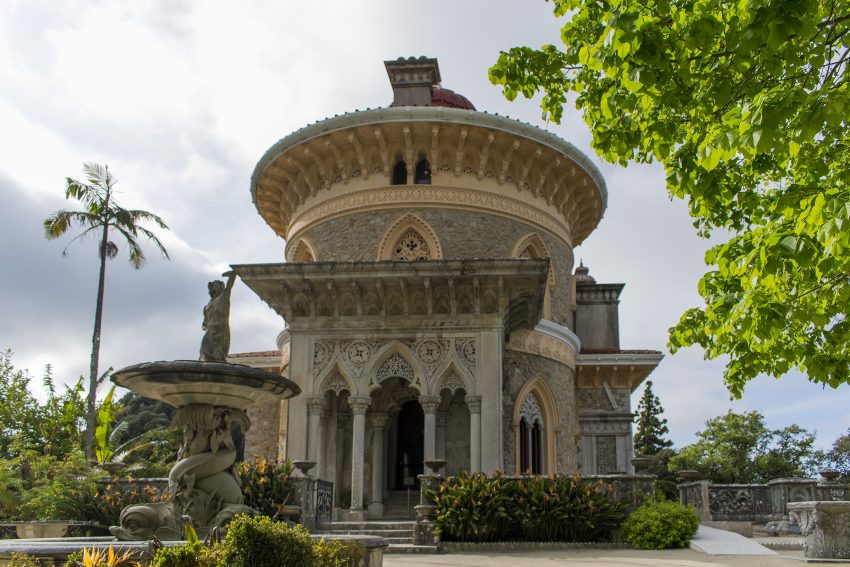
Monserrate Palace is one of Sintra's most rewarding “slow” visits: a Romantic-era estate where the gardens are as memorable as the building itself. Set on the western side of the Sintra Hills, it feels calmer than the headline monuments, with winding footpaths that drift through ferns, waterfalls, lakes, and tucked-away viewpoints before delivering you to the palace like a reveal.
If you want a break from the busiest queues, Monserrate is one of the top attractions in Sintra for travellers who enjoy atmosphere and variety in the same ticket, and it fits neatly into a walking tour of Sintra as the greener, quieter counterpoint to the town's main palaces. It's the kind of place where you can take your time, follow curiosity down side paths, and still end up with a coherent, satisfying visit.
Table of Contents
- History and Significance of the Monserrate Palace
- Things to See and Do in the Monserrate Palace
- How to Get to the Monserrate Palace
- Practical Tips on Visiting the Monserrate Palace
- Where to Stay Close to the Monserrate Palace
- Is the Monserrate Palace Worth Visiting?
- For Different Travelers
- FAQs for Visiting Monserrate Palace
- Nearby Attractions to the Monserrate Palace
History and Significance of the Monserrate Palace
Monserrate began as a rural property, first shaped in the 18th century when Gerard DeVisme imagined an ornamental retreat here. The estate later drew figures like William Beckford, who fell hard for the Serra de Sintra and helped cement the area's reputation as a Romantic landscape of mist, hills, and cultivated beauty.
The estate’s most defining chapter arrived with Francis Cook, the first Viscount of Monserrate, who transformed it into a carefully composed world of contrasts. With help from specialists including a landscape painter, botanist, and master gardener, the park was designed to feel spontaneous and slightly wild, even though it is highly intentional in how it moves you between ruins, nooks, water features, and botanical “scenes.”
That blend of theatrical landscape and global botany is the core of Monserrate’s significance today. It is not just a palace you tour room by room; it is a living collection that lets you travel across climates and continents in a single walk, with Portuguese vegetation mixing into the curated plantings so the whole place feels rooted rather than staged.
Things to See and Do in the Monserrate Palace
Start with the park, not the palace. The footpaths are narrow and winding, and the joy is letting them pull you through small discoveries: ferny corners, little bridges, quiet lakes, and sudden clearings where the light changes. If you like gardens, Monserrate is one of the rare places in Sintra where the approach is the main event, not just the route to the building.
The plant collection is the park’s signature. You’ll see species from across the world’s continents, including cork oaks and other trees that sit naturally in the Portuguese landscape alongside more exotic plantings. Over 2,500 species are represented, and part of the pleasure is noticing how the mood shifts as the vegetation changes around you.
Then save time for the palace interiors, especially the ground-floor rooms that show off the estate’s decorative ambition. The Music Room, dining areas, and richly styled spaces feel designed for hosting and spectacle, while the upper-floor apartments add a more private note that rounds out the story. Even if you are not an interiors person, the contrast between lush garden wilderness and refined rooms is exactly what makes Monserrate click.
How to Get to the Monserrate Palace
The nearest airport is Lisbon Humberto Delgado Airport (LIS), and Sintra is one of the easiest day trips from Lisbon once you are on the ground. For the best deals and a seamless booking experience, check out these flights to Sintra on Booking.com.
From Lisbon, the simplest route is the train to Sintra station, then a local bus or taxi onward to Monserrate, which sits a little outside the main historic-centre cluster. Train schedules and bookings can be found on Omio.
If you are travelling by car, Monserrate is generally easier than some Sintra hilltop sites because it sits lower and can be worked into a scenic loop that also includes the coast, but it still pays to start early to avoid peak congestion. If you are looking to rent a car in Portugal I recommend having a look at Discover Cars, first, as they compare prices and review multiple car rental agencies for you.
Practical Tips on Visiting the Monserrate Palace
- Entrance fee: Adults: €12 (Park and Palace); €6 (Park only).
- Opening hours: Daily: Park 09:00–19:00 & Palace 09:30–18:00. Closed: 24 December; 25 December; 31 December; 01 January.
- Official website: https://www.parquesdesintra.pt/en/parks-monuments/park-and-palace-of-monserrate/
- Best time to visit: Go early for the quietest paths and the freshest garden feel, or late afternoon for softer light and a calmer atmosphere once day-trippers thin out.
- How long to spend: Plan 2-3 hours for an unhurried visit that includes both the gardens and the palace interior.
- Accessibility: Expect slopes, steps, and uneven garden paths; the palace visit is more controlled, but the park is best for confident walkers.
- Facilities: Bring water and comfortable shoes; you will find services at the main visitor areas, but the park experience involves plenty of walking between stops.
Where to Stay Close to the Monserrate Palace
For a culture-heavy itinerary, the best base is central Sintra near the historic centre so you can walk to restaurants and key sights; if your main focus is quieter nights and easy access to gardens, palaces, and the coastal road, consider staying around São Pedro de Sintra or the Colares area for a calmer, more local rhythm. Sintra Boutique Hotel is a strong choice if you want comfort right in the centre with an easy walk to dinner and evening strolls. Hotel Tivoli Sintra is a practical base with a classic, central location that keeps logistics simple. If you prefer a quieter setting with a more boutique feel just outside the busiest lanes, Vila Galé Sintra works well for a reset after busy sightseeing days.
Is the Monserrate Palace Worth Visiting?
Yes, especially if you want a Sintra experience that feels less rushed and more immersive. Monserrate rewards travellers who enjoy wandering, because the gardens are designed for discovery rather than checklist sightseeing, and the palace visit is the elegant “finale” that ties the whole landscape together.
It is also a smart choice if you are trying to balance your itinerary. After the intensity of Sintra’s busiest monuments, Monserrate offers space, shade, and a slower tempo while still feeling unquestionably special.
What Other Travellers Say...

Park and Palace of Monserrate, on R. Barbosa du Bocage 136 in Sintra, is an ornate 19th‑century mansion mixing Moorish, Gothic and Indian influences set amid extensive botanical gardens; visitors praise the intricate yet compact palace, peaceful, romantic atmosphere, and a wide variety of rare and international plantings—redwood sequoia, monkey puzzle, large ferns and an impressive cactus collection—while noting the gardens are the main attraction, offer winding paths, waterfalls and quieter viewing than busier nearby sites, and that signage on some garden trails can be sparse so wear comfortable shoes and allow a couple of hours to wander.


For Different Travelers
Families with Kids
Monserrate works well for families because the gardens provide constant variety: bridges, hidden corners, water features, and paths that feel like a small adventure. Kids often enjoy it more when you frame it as exploration rather than a formal palace tour.
Keep expectations flexible and treat the palace interior as the shorter, structured segment after you have burned energy outside. Snacks and water make a big difference here because the park invites longer wandering than you might plan.
Couples & Romantic Getaways
For couples, Monserrate is one of Sintra’s most naturally romantic places because it feels designed for lingering. The winding paths, quiet lakes, and shaded greenery create an atmosphere that is more intimate than the busier palace terraces.
Plan a slower visit and let the gardens set the pace, then finish with the palace rooms for a sense of occasion. If you time it for late afternoon, the light and the quieter paths can make the whole place feel almost private.
Budget Travelers
Monserrate is good value because you get a full garden experience and a palace interior in one visit, without needing extra paid add-ons to make the day feel complete. It is also easy to structure as a half-day, leaving you time for free viewpoints and town wandering elsewhere.
To keep costs predictable, use public transport to reach Sintra, then choose one or two paid sites you will actually enjoy rather than trying to see everything. Monserrate is an excellent “one big ticket” choice for travellers who prefer depth over speed.
History Buffs
History lovers will appreciate Monserrate’s layered ownership story and the way it captures Sintra’s Romantic era in landscape form. The estate’s evolution from rural property to designed park reflects how elites used nature, architecture, and global botany to express taste and status.
The palace interiors add another dimension, showing how the estate was meant to be lived in and displayed, not simply admired from outside. Pairing the rooms with the garden route helps the history feel tangible rather than abstract.
FAQs for Visiting Monserrate Palace
Getting There
Tickets & Entry
Visiting Experience
Tours, Context & Itineraries
Photography
Accessibility & Facilities
Food & Breaks Nearby
Safety & Timing
Nearby Attractions to the Monserrate Palace
- Pena Palace: Sintra's famous hilltop landmark, best visited early to avoid peak crowds and enjoy the views.
- Moorish Castle: A dramatic ridge walk with fortress walls and sweeping panoramas over the forested hills.
- Quinta da Regaleira: A whimsical estate of gardens, towers, and underground passages that rewards slow exploration.
- Sintra National Palace: A central historic palace in town that pairs well with an easy afternoon of cafés and wandering.
- Cabo da Roca: The rugged coastal viewpoint west of Sintra, ideal for a sea-air contrast after a garden-heavy day.
The Park and Palace of Monserrate appears in our Complete Guide to Visiting Sintra!

Moira & Andy
Hey! We're Moira & Andy. From hiking the Camino to trips around Europe in Bert our campervan — we've been traveling together since retirement in 2020!
This website uses affiliate links which may earn a commission at no additional cost to you!
Planning Your Visit
Daily: Park 09:00-19:00 & Palace 09:30-18:00.
Closed: 24 December; 25 December; 31 December; 01 January.
Adults: €12 (Park and Palace); €6 (Park only).
Nearby Attractions
- Convento dos Capuchos (1.8) km
Convent - Cruz Alta Viewpoint (2.2) km
Religious Building and Viewing Point - Palácio e Quinta da Regaleira (2.2) km
Palace - Sintra National Palace (2.7) km
Palace - Pena Palace (2.7) km
Palace - Castelo dos Mouros (2.7) km
Castle - Cabo da Roca (6.9) km
Lighthouse - Palácio de Queluz (14.8) km
Palace - Torre de Belém (21.1) km
Tower - Mosteiro dos Jerónimos (21.4) km
Monastery