Palazzo Fantuzzi, Bologna
Palace in Bologna
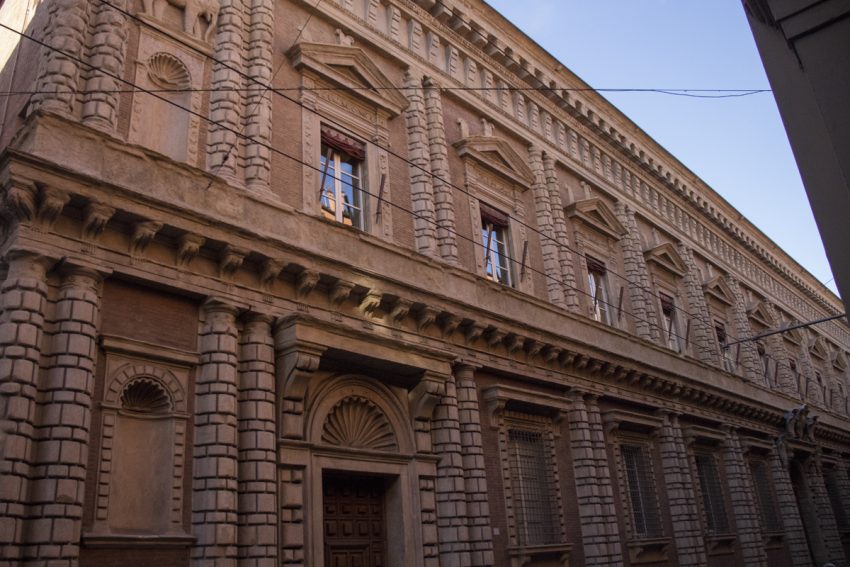
Tucked along Via San Vitale in Bologna's historic centre, Palazzo Fantuzzi is a masterpiece of Renaissance architecture and one of the top attractions in Bologna for lovers of art, history, and design. Known for its magnificent façade decorated with sculpted elephants - the symbol of the Fantuzzi family - the palace exudes the elegance and confidence of Bologna's golden age. It's also a great place to visit on a walking tour of Bologna, offering insight into the city's aristocratic past and artistic evolution.
Behind its stately exterior lies a world of ornate ceilings, frescoes, and carved details that showcase the craftsmanship of Bologna's most skilled artists. Palazzo Fantuzzi remains one of the city's most evocative noble residences, preserving centuries of history and splendour within its walls.
History and Significance of Palazzo Fantuzzi
Palazzo Fantuzzi was designed in 1517 by the renowned architect Andrea da Formigine, one of the key figures in bringing Renaissance aesthetics to Bologna. Construction began at the request of the noble Fantuzzi family, who were among the city's most influential patricians and members of the Senate. The façade, completed in 1521 under Francesco Fantuzzi, is one of the finest examples of early 16th-century Bolognese design - characterized by its ashlar pilasters and balanced proportions.
The most distinctive feature of the façade is its sculpted decoration: pairs of elephants supporting small towers placed within the corner niches. These striking figures represent the Fantuzzi family coat of arms, symbolizing both strength and nobility. The inclusion of such imagery was not only a family statement but also an artistic innovation that set the palace apart from others of its era.
Throughout the following centuries, the Fantuzzi family continued to reside in the palace, enhancing its interiors with Baroque and Rococo embellishments while preserving its Renaissance foundations. The building became an emblem of aristocratic refinement in Bologna, admired for both its architecture and the cultural events once held within its grand halls.
Things to See and Do in Palazzo Fantuzzi
Visitors approaching Palazzo Fantuzzi are immediately drawn to its elegant façade - a harmonious blend of geometry and sculpture. The elephants, with their intricate detailing, remain one of the most beloved and photographed architectural symbols in Bologna.
Inside, the palace continues to impress with richly decorated ceilings painted by leading artists of 17th-century Bologna. Among these are frescoes and ornamental designs by Angelo Michele Colonna, a celebrated painter whose works also adorn the Royal Palace of Madrid and the Palace of Versailles. His contribution to Palazzo Fantuzzi reflects the height of Bolognese Baroque artistry - a mix of illusionistic perspective, graceful figures, and lavish ornamentation.
While much of the palace remains private, its grand staircase and select rooms are occasionally open to the public during exhibitions or special cultural events. These occasions provide a rare opportunity to admire its architectural harmony and the interplay of Renaissance and Baroque elements within a single building.
How to Get There
For those arriving by train, Bologna Centrale is the nearest major railway station and about a 20-minute walk or short bus ride to Via San Vitale, where Palazzo Fantuzzi is located. Use Omnio to easily compare schedules, book train tickets, and find the best prices all in one place for a hassle-free journey across Italy. Travelers arriving by car can park at Parcheggio VIII Agosto or Tanari Parking, both within easy reach of Bologna’s city centre. If you are looking to rent a car in Italy I recommend having a look at Discover Cars, first, as they compare prices and review multiple car rental agencies for you.
Practical Tips on Visiting Palazzo Fantuzzi
- Best time to visit Palazzo Fantuzzi: During cultural heritage events or open days when the interiors are accessible.
- Entrance fee in Euros:
- How long to spend: 20-45 minutes, longer if visiting interior exhibits.
- Accessibility: Ground floor accessible; upper floors via stairs.
- Facilities: Restrooms available during events.
- Photography tip: Capture the façade’s sculpted elephants and symmetrical arches in the warm afternoon light.
- Guided tours: Occasionally available during Bologna’s cultural weekends.
- Nearby food options: Numerous cafés and trattorias along Via San Vitale and near the Two Towers.
Is Palazzo Fantuzzi Worth Visiting?
Yes - Palazzo Fantuzzi is one of the must-see places in Bologna for anyone captivated by Renaissance architecture and aristocratic heritage. Its blend of classical harmony and symbolic detail, from the elephant sculptures to the frescoed ceilings, captures the grandeur of a city at the height of its cultural power. Whether admired from the street or explored during an open event, it offers a window into the artistry and ambition that defined Bologna's noble families.
FAQs for Visiting Palazzo Fantuzzi
Nearby Attractions to Palazzo Fantuzzi
- Strada Maggiore - A historic street lined with elegant porticoes and palaces.
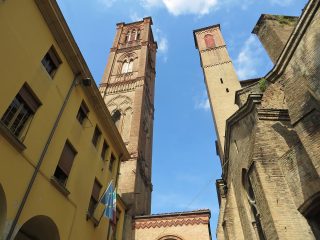
- Two Towers - Bologna's iconic leaning towers just a short walk away.
- Palazzo Poggi - Home to Bologna’s University Museums and anatomical collections.
- Basilica of Santo Stefano - A historic complex known as “Bologna's Holy Jerusalem.”
- Palazzo Malvezzi Campeggi - Another noble residence featuring Baroque frescoes.
The Palazzo Fantuzzi appears in our Complete Guide to Visiting Bologna!

Moira & Andy
Hey! We're Moira & Andy. From hiking the Camino to trips around Europe in Bert our campervan — we've been traveling together since retirement in 2020!
This website uses affiliate links which may earn a commission at no additional cost to you!
Planning Your Visit
Free to view from outside
Nearby Attractions
- Palazzo Isolani (0.2) km
Palace - Jewish Museum (0.3) km
Museum - Seven Churches and the Basilica of Santo Stefano (0.3) km
Basilica - The Two Towers: Garisenda and Degli Asinelli (0.3) km
Tower - Palazzo Della Mercanzia (0.3) km
Palace - Santa Maria della Vita & Oratory of Battuti (0.5) km
Church - Pinacoteca Nazionale di Bologna (0.5) km
Gallery - Prendiparte Tower (0.5) km
Tower - Palazzo dei Banchi (0.5) km
Palace - Museo Civico Archeologico (0.5) km
Museum