North East Maritime Trust, South Shields
in South Shields
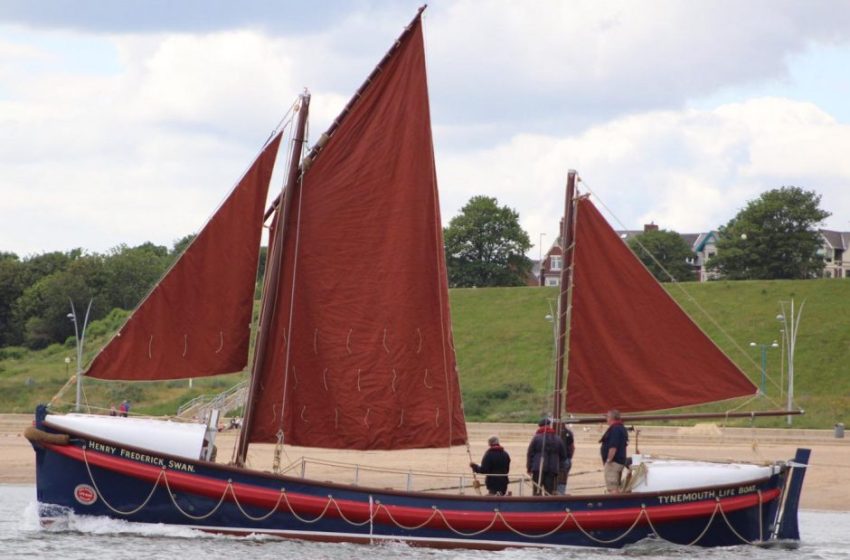
Tucked away in South Shields, the North East Maritime Trust is one of those places that feels instantly authentic: a working boatyard where timber, tools, and tradition are still part of daily life. Rather than a polished museum experience, you're stepping into real workshops where volunteers repair, restore, and maintain historic wooden vessels using skills that have shaped coastal communities for generations.
It's one of the things to do in South Shields if you like seeing heritage in motion, and it adds a distinctive, hands-on stop to a walking tour of South Shields because it sits close to the riverside and the Tyne's maritime landscape. Even a short visit has that satisfying feeling of discovery: the smell of wood shavings, the quiet focus of craft, and boats that look as if they're slowly waking up after decades of hard service.
Table of Contents
- History and Significance of the North East Maritime Trust
- Things to See and Do in the North East Maritime Trust
- How to Get to the North East Maritime Trust
- Practical Tips on Visiting the North East Maritime Trust
- Where to Stay Close to the North East Maritime Trust
- Is the North East Maritime Trust Worth Visiting?
- For Different Travelers
- FAQs for Visiting the North East Maritime Trust
- Nearby Attractions to the North East Maritime Trust
History and Significance of the North East Maritime Trust
The North East Maritime Trust exists to protect something that's easy to lose once it disappears: the working knowledge behind traditional wooden boats. In a region defined by rivers, shipbuilding, fishing, and coastal trade, these vessels are not just objects to admire; they are part of the North East's living story, tied to livelihoods, communities, and the practical realities of the sea.
What makes the Trust especially meaningful is its emphasis on working craft and working methods. The restoration isn’t purely cosmetic, and the skills involved are not theoretical. You’re seeing real conservation decisions being made in real time: which materials are faithful, which repairs are safe, and how to keep a boat’s character intact while preparing it for a future on the water.
For visitors, the significance is also emotional. Watching heritage skills being passed on, explained, and used daily gives you a sense of continuity that a static display can’t always offer. It’s a small place with a big cultural weight, and it rewards travellers who enjoy the quieter, more local layers of a destination.
Things to See and Do in the North East Maritime Trust
The main experience is the workshop visit itself. You’ll see vessels at different stages of restoration, from structural work to finishing touches, and the variety is part of the appeal because it shows how long and complex “bringing a boat back” really is. If you’re curious, ask questions-volunteers are often happy to explain what they’re doing and why certain traditional techniques still matter.
Look for the details that make the visit memorable: the shape of ribs and frames, the patina of old fittings, and the handwork that modern manufacturing rarely replicates. It’s also a great place to slow down and appreciate how practical design evolves-boats built for function first, yet still beautiful in their proportions.
If you’re building a wider day, pair the Trust with a riverside walk so you can connect what you’ve seen in the shed to the water it was made for. The contrast between quiet workshop craft and the open river landscape is part of what makes this stop so satisfying.
How to Get to the North East Maritime Trust
The nearest airport is Newcastle International Airport (NCL). For the best deals and a seamless booking experience, check out these flights to South Shields on Booking.com.
By train, the simplest route is to arrive at Newcastle Central Station, then take local services onward to South Shields and continue on foot or by bus/taxi toward Wapping Street near River Drive. Train schedules and bookings can be found on Omio.
Local buses within South Tyneside can be an easy option if you're already based in South Shields, especially if you'd prefer not to navigate on foot between the town centre and the riverside areas.
If you're driving, South Shields is straightforward via the A19, and you can then follow local signs toward the riverside and park nearby for a short walk to the workshops.
Practical Tips on Visiting the North East Maritime Trust
- Entrance fee: Free (donations welcome).
- Opening hours: Tuesday, Wednesday & Saturday: 09:30-15:30. Closed on Monday, Thursday, Friday & Sunday.
- Official website: https://nemaritimetrust.org.uk/
- Best time to visit: Arrive earlier in the opening window so you can see the workshops in full swing and still have time for a riverside walk afterwards.
- How long to spend: Plan 45-90 minutes for a good look around, longer if you enjoy chatting with volunteers and following the story of individual boats.
- Accessibility: Expect a working-boatyard environment with uneven surfaces and practical spaces; if mobility is a concern, take it slowly and focus on the easiest workshop areas first.
- Facilities: This is a working charity space rather than a visitor complex, so keep expectations simple and plan cafés and restrooms around the town centre or seafront before or after.
Where to Stay Close to the North East Maritime Trust
For most visitors, the best area to base yourself is central South Shields or the seafront if you want the widest choice of food, easy transport, and a culture-and-coast itinerary, while the Tyne mouth area suits trips focused on riverside walking and a quieter waterside feel. For a comfortable seafront base with easy access into town, consider The Sea Hotel. If you like a classic waterside setting near the river, Little Haven Hotel is well placed. For a practical option with straightforward road access, Premier Inn South Shields Port Of Tyne works well.
Is the North East Maritime Trust Worth Visiting?
Yes, particularly if you enjoy places where you can see real craft happening rather than only finished results. It’s a rare chance to stand close to heritage skills as they’re used-woodworking, repair techniques, and the careful, patient decisions that keep historic boats alive.
It’s also a high-reward stop for curious travellers because it feels genuinely local. You’re not just learning about the North East’s maritime past; you’re seeing people actively preserving it, one plank and fitting at a time.
What Other Travellers Say...

National Trust - Souter Lighthouse and The Leas on Coast Rd, Whitburn, Sunderland, is a red-and-white lighthouse open to visitors who can climb steep, ladder-like stairs to reach excellent coastal views and spot seabirds (and occasionally dolphins); the site sits on scenic walking paths with rocks offshore visible from the top. Visitors praise friendly, knowledgeable guides, a small café with indoor and outdoor seating, clean facilities, toys and lawn space for children, accessible disabled parking and free parking for members who scan their card, and note hands-on experiences such as operating the heavy lamp.


For Different Travelers
Families with Kids
This can be a great family stop if your kids like “how things are made,” because boats, tools, and hands-on craft naturally hold attention. Keep it short and focus on the most visual parts of the workshop, then balance it with fresh air outside on the riverside.
If you’re visiting with younger children, set simple expectations and treat it as a quick, interesting look rather than a long, detail-heavy visit. The best family visits here are curious, relaxed, and flexible.
Couples & Romantic Getaways
For couples, this is a quietly interesting detour that adds depth to a coastal break. The atmosphere is calm and characterful, and it pairs nicely with a riverside walk afterwards where you can talk about what you’ve seen without the noise of busier attractions.
If you enjoy travel that feels a little more “in the know,” this is the kind of place that makes a town feel real. It’s less about spectacle and more about craft, community, and place.
Budget Travelers
It’s an excellent budget-friendly stop because it’s free to visit and doesn’t require a big time commitment. You can build a strong low-cost day around it by combining the workshops with scenic walking along the seafront and river.
If you’re watching spending, consider donating what you can instead of paying for another ticketed attraction. It’s one of those visits where a small contribution feels directly meaningful.
FAQs for Visiting the North East Maritime Trust
Getting There
Tickets & Entry
Visiting Experience
Tours, Context & Itineraries
Photography
Accessibility & Facilities
Nearby Attractions to the North East Maritime Trust
- Arbeia, South Shields Roman Fort: A standout heritage site with a clear story and excellent context for the region's long history.
- South Shields Pier: A classic bracing walk with big views and strong coastal atmosphere at the river mouth.
- South Marine Park: A seafront park with lakeside paths and family-friendly features for an easy outdoor break.
- The Word, National Centre for the Written Word: A modern cultural hub for exhibitions and indoor time in the town centre.
- Marsden Bay: Dramatic cliffs, seabird views, and a coastline walk that shows the wilder side of South Tyneside.
The North East Maritime Trust appears in our Complete Guide to Visiting South Shields!

Moira & Andy
Hey! We're Moira & Andy. From hiking the Camino to trips around Europe in Bert our campervan — we've been traveling together since retirement in 2020!
This website uses affiliate links which may earn a commission at no additional cost to you!
Planning Your Visit
Tuesday, Wednesday & Saturday: 09:30-15:30.
Closed on Monday, Thursday, Friday & Sunday.
Free (donations welcome).
Nearby Attractions
- Arbeia Roman Fort and Museum (0.5) km
Museum and Roman Site - Shields Ferry (0.7) km
Ferry - The Word, National Centre for the Written Word (0.7) km
Library - South Shields Museum and Art Gallery (0.7) km
Gallery - Customs House (1.0) km
Arts Venue and Historic Building - South and North Marine Parks (1.2) km
Park - Sandhaven Beach (1.8) km
Beach - Tynemouth Castle and Priory (2.1) km
Castle and Church - Jarrow Hall Anglo-Saxon Farm Village and Bede (3.2) km
Museum - Frenchman’s Bay (3.4) km
Walk