New Synagogue, Livorno
Synagogue in Livorno
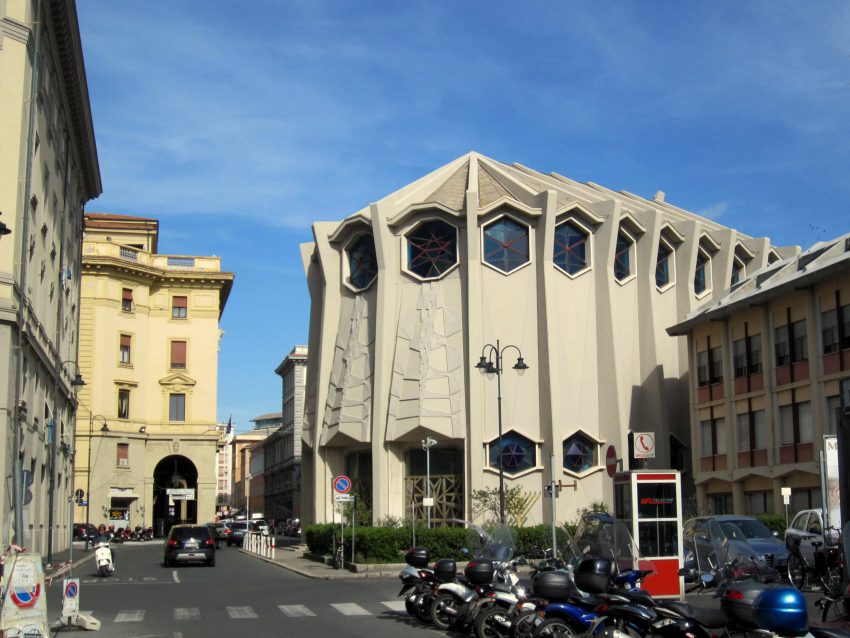
The Synagogue of Livorno (often referred to as the city's “new” synagogue) is a rare kind of landmark: unmistakably modern, yet rooted in centuries of Jewish life that helped shape the city's identity. You'll find it near the historic centre at Piazza Elia Benamozegh, on the same site as the grand seventeenth-century synagogue that was destroyed during World War II. Even if you only catch the exterior, the architecture is memorable-bold concrete forms designed to evoke a “tent” motif, creating a space that feels both protective and light.
If you enjoy weaving meaningful stops into a day on foot, this is an excellent add-on to a Livorno walking tour through the historic centre and the Venezia Nuova canal district, especially if you like architecture with real cultural context. Because access is typically by guided visit and appointment, it's the sort of place that rewards a little planning-and then pays you back with details you'd never notice from the street.
Table of Contents
- History and Significance of the Synagogue of Livorno
- Things to See and Do in the Synagogue of Livorno
- Practical Tips on Visiting the Synagogue of Livorno
- Where to Stay Close to the Synagogue of Livorno
- Is the Synagogue of Livorno Worth Visiting?
- For Different Travelers
- FAQs for Visiting Synagogue of Livorno
- Nearby Attractions to the Synagogue of Livorno
History and Significance of the Synagogue of Livorno
Livorno's Jewish community expanded rapidly after late sixteenth-century Medici policies encouraged merchants and families-many with Sephardic roots-to settle and trade in the port city. Unlike many Italian cities, Livorno did not develop a mandatory ghetto system, and Jewish life became tightly woven into commerce, culture, and civic identity. The original monumental synagogue, celebrated for its scale and splendour, stood as a visible marker of that prominence for centuries.
That history was violently interrupted during World War II, when bombing devastated large parts of Livorno and destroyed the historic synagogue. In the postwar period, the community rebuilt not by recreating the old building, but by commissioning a forward-looking design completed in 1962. The result is the Synagogue of Livorno you see today: modernist, symbolic, and intentionally different-an architectural statement about continuity after loss.
Inside, guided visits typically focus on how the building’s plan and symbolism shape the worship space and visitor experience. Even without leaning on ornament, the synagogue communicates through light, geometry, and a sense of deliberate restraint-an approach that makes the story of survival and renewal feel immediate rather than purely historical.
Things to See and Do in the Synagogue of Livorno
Start with the exterior form, which is part of the experience: the synagogue’s tent-like silhouette is designed to reference the biblical “Tent of Meeting,” and it stands out sharply against the surrounding urban fabric. Spend a minute walking around the perimeter to appreciate how the structure changes as angles shift-this is one of those buildings that photographs differently from every corner.
On a guided visit, the interior is where the symbolism becomes clearer. Expect to hear about the layout of the main hall, how the community rebuilt its ritual life after the war, and how older elements and traditions were carried into a new architectural language. Guides often highlight how the synagogue functions as both an active religious site and a keeper of memory for a community that once played an outsized role in the city.
If you're building a small theme route, pair the synagogue with nearby Livorno highlights that show the city's layered identity-canals, markets, and port-facing streets where the “merchant city” character still comes through. It's a strong stop for travelers who like places that reward curiosity more than quick photo-checklists.
Practical Tips on Visiting the Synagogue of Livorno
- Entrance fee: €10.00 per person (guided visit; booking required).
- Opening hours: By appointment only.
- Official website: http://www.amarantaservice.it
- Best time to visit: Aim for a weekday visit arranged in advance, when scheduling is usually simpler and the surrounding centre feels calmer for a slow walk before or after.
- How long to spend: Plan around 45-75 minutes for the guided visit, then add extra time if you want to linger nearby for cafés, canals, or a market detour.
- Accessibility: Access conditions can vary by the specific areas included in the visit, so mention any mobility needs when booking to confirm the easiest route and entry point.
- Facilities: Treat this as a booked cultural visit rather than a drop-in attraction; facilities are limited on-site, but you’ll find plenty of cafés and rest stops within a short walk.
Where to Stay Close to the Synagogue of Livorno
For a culture-heavy itinerary, base yourself in or near Livorno’s historic centre so you can walk between the synagogue, canals, markets, and the main sights without relying on taxis or buses.
If you want classic comfort with easy access to both the centre and the waterfront, consider Grand Hotel Palazzo, which works well for travelers who like sea views and a more resort-like feel after sightseeing. For a central, practical stay close to the heart of town, Hotel Gran Duca puts you within easy walking distance of many historic streets and landmarks. If you prefer a stylish, apartment-style option that suits longer stays or a slower pace, Agave in Città is a strong base near the canals and dining spots.
Is the Synagogue of Livorno Worth Visiting?
Yes-especially if you like modern architecture with real historical weight behind it, and if you’re interested in Livorno’s uncommon story of Jewish life flourishing in a port city shaped by trade and relative tolerance. The building’s design is distinctive enough to justify the stop, and the guided context tends to turn “interesting” into “memorable.”
Honest pivot: if you only enjoy attractions you can drop into spontaneously, this can frustrate-visits are typically by appointment and depend on availability. It can also be less satisfying for travelers who prefer heavily decorated interiors over modernist, light-and-form design.
What Other Travellers Say...

Reviewers highlight the site’s historical significance and the story of Livorno’s Jewish community, noting the synagogue was rebuilt in the 1960s after WWII destruction and has strong symbolic value. Several mention the exterior as impressive, while opinions on the modern architecture are mixed. A recurring practical issue is access: entry can be restricted and typically requires arranging a private guided visit in advance. Those who visited the nearby museum found it worthwhile, with notable artifacts and informative guiding.


For Different Travelers
Families with Kids
This works best for families with older kids who can engage with a short guided visit and the idea of symbolism in architecture. Pair it with a nearby canals walk or a market stop so the day has movement and snacks built in.
Couples & Romantic Getaways
Couples who like quieter, meaningful stops will enjoy this as a short “culture pause” between cafés and waterfront strolls. The best move is to book a visit, then plan a relaxed loop through the centre afterward so the story of the place stays with you rather than feeling like a one-off appointment.
Budget Travelers
From a value perspective, this is most rewarding when you fold it into a walkable day of mostly free sights-canals, squares, churches, and street life-so the guided visit becomes the one paid cultural anchor. Keep your schedule flexible, because appointment-based visits can shift, and you’ll want an easy backup route nearby.
FAQs for Visiting Synagogue of Livorno
Getting There
Tickets & Entry
Visiting Experience
Tours, Context & Itineraries
Photography
Accessibility & Facilities
Nearby Attractions to the Synagogue of Livorno
- Venezia Nuova: Livorno's canal district, ideal for a scenic stroll and a “Little Venice” atmosphere without the crowds of bigger cities.
- Mercato Centrale: A lively indoor market where you can snack, browse local produce, and get a feel for everyday Livorno.
- Piazza Grande: The city’s main square area, rebuilt after wartime damage, and a useful hub for walking routes through the centre.
- Fortezza Nuova: A green, fort-ringed park space that's great for a calm break between urban sightseeing stops.
- Monumento dei Quattro Mori: Livorno's iconic statue near the old port, a classic photo stop and a quick history marker on a city walk.
The New Synagogue appears in our Complete Guide to Visiting Livorno!

Moira & Andy
Hey! We're Moira & Andy. From hiking the Camino to trips around Europe in Bert our campervan — we've been traveling together since retirement in 2020!
This website uses affiliate links which may earn a commission at no additional cost to you!
Planning Your Visit
By appointment only.
€10.00 per person (guided visit; booking required).
Nearby Attractions
- Duomo di Livorno (0.2) km
Cathedral, Church and Religious Building - Mercato Centrale (0.3) km
Market - Via Grande (0.4) km
Area, Street and Walk - Monumento Dei Quattro Mori (0.4) km
Memorial, Monument and Statue - Teatro Goldoni (0.5) km
Theatre - Fortezza Vecchia (0.5) km
Arts Venue, Castle and Historic Site - Piazza Della Repubblica (0.5) km
Area, Attraction and Square - Fortezza Nuova (0.5) km
Castle, Historic Site and Park - Porto Mediceo (0.5) km
Docks, Harbour and Port - Chiesa di Santa Caterina (0.6) km
Church, Historic Building and Religious Building