National Museum of Wrocław
Museum in Wrocław
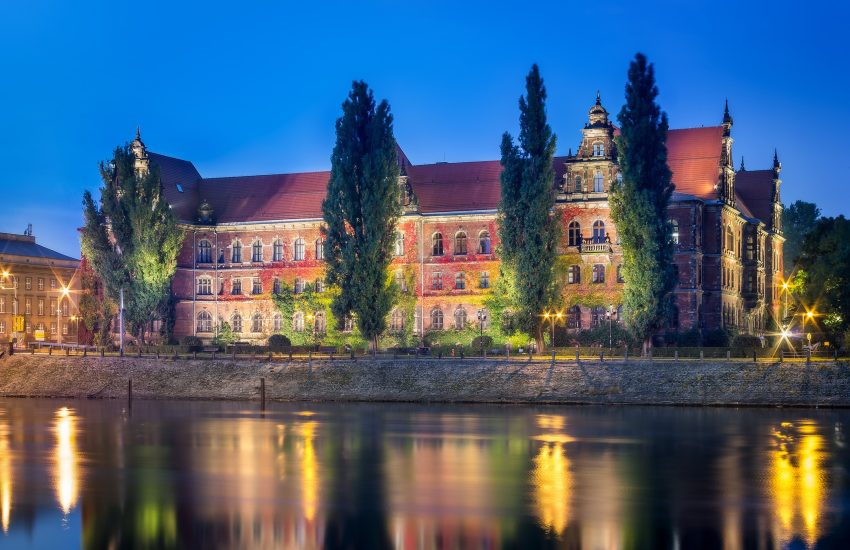
The National Museum in Wrocław (Muzeum Narodowe we Wrocławiu) is the city's most substantial “museum day” option: a confident, riverfront building with an ivy-covered façade and galleries that move from medieval sacred art through Silesian painting, decorative arts, and later works. It's close enough to the centre to feel effortless, but the collections are deep enough that you leave with a sharper understanding of what makes Wrocław and the wider region distinct.
If you're deciding where to invest your time beyond Rynek, this is one of the things to do in Wrocław that genuinely repays curiosity, especially when you want a break from cobbles and crowds. It also fits neatly into a walking tour of Wrocław, because you can stitch it between the riverside boulevards, Ostrów Tumski, and the Old Town without needing complicated logistics.
Table of Contents
- History and Significance of the National Museum in Wrocław
- Things to See and Do in the National Museum in Wrocław
- How to Get to the National Museum in Wrocław
- Practical Tips on Visiting the National Museum in Wrocław
- Where to Stay Close to the National Museum in Wrocław
- Is the National Museum in Wrocław Worth Visiting?
- For Different Travelers
- FAQs for Visiting National Museum in Wrocław
- Nearby Attractions to the National Museum in Wrocław
History and Significance of the National Museum in Wrocław
Founded in 1947, the National Museum became a key institution for making sense of a city whose identity has been shaped by shifting borders and cultural layers. In the post-war period, Wrocław needed places that could preserve and explain regional heritage, and the museum stepped into that role by building strong collections focused on Silesia while also connecting them to wider Polish and European art history.
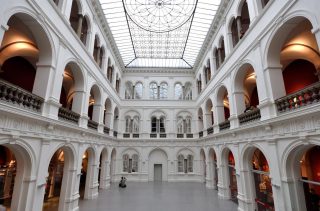
The building itself adds to the experience. Its grand, historic architecture and riverside setting give the museum a certain ceremonial weight, which suits collections that span centuries of patronage, faith, craft, and civic pride. Even before you read a single label, the space signals that this is one of Wrocław’s major cultural anchors.
What makes the museum especially valuable for travellers is how it bridges “art” and “place.” You are not only seeing beautiful objects; you are seeing how Silesia looked at itself and how its tastes evolved, which quietly improves every church, façade, and historic street you explore afterwards.
Things to See and Do in the National Museum in Wrocław
Begin with the Silesian art galleries, which are often the most immediately distinctive part of the visit. This is where the region’s medieval and early modern religious sculpture, painting, and craftsmanship feel rooted in local history rather than generic “European museum” material, and it helps you recognise motifs you’ll later spot around the city.
Next, give yourself time for the broader Polish and European sections and the decorative arts. These rooms are ideal when you enjoy the details that make periods feel real: furniture, textiles, small-scale objects, and the visual language of status and devotion. It is also a satisfying way to pace the visit, alternating big works with more intimate displays.
Finally, do not rush the setting. The Odra riverside location is part of the pleasure, so consider arriving a little early for a short walk outside, or leaving yourself five minutes at the end to step back out and reset your day before heading on to the Old Town.
How to Get to the National Museum in Wrocław
Copernicus Airport Wrocław (WRO) is the nearest airport, and the city centre is easy to reach by taxi or public transport connections. For the best deals and a seamless booking experience, check out these flights to Wrocław on Booking.com.
By train, you'll arrive at Wrocław Główny, then continue by tram, bus, taxi, or a walk depending on your luggage and the weather. You can easily check schedules and book tickets through the PKP Intercity website. However, for a smoother experience, we recommend using Omio, which simplifies the booking process and lets you compare prices and schedules all in one place.
The museum is central enough that many travellers simply walk in from the Old Town, especially if they combine it with riverside strolling or Ostrów Tumski.
If you’re travelling by car, plan for paid city parking and walk the last stretch rather than trying to stop directly outside the entrance. If you are looking to rent a car in Poland I recommend having a look at Discover Cars, first, as they compare prices and review multiple car rental agencies for you.
Practical Tips on Visiting the National Museum in Wrocław
- Entrance fee: 20 PLN (adult), 15 PLN (concession) for permanent exhibitions; permanent exhibitions are free on Saturdays (special exhibitions may be ticketed separately).
- Opening hours: Winter Season (October 1 – March 31):** - Monday: Closed - Tuesday–Friday: 10:00 AM – 4:00 PM - Saturday–Sunday: 10:00 AM – 5:00 PM Summer Season (April 1 – September 30): - Monday: Closed - Tuesday–Friday: 10:00 AM – 5:00 PM - Saturday–Sunday: 10:30 AM – 6:00 PM
- Official website: https://mnwr.pl/
- Best time to visit: Weekday late morning is ideal for a calmer pace, while Saturdays can be great if you want to focus on the permanent collections without feeling rushed.
- How long to spend: 2-3 hours works well for a highlights-led visit; art lovers can comfortably spend half a day by taking breaks between sections.
- Accessibility: Expect a large, multi-gallery layout; if stairs are a concern, plan your route around lifts and prioritise the sections you care about most.
- Facilities: Cloakroom/coat storage is typically available, and you’ll find the easiest café options a short walk away in the centre or near the river.
Where to Stay Close to the National Museum in Wrocław
For a culture-heavy itinerary, base yourself in the Old Town or the riverside centre so you can walk to museums and evening restaurants; if your priority is early departures and smooth transfers, staying near Wrocław Główny keeps logistics simplest.
If you want a refined, central stay with easy access to the river and museum district, Radisson Blu Hotel, Wrocław is a strong all-round choice. For a quieter riverside feel that still keeps you close to the centre, HP Park Plaza works well for relaxed evenings and walkable sightseeing. If you like boutique style and want the Old Town within an easy stroll, The Granary - La Suite Hotel makes a comfortable base for a museum-and-café itinerary.
Is the National Museum in Wrocław Worth Visiting?
Yes, especially if you want one stop that adds genuine context to the city. The collections are broad enough to feel substantial, but the strongest sections are rooted in Silesia, which gives the visit a “this could only be here” quality.
It is also a practical choice: central location, riverside setting, and a format that lets you tailor the experience. You can do a quick, satisfying highlights route or settle in for a slower, more thoughtful half-day.
What Other Travellers Say...

National Museum in Wrocław occupies an impressive 19th-century building and houses extensive collections of Polish and European art, including paintings, sculpture, crafts, photography, glassware, clothing and weapons, alongside changing temporary exhibitions (recently featuring Rubens and 1970s fashion) and displays about the Panorama Racławicka creation process; visitors note a free cloakroom, that entry to permanent exhibits can be free with a Panorama Racławicka ticket (or recent Panorama ticket), and that admission is free on Saturdays.


For Different Travelers
Families with Kids
This museum works best for families when you keep it structured and short, with clear goals like “three favourite artworks” or “one room each.” Alternating galleries with quick breaks keeps energy up and stops the visit from turning into a march.
If you’re visiting with younger children, focus on visually bold sections and anything that feels story-driven, then leave while the mood is still good. Pair it with a riverside walk afterwards so the day feels balanced between indoors and outdoors.
Couples & Romantic Getaways
For couples, the museum is a polished, calm contrast to the buzz of Rynek and the Old Town terraces. It's ideal when you want a shared experience that feels thoughtful and a little slower, especially on a cooler day.
A good rhythm is museum first, then a long walk along the river or toward Ostrów Tumski for atmosphere. It creates a natural “culture then stroll” flow that suits a city-break pace.
Budget Travelers
This is a strong value stop because you can shape it around free-access opportunities and still get a genuinely substantial cultural experience. Even without spending much, the building, setting, and permanent collections can anchor a full morning.
To keep costs down, plan your food and coffee around the Old Town rather than relying on museum-adjacent convenience. The museum's location makes it easy to combine with free walking routes along the river and through the historic centre.
History Buffs
If you care about regional identity and the way a city's story changes through time, this is one of the most rewarding places in Wrocław. The museum's Silesian focus helps you see how art and politics intertwine, especially in a region shaped by multiple cultural spheres.
Take your time with medieval and early modern sections, then use the later galleries to connect the “big shifts” to everyday material culture. You’ll come away reading the city’s churches, façades, and monuments with more precision.
FAQs for Visiting National Museum in Wrocław
Getting There
Tickets & Entry
Visiting Experience
Tours, Context & Itineraries
Photography
Accessibility & Facilities
Food & Breaks Nearby
Safety & Timing
Nearby Attractions to the National Museum in Wrocław
- Panorama of the Battle of Racławice: A distinctive, immersive art experience nearby that makes a strong second stop for a culture-heavy day.
- Ostrów Tumski: Wrocław's cathedral island area, ideal for a slower, atmospheric walk after museum time.
- University of Wrocław: A grand historic complex on the river that adds architectural variety to a central itinerary.
- Wrocław Market Square (Rynek): The city's main medieval square for colourful façades, cafés, and easy Old Town wandering.
- Oder River boulevards: A simple riverside walk that gives you a calmer counterpoint to the Old Town’s busy streets.
The National Museum of Wrocław appears in our Complete Guide to Visiting Wrocław!

Moira & Andy
Hey! We're Moira & Andy. From hiking the Camino to trips around Europe in Bert our campervan — we've been traveling together since retirement in 2020!
This website uses affiliate links which may earn a commission at no additional cost to you!
Planning Your Visit
Winter Season (October 1 - March 31):**
– Monday: Closed
– Tuesday-Friday: 10:00 AM - 4:00 PM
– Saturday-Sunday: 10:00 AM - 5:00 PM
Summer Season (April 1 - September 30):
– Monday: Closed
– Tuesday-Friday: 10:00 AM - 5:00 PM
– Saturday-Sunday: 10:30 AM - 6:00 PM
20 PLN (adult), 15 PLN (concession) for permanent exhibitions; permanent exhibitions are free on Saturdays (special exhibitions may be ticketed separately).
Nearby Attractions
- Raclawice Panorama (0.2) km
Gallery - Wroclaw Cathedral (0.4) km
Cathedral - Cathedral Island (0.4) km
Area and Island - Tumski Bridge (0.6) km
Bridge - Wroclaw Market Hall (0.6) km
Market - Museum of Natural History, Wrocław University (0.7) km
Museum - Cathedral of St. Mary Magdalene (0.9) km
Church - Wroclaw University Museum (1.0) km
Historic Building - The Pillory (1.1) km
Monument - Wroclaw’s Old Town (1.1) km
Area