Cagliari Archaeological Museum
Attraction and Museum in Cagliari
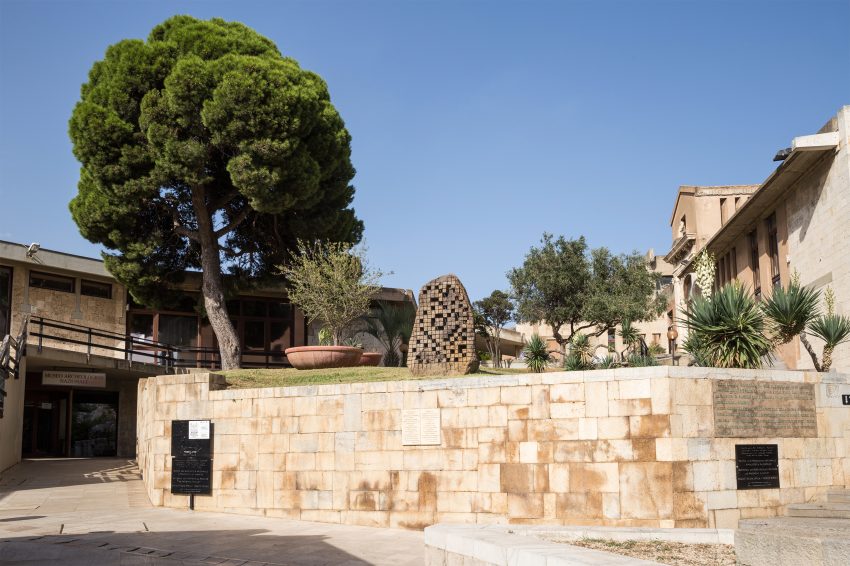
The Cagliari Archaeological Museum in the Castello district is the city's main archaeological museum, set inside the Cittadella dei Musei. It presents Sardinia's past through a large collection of artifacts arranged across several floors, with material ranging from prehistoric finds to objects from the Byzantine period.
What stands out here is the way the museum connects the island’s different civilizations in one visit: Neolithic figurines, Nuragic bronzes, Phoenician and Punic jewelry, Roman sculpture, and later religious objects. It works well for visitors who want a clear overview of Sardinia’s ancient history, and for anyone planning to visit sites such as Tharros, Nora, or Barumini afterward and wants the finds to make sense in context.
Table of Contents
- History and Significance of the National Archaeological Museum of Cagliari
- Things to See and Do in the National Archaeological Museum of Cagliari
- How to Get to the National Archaeological Museum of Cagliari
- Practical Tips on Visiting the National Archaeological Museum of Cagliari
- Where to Stay Close to the National Archaeological Museum of Cagliari
- Is the National Archaeological Museum of Cagliari Worth Visiting?
- For Different Travelers
- FAQs for Visiting National Archaeological Museum of Cagliari
History and Significance of the National Archaeological Museum of Cagliari
The National Archaeological Museum of Cagliari plays a central role in telling Sardinia's long timeline, from prehistoric communities to the island's place in wider Mediterranean networks. Because so many of Sardinia's most important archaeological sites are outside the city, the museum is where you can connect the dots and see how different eras overlap.
A major highlight is how the collection frames the Nuragic civilization, one of Sardinia’s defining ancient cultures. Seeing the small-scale bronzes and monumental stone works in context helps you understand what you might later encounter at sites such as Su Nuraxi or along the Sinis Peninsula.
The museum also helps explain Sardinia's strategic importance to Phoenician and Punic traders and, later, to Rome. Even if you're not a history specialist, the displays make it easy to grasp why Cagliari and its ports mattered for centuries.
Things to See and Do in the National Archaeological Museum of Cagliari
Start with the Nuragic sections: the intricate bronze figurines (often called bronzetti) are small but mesmerizing, and they’re the kind of objects you’ll remember long after your trip. Look out for displays that link artifacts to specific sites around the island, which makes day trips to places like Nora or Tharros feel more meaningful.
Don’t skip the Phoenician-Punic material, which gives a strong sense of Sardinia’s Mediterranean connections through trade, religion, and daily life. The museum’s layout is generally easy to follow, so you can move chronologically or simply focus on the rooms that match your interests.
If you’re traveling with kids or anyone who learns best hands-on, keep an eye out for interpretive elements that make the visit more interactive. It’s also a good museum for a “reset” day: a couple of hours here balances out a beach-heavy itinerary with something substantial.
How to Get to the National Archaeological Museum of Cagliari
The nearest airport is Cagliari Elmas Airport (CAG), which is the main gateway for flights into southern Sardinia. For the best deals and a seamless booking experience, check out these flights to Cagliari on Booking.com.
From the airport, you can reach Cagliari city by train via the Elmas Aeroporto station, then continue onward from Cagliari's main station toward the Castello area. Use Omnio to easily compare schedules, book train tickets, and find the best prices all in one place for a hassle-free journey across Italy.
If you're driving, aim for parking outside the tight Castello streets and walk up (or use lifts where available) to the Cittadella dei Musei near Piazza Arsenale. If you are looking to rent a car in Italy I recommend having a look at Discover Cars, first, as they compare prices and review multiple car rental agencies for you.
Practical Tips on Visiting the National Archaeological Museum of Cagliari
- Official website: https://museinazionalicagliari.cultura.gov.it/
- Entrance fee: Adults: €10; Reduced: €5; EU citizens 18–24: €2; Under 18: free. Free entry on the first Sunday of each month.
- Opening hours: Wednesday – Monday: 08:30–19:30. Tuesday: Closed. Ticket office closes at 18:45.
- Best time to visit: Go early for the quietest galleries, or visit in the hottest part of the day as a cool, indoor break from sightseeing in Castello.
- How long to spend: Plan 1.5-2.5 hours for a satisfying visit; add time if you like reading labels closely or want a slower pace.
- Accessibility: The museum is in the Castello district, which has slopes and steps; once inside, the visit is generally manageable, but plan your approach route carefully.
- Facilities: Expect standard museum basics like restrooms and ticketing on site; it’s a good idea to bring water, especially if you’re walking up from the lower city.
Where to Stay Close to the National Archaeological Museum of Cagliari
Base yourself in or just below the Castello district for the easiest walk to the museum and the best access to Cagliari’s historic sights.
Hotel Flora A polished, central option near the marina and an easy uphill ride or walk to Castello, great if you want comfort plus quick access to restaurants.
Palazzo Doglio A stylish, higher-end stay with an “urban resort” feel; ideal if you want a memorable hotel experience after museum and old-town exploring.
T Hotel A modern, dependable choice with strong amenities, useful if you prefer contemporary rooms and easy transport links around the city.
Hotel Regina Margherita Well-placed for a classic Cagliari stay between the historic center and waterfront, convenient for combining museums with evening strolls.
UNAHOTELS T Hotel Cagliari A practical pick for travelers who want consistent service standards and a straightforward base for day trips to Nora, beaches, and beyond.
Is the National Archaeological Museum of Cagliari Worth Visiting?
Yes, especially if you want to understand what makes Sardinia distinct from mainland Italy. It's one of those museums that upgrades the rest of your trip: archaeological sites, coastal ruins, and even place names start to make more sense once you've seen the objects and timelines laid out clearly.
Honest Pivot: If you strongly dislike museums or you're in Cagliari for a very short stop focused purely on viewpoints, food, and the beach, you might skip it. In that case, consider spending your limited time on a Castello walking loop and saving archaeology for a single outdoor site like Nora.
What Other Travellers Say...
Visitors rate the museum very highly for its rich, well-presented overview of Sardinia's long history, with special praise for Nuragic-era highlights and memorable ancient sculptures. Many reviewers say it's a must-see in Cagliari, good value for money, and easy to follow thanks to clear displays (often noted as friendly for international visitors). A few mention that some areas may be under renovation or that you'll want more time than expected if you like reading and lingering, and free-entry days can be busier.





For Different Travelers
The museum works well as a flexible “choose your own depth” visit: you can do a brisk highlights loop or slow down and read your way through Sardinia’s long story. It’s also a smart option when weather turns hot, windy, or rainy.
Families with Kids
For families, the biggest win is that the museum isn’t overwhelming in size, so kids can stay engaged without hitting a wall. Focus on the most visually striking rooms first, then circle back if attention spans allow.
Pair the visit with a short Castello walk afterward so kids can “reset” outdoors. If you’ve already visited Nora or Tharros, the museum becomes a fun recognition game: “We saw that style of column” or “That’s what the guide meant.”
Couples & Romantic Getaways
For couples, this is a great daytime culture stop before an aperitivo along the waterfront. The setting in Castello also makes it easy to turn the visit into a slow, scenic wander through historic streets.
If you like shared experiences with a bit of meaning, the museum adds context to day trips and makes the island feel more layered than a typical sun-and-sea break. It’s a calm, conversation-friendly visit.
Budget Travelers
Budget travelers will appreciate that the museum delivers a lot of value in a single ticket, especially compared with piecing together multiple smaller attractions. It’s also a good way to spend a half-day without paying for transportation to a far-off site.
If your timing is flexible, look for free-entry opportunities (such as the first Sunday of the month) and build your itinerary around that. Bring a snack and water so you can keep costs down while exploring Castello on foot.
History Buffs
History buffs should treat this as the anchor museum for southern Sardinia. The Nuragic material alone can justify the visit, and it's the best place to build a mental map before heading to major sites around the island.
To go deeper, visit after (or before) a guided tour at Nora or a trip toward Barumini, so you can connect artifacts to landscapes. You’ll leave with a clearer sense of Sardinia’s role in Mediterranean history.
FAQs for Visiting National Archaeological Museum of Cagliari
Getting There
Tickets & Entry
Visiting Experience
Tours, Context & Itineraries
Photography
Accessibility & Facilities
Food & Breaks Nearby
Safety & Timing
The Cagliari Archaeological Museum appears in our Complete Guide to Visiting Cagliari!

Moira & Andy
Hey! We're Moira & Andy. From hiking the Camino to trips around Europe in Bert our campervan — we've been traveling together since retirement in 2020!
This website uses affiliate links which may earn a commission at no additional cost to you!
Planning Your Visit
Wednesday - Monday: 08:30-19:30.
Tuesday: Closed.
Ticket office closes at 18:45.
Adults: €10; Reduced: €5; EU citizens 18-24: €2; Under 18: free. Free entry on the first Sunday of each month.
Nearby Attractions
- Cittadella dei Musei (0) km
Gallery, Museum and Viewing Point - Torre di San Pancrazio (0.1) km
Historic Site, Monument and Tower - Giardini Pubblici (0.2) km
Gardens and Park - Palazzo Regio (0.3) km
Historic Building, Historic Site and Palace - Cattedrale di Santa Maria Assunta e Santa Cecilia (0.4) km
Cathedral, Church and Religious Building - Galleria Comunale d'Arte (0.4) km
Arts Venue, Gallery and Museum - Roman Amphitheatre of Cagliari (0.4) km
Amphitheatre, Historic Site and Roman Site - Cripta di Santa Restituta (0.5) km
Attraction, Cave and Historic Site - Civic Market of San Benedetto (0.5) km
Attraction, Bazaar and Market - Torre dell'Elefante (0.5) km
Historic Site, Monument and Tower