Museum of the Resistance and Deportation of Isère, Grenoble
Historic Site, Memorial and Museum in Grenoble
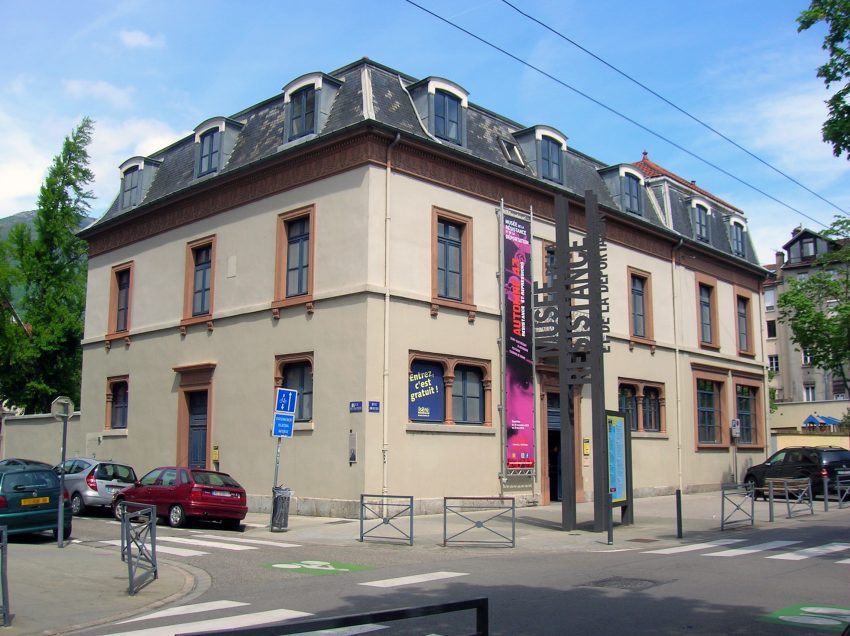
The Museum of the Resistance and Deportation of Isère in Grenoble is a history museum focused on World War II, with an emphasis on local experience in the Isère region. Set in the city center near Place de Verdun, it presents the occupation, Resistance, deportation, and liberation through documents, photographs, objects, and carefully arranged displays.
The museum matters because it links major wartime events to the choices made by ordinary people in Grenoble and across Isère. Visitors notice a restrained, reflective presentation that is more about context and memory than spectacle. It suits travelers interested in WWII history, civic questions, and museums that reward close reading. The subject matter is serious, so it is better for older children, teens, and adults who are comfortable with difficult themes.
Table of Contents
- History and Significance of the Museum of the Resistance and Deportation of Isère
- Things to See and Do in the Museum of the Resistance and Deportation of Isère
- How to Get to the Museum of the Resistance and Deportation of Isère
- Practical Tips on Visiting the Museum of the Resistance and Deportation of Isère
- Where to Stay Close to the Museum of the Resistance and Deportation of Isère
- Is the Museum of the Resistance and Deportation of Isère Worth Visiting?
- For Different Travelers
- FAQs for Visiting Museum of the Resistance and Deportation of Isère
History and Significance of the Museum of the Resistance and Deportation of Isère
Grenoble and the surrounding Isère department played a major role in the French Resistance, shaped by the region's geography, networks, and the realities of occupation. The museum's mission is to connect national history to local lives, showing how ordinary people navigated propaganda, repression, clandestine action, and the consequences of resistance.
What makes this museum especially significant is its focus on choices and lived experience: how people became involved, what risks they took, and how the machinery of persecution and deportation affected families and communities. Rather than treating WWII as distant history, the museum frames it as a set of human decisions with lasting moral weight.
It also serves as a place of remembrance, encouraging visitors to reflect on civil liberties, state power, and the fragility of democratic institutions. Even if you’ve visited larger WWII museums elsewhere in France, the local lens here adds a different, often more personal dimension.
Things to See and Do in the Museum of the Resistance and Deportation of Isère
Start with the permanent galleries, which guide you through the occupation period and the development of resistance networks in Isère. Expect a mix of documents, photographs, objects, and interpretive panels that build a clear narrative without feeling like a textbook.
One of the most memorable parts for many visitors is the museum’s use of sound and visual installations to create atmosphere and emotional impact. These sections can be intense, but they’re also where the museum’s storytelling feels most immediate and thought-provoking.
If you have time, look for temporary exhibitions or special displays that add detail on specific themes (local figures, clandestine press, daily life, or deportation routes). The museum is compact enough to stay focused, but layered enough that you’ll keep noticing new details as you move between levels.
How to Get to the Museum of the Resistance and Deportation of Isère
The nearest major airports are Lyon-Saint Exupéry (LYS) and Grenoble Alpes Isère Airport (GNB), with Geneva Airport (GVA) also a common option for international arrivals. For the best deals and a seamless booking experience, check out these flights to Grenoble on Booking.com.
Grenoble is well connected by rail, and arriving at Grenoble Gare is often the easiest way to reach the city center without a car. You can use SNCF Connect to check schedules, compare routes, and purchase tickets for National (SNCF ) and regional trains (TER). For a more streamlined experience, we recommend using Omio, which allows you to easily compare prices, schedules, and book tickets for both National and Regional travel across all of Europe, all in one place.
If you're driving, Grenoble is accessible via major motorways and you can use central paid parking near Place de Verdun, then walk a few minutes to the entrance. If you are looking to rent a car in France I recommend having a look at Discover Cars, first, as they compare prices and review multiple car rental agencies for you.
Practical Tips on Visiting the Museum of the Resistance and Deportation of Isère
- Official website: https://musees.isere.fr/musee/musee-de-la-resistance-et-de-la-deportation-de-lisere
- Entrance fee: Free.
- Opening hours: Tuesday – Sunday: 10:00–18:00. Closed on Monday. Closed on January 1, January 20, May 1, December 25.
- Best time to visit: Late morning on a weekday is ideal for a quieter, more reflective visit. In summer, go earlier in the day to avoid the hottest hours.
- How long to spend: Plan for 1.5-2 hours to do the permanent displays at a comfortable pace. If you like reading exhibits closely, budget closer to 2-2.5 hours.
- Accessibility: The museum is spread across multiple levels, but it is set up to accommodate visitors with reduced mobility. If you use mobility aids, allow a little extra time for moving between floors.
- Facilities: Expect basic visitor amenities and a small shop presence typical of a departmental museum. For a full meal or longer break, you’ll find plenty of cafés within a short walk.
Where to Stay Close to the Museum of the Resistance and Deportation of Isère
Base yourself in central Grenoble (around Place de Verdun, Victor Hugo, or the old town) for the easiest walking access to museums, restaurants, and tram connections.
OKKO Hotels Grenoble Jardin Hoche A smart, modern option close to the center, great for travelers who want comfort and a polished, contemporary feel after museum-heavy days.
Park Hôtel Grenoble - MGallery A stylish stay beside Parc Paul Mistral, ideal if you want a quieter, greener setting while still being a short walk from the museum.
Hôtel d’Angleterre Grenoble A classic central choice near shopping streets and cafés, convenient for building an easy walkable itinerary around the city’s main sights.
Le Grand Hôtel Grenoble, BW Premier Collection Right in the heart of town, perfect if you want to step out the door into Grenoble’s most lively pedestrian areas and tram links.
Ibis Grenoble Centre Bastille A practical, good-value base near the old town and the river, handy for combining the museum with evening strolls and casual dining.
Is the Museum of the Resistance and Deportation of Isère Worth Visiting?
Yes, it's absolutely worth visiting if you want a meaningful, well-presented look at WWII through Grenoble and Isère's lived experience. The museum is engaging without being sensational, and it leaves most visitors with a clearer understanding of how resistance formed and what deportation meant on a human level.
Honest Pivot: If you’re traveling with very limited time and prefer light, scenic attractions over heavy historical themes, you may want to prioritize Grenoble’s viewpoints, parks, and food scene instead. It’s also not the best fit if you’re looking for a highly interactive, kid-first museum experience.
What Other Travellers Say...
Google reviewers rate this museum very highly and consistently describe it as moving, informative, and exceptionally well curated. Visitors highlight the strong focus on local WWII history, impactful audio-visual installations, and a clear layout across multiple levels, with some English content available alongside French. The most common downside mentioned is comfort on very hot days (including occasional issues with air conditioning), and a few note that much of the interpretation is primarily in French.





For Different Travelers
This museum works best for travelers who enjoy story-driven history and are comfortable with serious subject matter. Because it’s centrally located and free to enter, it’s also easy to add as a high-value stop between other city highlights.
Families with Kids
For older kids and teens, the museum can be a powerful way to discuss WWII, civic courage, and the consequences of authoritarianism. The key is pacing: choose a few sections to focus on rather than trying to read everything.
For younger children, some themes may be too intense, and the visit can feel text-heavy. Consider pairing it with a nearby park stop afterward to reset the mood.
Couples & Romantic Getaways
This isn't a romantic attraction in the classic sense, but it can be a meaningful shared experience, especially if you enjoy cultural travel and thoughtful conversation. It also pairs well with a slow afternoon in central Grenoble-museum first, then coffee or wine nearby.
If your trip is centered on relaxation and scenery, treat this as a short, intentional visit rather than a long deep-dive. You’ll still come away with a strong sense of place.
Budget Travelers
Free entry makes this one of the best-value activities in Grenoble, especially on days when you want an indoor plan. It's also walkable from many central hostels and budget hotels, so you can keep transportation costs low.
To stretch your day, combine it with other nearby free or low-cost sights and a picnic-style lunch from a bakery. You’ll get a full, satisfying itinerary without spending much.
History Buffs
If you’re interested in WWII, resistance movements, or the Vichy period, this museum is a must. The local framing adds nuance you won’t get from broader national narratives, and the exhibits reward careful reading.
Consider pairing it with other Grenoble museums to build a fuller picture of the region's identity. You'll leave with both historical detail and a stronger emotional understanding of the era.
FAQs for Visiting Museum of the Resistance and Deportation of Isère
Getting There
Tickets & Entry
Visiting Experience
Tours, Context & Itineraries
Photography
Accessibility & Facilities
Food & Breaks Nearby
Safety & Timing
The Museum of the Resistance and Deportation of Isère appears in our Complete Guide to Visiting Grenoble!

Moira & Andy
Hey! We're Moira & Andy. From hiking the Camino to trips around Europe in Bert our campervan — we've been traveling together since retirement in 2020!
This website uses affiliate links which may earn a commission at no additional cost to you!
Planning Your Visit
Tuesday - Sunday: 10:00-18:00.
Closed on Monday.
Closed on January 1, January 20, May 1, December 25.
Free.
Nearby Attractions
- Halle Sainte-Claire (0.4) km
Market - Musee de l'Ancien Eveche (0.4) km
Historic Building, Historic Site and Museum - Catedral de Notre Dame (0.4) km
Cathedral and Religious Building - Roman Walls of Grenoble (0.5) km
Roman Site - Rue Lafayette (0.5) km
Area, Street and Walk - Appartement Natal de Stendhal (0.5) km
Historic Building, Historic Site and Museum - Musee de Grenoble (0.5) km
Museum - Paul Mistral Park (0.5) km
Attraction, Gardens and Park - Grande Rue (0.6) km
Area, Street and Walk - Musee Stendhal (0.6) km
Museum