Museum of Croatian Archaeological Monuments, Split
Attraction, Historic Site and Museum in Split
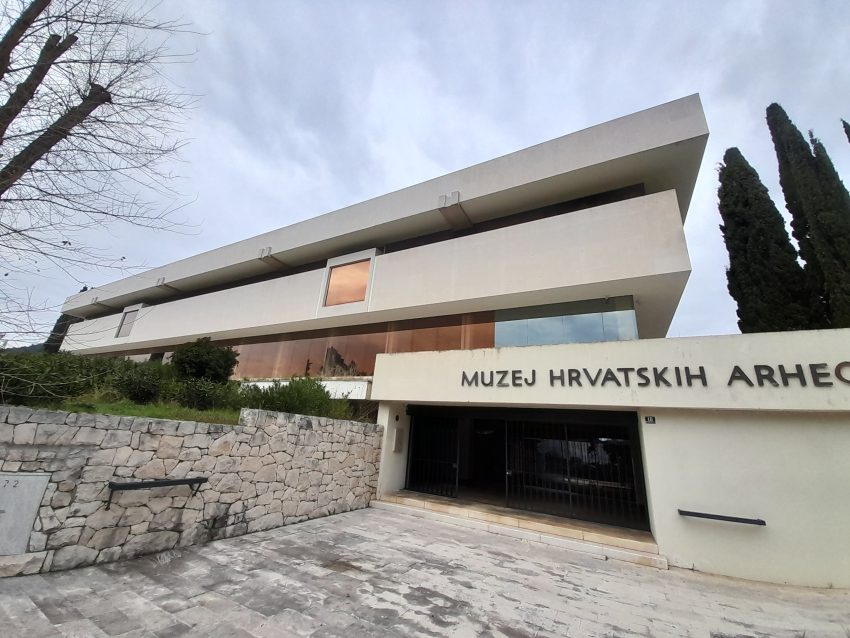
The Museum of Croatian Archaeological Monuments sits on Split's scenic western edge, close to the Meštrović waterfront promenade, and focuses on Croatia's early medieval story through stone carvings, inscriptions, and small finds. It's a quieter counterpoint to the crowds inside Diocletian's Palace, and it can work well as a purposeful detour if you enjoy history beyond the Roman era.
If you're exploring Split on a self-guided walking tour, pair the museum area with a stroll along the coastal paths toward the Meštrović Gallery and the Marjan hill viewpoints. It's also a good “in-between” stop when you want something cultural that's away from the busiest lanes of the Old Town.
Table of Contents
- History and Significance of the Museum of Croatian Archaeological Monuments
- Things to See and Do in the Museum of Croatian Archaeological Monuments
- How to Get to the Museum of Croatian Archaeological Monuments
- Practical Tips on Visiting the Museum of Croatian Archaeological Monuments
- Where to Stay Close to the Museum of Croatian Archaeological Monuments
- Is the Museum of Croatian Archaeological Monuments Worth Visiting?
- For Different Travelers
- FAQs for Visiting Museum of Croatian Archaeological Monuments
- Nearby Attractions to the Museum of Croatian Archaeological Monuments
History and Significance of the Museum of Croatian Archaeological Monuments
Founded to research and present Croatian medieval heritage, the Museum of Croatian Archaeological Monuments is best known for material connected to the early Croatian state and the wider Adriatic world from roughly the 7th to 15th centuries. Its mission is quite specific: to collect, study, and interpret the tangible traces of medieval Croats, especially the formative centuries when identity, rulership, and church life were taking shape.
What makes the museum significant is its emphasis on stone monuments and epigraphy. In Dalmatia, fragments of church furnishings, carved panels, and inscribed stones are not just “decorative”—they’re primary historical documents that preserve names, titles, and artistic styles that help date sites and reconstruct lost buildings.
Even if you've already visited Roman Split, this museum adds a different layer: the medieval transition from the late antique world into a distinctly Croatian cultural landscape. It's a helpful bridge between what you see in the Palace and what you might day-trip to in nearby early medieval sites.
Things to See and Do in the Museum of Croatian Archaeological Monuments
Start with the larger stone pieces and architectural fragments, which are often the most visually striking: carved reliefs, church stonework, and sarcophagus elements that hint at how medieval sacred spaces once looked. Look for recurring interlace patterns and figural motifs—these are key signatures of early medieval Adriatic carving traditions.
Next, spend time with the smaller collections if they’re on display: coins, jewelry, and everyday objects that make the period feel more human and less abstract. Many visitors highlight the numismatic material as a standout because it quickly shows trade links and political shifts over time.
If you’re traveling with kids, ask on arrival whether there are any family-oriented activities or hands-on elements available during your visit. When the museum is operating fully, it can be a calm, manageable-size museum experience that’s easier for families than larger, more crowded institutions.
How to Get to the Museum of Croatian Archaeological Monuments
The nearest major airport is Split Airport (SPU), with additional options via Zadar Airport (ZAD) if you're combining destinations along the coast. For the best deals and a seamless booking experience, check out these flights to Split on Booking.com.
Split is connected by rail to other Croatian cities, but trains are generally slower than buses on many routes; if you're arriving by train, plan onward local transport (taxi, rideshare, or bus) from Split's main station near the ferry port. Train schedules and bookings can be found on Omio.
By car, the museum area is reachable via city roads from central Split, and it can be convenient if you're already driving the coast and want to combine it with stops around Marjan.
Practical Tips on Visiting the Museum of Croatian Archaeological Monuments
- Official website: https://www.mhas-split.hr/en
- Entrance fee: Free.
- Opening hours: Monday – Friday: 09:00–13:00 & 17:00–20:00. Saturday: 09:00–13:00. Closed on Sunday. Note: Temporarily closed due to energy renovation works (from November 12, 2024, until further notice).
- Best time to visit: Go earlier in the day for a quieter experience and to avoid the hottest part of summer, especially if you’re walking from the center.
- How long to spend: Plan 45–90 minutes for a focused visit; add extra time if you like reading labels and comparing styles across periods.
- Accessibility: The museum is described as disabled-friendly; still, it’s worth confirming any temporary access changes if renovation work is ongoing.
- Facilities: Expect a straightforward museum setup; if you want a full café break, plan to do that before or after in the Meštrović/Marjan area.
Where to Stay Close to the Museum of Croatian Archaeological Monuments
Base yourself in central Split (around Diocletian's Palace and the waterfront) for the easiest mix of sights, dining, and transport connections.
Hotel Park Split A classic choice near Bačvice Beach with a polished feel—great if you want a comfortable, full-service stay and easy access to both the Old Town and seaside walks.
Cornaro Hotel A strong all-rounder for first-timers: central location for walking tours, modern rooms, and a convenient base for early starts and late dinners.
Hotel Vestibul Palace A memorable boutique option inside the historic core—ideal if you want to sleep in the atmosphere of the Palace and keep everything walkable.
Hotel Marmont Heritage A stylish heritage stay close to the Riva promenade—excellent for couples who want charm, location, and easy evening strolls.
Radisson Blu Resort & Spa, Split Best if you prefer a resort-style setup with spa facilities and sea views, while still being a short ride from the museum and the Old Town.
Is the Museum of Croatian Archaeological Monuments Worth Visiting?
Yes—if you're curious about medieval Croatia, early church art, inscriptions, and the “missing chapter” between Roman Split and later Venetian-era Dalmatia, it's a rewarding stop. It's also appealing if you like calmer museums where you can move at your own pace without heavy crowds.
Honest Pivot: if you're short on time and mainly want Split's headline sights (Diocletian's Palace, the Cathedral area, the Riva, and a viewpoint), you may prefer to skip this and focus on the Old Town. Some visitors also find the displays uneven at times, so it's best for travelers who are comfortable with a more specialized, sometimes low-key museum experience.
What Other Travellers Say...

Reviews are broadly positive overall (4.4/5 from 362 ratings), with many travelers calling it a worthwhile stop if you have extra time in Split and praising highlights like coins and major stone pieces. Visitors also mention learning about key historical figures and appreciate the calm, uncrowded feel; some families note a good experience with engaging elements and polite staff. The main criticisms are that parts of the museum can feel sparse or under-explained, with occasional comments about the presentation and comfort in summer.


For Different Travelers
This museum can fit very different itineraries depending on what you want from Split: a deep-dive into medieval heritage, a quieter cultural break, or a short add-on to a coastal walk near Marjan.
Families with Kids
For families, the museum can be a calmer alternative to the busiest Old Town attractions, with space to move and a manageable visit length. If children enjoy “treasure hunt” style visits, focus on coins, carved symbols, and any reconstructed pieces that spark imagination.
Plan a simple route: museum visit first, then a walk outside toward the waterfront paths for a reset. That mix of indoor and outdoor time usually works better than stacking multiple museums back-to-back.
Couples & Romantic Getaways
Couples who like slower travel will appreciate pairing the museum with a scenic stroll along the Meštrović promenade and a sunset viewpoint on Marjan. It's a nice way to see a more local-feeling side of Split beyond the main tourist lanes.
If your trip is more about atmosphere than checklists, treat the museum as a “quiet hour” between long lunches and evening plans. It’s especially satisfying if you enjoy art details like carving patterns and inscriptions.
Budget Travelers
Budget travelers often like this stop because it can be excellent value, and it’s easy to combine with free coastal walks nearby. Walking here from the center also doubles as sightseeing, so you can skip extra transport costs.
If you're prioritizing the best free or low-cost experiences in Split, build a day around walking: Old Town in the morning, museum area and Marjan in the afternoon, and a simple picnic-style break with views.
History Buffs
History buffs will get the most out of the museum’s medieval focus—especially if you’re interested in early Croatian rulers, church history, and how identity formed along the Adriatic. The stone monuments and inscriptions are the kind of material that rarely gets center stage in more general museums.
To deepen the context, connect what you see here with nearby sites and collections in Split and Solin (Salona). That way, you'll experience a fuller timeline: Roman foundations, early medieval transformation, and later urban life.
FAQs for Visiting Museum of Croatian Archaeological Monuments
Getting There
Tickets & Entry
Visiting Experience
Tours, Context & Itineraries
Photography
Accessibility & Facilities
Food & Breaks Nearby
Safety & Timing
Nearby Attractions to the Museum of Croatian Archaeological Monuments
- Ivan Meštrović Gallery: A must for sculpture lovers, set in a beautiful coastal villa-like complex.
- Kašjuni Beach: A popular beach tucked under Marjan, great for a swim after sightseeing.
- Marjan Forest Park: Split’s green escape with walking trails and panoramic viewpoints.
- Diocletian's Palace: The city's iconic Roman core, packed with lanes, courtyards, and everyday life.
- Cathedral of Saint Domnius: A standout historic landmark where you can climb for views over the Old Town.
The Museum of Croatian Archaeological Monuments appears in our Complete Guide to Visiting Split!

Moira & Andy
Hey! We're Moira & Andy. From hiking the Camino to trips around Europe in Bert our campervan — we've been traveling together since retirement in 2020!
This website uses affiliate links which may earn a commission at no additional cost to you!
Planning Your Visit
Monday - Friday: 09:00-13:00 & 17:00-20:00.
Saturday: 09:00-13:00.
Closed on Sunday.
Note: Temporarily closed due to energy renovation works (from November 12, 2024, until further notice).
Free.
Nearby Attractions
- Natural History Museum and the Zoological Garden (0.5) km
Animal Sanctury, Museum and Zoo - Prokurative (1.2) km
Courtyard, Historic Building and Square - Fruit's Square (1.4) km
Historic Site, Monument and Square - Riva Harbor (1.4) km
Area, Harbour and Promenade - People's Square (1.4) km
Area, Historic Site and Square - Bronze Gate (1.4) km
Attraction, City Gate and Historic Site - Iron Gate and Church of Our Lady of the Bell Tower (1.4) km
Church, City Gate and Historic Site - Ethnographic Museum (1.5) km
Attraction, Historic Building and Museum - Temple of Jupiter (1.5) km
Historic Site, Religious Building and Roman Site - Vestibule (1.5) km
Courtyard, Historic Room and Historic Site