Museum of Ancient Art, Aarhus
Museum in Aarhus
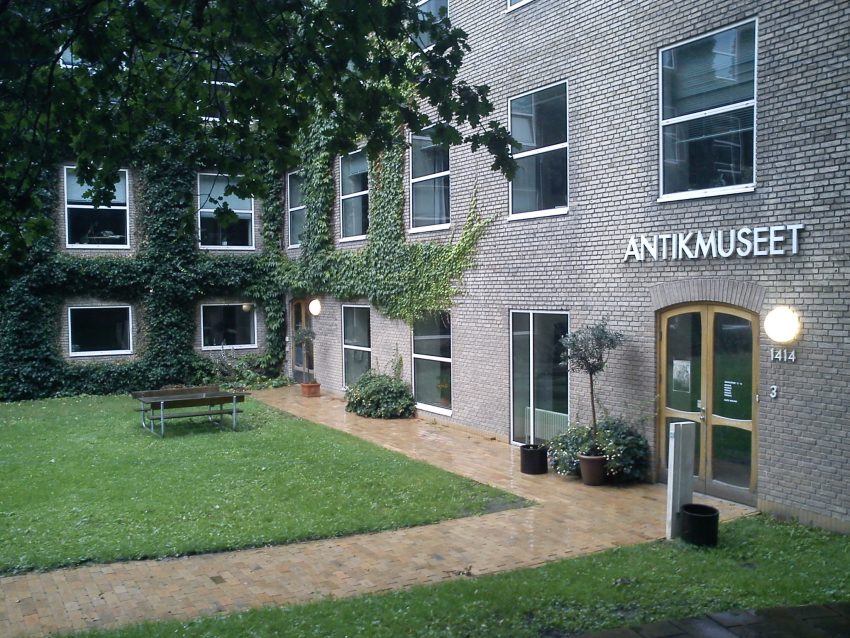
Museum of Ancient Art, Aarhus is a small, specialist museum in Aarhus, Denmark, dedicated to the ancient Mediterranean world and the long arc of classical culture. It's the kind of place that rewards slow looking: pottery, sculpture, and everyday objects that make antiquity feel human rather than abstract.
You'll find it in the university area of Aarhus, making it an easy add-on to a day of city sightseeing. Because it's more intimate than the city's big headline museums, it works especially well as a quiet, thoughtful break between busier neighborhoods and attractions.
Table of Contents
- History and Significance of the Museum of Ancient Art, Aarhus
- Things to See and Do in the Museum of Ancient Art, Aarhus
- How to Get to the Museum of Ancient Art, Aarhus
- Practical Tips on Visiting the Museum of Ancient Art, Aarhus
- Where to Stay Close to the Museum of Ancient Art, Aarhus
- Is the Museum of Ancient Art, Aarhus Worth Visiting?
- For Different Travelers
- FAQs for Visiting Museum of Ancient Art, Aarhus
- Nearby Attractions to the Museum of Ancient Art, Aarhus
History and Significance of the Museum of Ancient Art, Aarhus
The Museum of Ancient Art in Aarhus is closely tied to academic life in the city, with roots in teaching collections and the study of classical archaeology and art history. That background shapes the experience: displays tend to emphasize context, materials, and how objects were used, not just how they look.
Its significance lies in bringing the ancient world into a modern Danish city in a tangible way. Instead of focusing only on famous masterpieces, it often highlights the texture of daily life in antiquity, from household vessels to funerary traditions and religious imagery.
For visitors, that means you’re not just “seeing old things” but getting a compact introduction to how ancient societies communicated status, belief, and identity through art and craft. It’s a strong complement to Aarhus’s broader cultural scene, especially if you like museums that feel curated for learning as well as enjoyment.
Things to See and Do in the Museum of Ancient Art, Aarhus
Start by scanning the galleries for the pieces that immediately pull you in, then circle back to read the labels more closely; this museum is best when you let one object lead you to the next. Look for works that show traces of use or repair, since they often tell the most relatable stories about real people.
If there are casts, fragments, or comparative displays, use them as a “how to look” guide: they can help you notice proportions, iconography, and the way ancient artists handled movement, drapery, and faces. Even a short visit can feel substantial if you focus on a few themes such as myth, burial, or domestic life.
To round out the experience, treat it like a mini-seminar: pick one era or region (for example, Greek, Roman, or Etruscan) and follow that thread through the rooms. You’ll leave with a clearer mental map of the ancient Mediterranean and how its visual language still echoes today.
How to Get to the Museum of Ancient Art, Aarhus
The nearest airports are Aarhus Airport (Tirstrup) and Billund Airport, with Copenhagen Airport as a major international alternative for longer-haul routes. For the best deals and a seamless booking experience, check out these flights to Aarhus on Booking.com. From elsewhere in Denmark, Aarhus is straightforward by rail, with frequent services into Aarhus Central Station and easy onward connections by bus, light rail, or taxi. Train schedules and bookings can be found on Omio. If you’re driving, Aarhus is well connected by motorway links from other Danish cities, and parking is generally easiest in signed garages rather than hunting for street spaces near the university area.
Practical Tips on Visiting the Museum of Ancient Art, Aarhus
- Entrance fee: Free
- Opening hours: Sunday - Wednesday: 12:00 – 4:00 PM; Thursday: 12:00 – 4:00 PM; Friday - Saturday: Closed
- Official website: http://www.antikmuseet.au.dk/
- Best time to visit: Weekday late mornings are usually calm, and you’ll have more space to read labels without feeling rushed.
- How long to spend: Plan 45-90 minutes for a satisfying visit; add time if you like to sketch, take notes, or read everything.
- Accessibility: Expect an indoor, museum-style setting; check ahead for step-free routes and elevator access if you need them.
- Facilities: Typically you’ll find basic visitor amenities like restrooms and a place to store outerwear; nearby campus-area cafés can cover longer breaks.
Where to Stay Close to the Museum of Ancient Art, Aarhus
Base yourself in central Aarhus (Indre By) for the easiest walkability to sights, dining, and transport while still being close to the university area.
Radisson Blu Scandinavia Hotel, Aarhus is a dependable full-service option with a central location that makes it easy to combine the museum with other city highlights in one day.
Hotel Royal is a classic, atmospheric choice near the cathedral and old town streets, ideal if you want a more historic-feeling base after a day of ancient art.
Comwell Aarhus Dolce by Wyndham suits travelers who prioritize modern rooms and quick access to the station area, which is handy if you’re arriving by train.
Scandic Aarhus City is a practical pick for families and groups thanks to its central positioning and straightforward comfort near shopping and restaurants.
Wakeup Aarhus is a good-value, no-fuss base if you plan to spend most of your time out exploring and just want a clean, efficient place to sleep.
Is the Museum of Ancient Art, Aarhus Worth Visiting?
Yes, if you enjoy museums that are calm, focused, and idea-rich. It’s not about blockbuster scale; it’s about getting close to objects and leaving with a clearer sense of how ancient people lived, believed, and represented themselves.
Honest Pivot: if you’re looking for a big, spectacle-driven museum with lots of interactive tech or huge galleries, you may find this visit too quiet or compact. It’s also less compelling if classical antiquity isn’t a topic you’re curious about, since the pleasure here comes from attention and context.
For Different Travelers
This museum works best for travelers who like slower cultural stops and want a break from Aarhus’s larger, more crowded attractions. Think of it as a concentrated dose of antiquity that fits neatly into a half-day plan.
Families with Kids
For younger kids, the visit can be short and sweet if you turn it into a “spot the gods, animals, and heroes” game. Aim for a highlights-only loop and let them choose one favorite object to talk about afterward.
Older kids and teens who are studying history or mythology often get more out of the labels and themes. Pair it with a nearby park or a treat stop so the day feels balanced.
Couples & Romantic Getaways
Couples who like quiet museums will appreciate the unhurried pace and the chance to have real conversations in front of objects. It’s a good “in-between” activity before dinner in the city center.
If your trip is more about nightlife or big-ticket attractions, treat this as a niche add-on rather than a main event. The intimacy is the appeal, not the grandeur.
Budget Travelers
Because it’s a compact visit, it fits well into a low-cost itinerary where you’re mixing free city walks with a few targeted museum stops. Plan your route so you can walk between neighborhoods and avoid extra transit costs.
Bring a water bottle and schedule a café break outside the museum area if on-site options are limited. You’ll still get a high “learning per hour” payoff without needing a full-day ticketed plan.
History Buffs
If you enjoy classical history, this is an easy yes: the collection format encourages close looking and comparison, which is exactly what history-minded visitors tend to love. Give yourself time to read the interpretive text and follow a theme across rooms.
To deepen the visit, pick a single topic (funerary customs, mythological imagery, or daily life) and trace it through multiple objects. You’ll come away with a more coherent story than if you try to see everything at once.
What Other Travellers Say...

Museum showcasing ancient Mediterranean casts & objects, from the Bronze Age to the Roman Empire.


FAQs for Visiting Museum of Ancient Art, Aarhus
Getting There
- Is the museum easy to reach from central Aarhus?
Yes, it’s generally straightforward to reach from the city center using local transit, a short taxi ride, or a bike. If you’re already near the university area, it can be an easy walk. - Can I combine it with other sights in one day?
Yes, the museum's compact size makes it ideal to pair with other Aarhus museums or a city-center walk. Plan it as a 1-2 hour stop rather than a full-day anchor. - Is it practical to visit in winter or on a rainy day?
Yes, it’s an indoor attraction that works well in bad weather. It’s also a good way to break up a day of outdoor sightseeing.
Tickets & Entry
- Do I need to book tickets in advance?
Usually you can visit without advance booking, especially outside peak travel periods. If you’re visiting with a group, checking ahead can help avoid surprises. - Are there discounts for students or seniors?
Many university-linked or city museums offer discounts for students and seniors, but policies vary. Confirm the current discount categories before you go. - Can I leave and re-enter the same day?
Re-entry rules depend on the ticketing setup and staffing. If you think you’ll want a break, ask at the desk when you arrive.
Visiting Experience
- Is it a quick visit or an all-afternoon museum?
Most people experience it as a focused, shorter museum visit. You can go deeper if you enjoy reading labels and comparing objects. - Is the museum good for people who don’t know much about antiquity?
Yes, it can be a friendly introduction because the setting is manageable and the themes are approachable. You’ll get more out of it if you pick one storyline to follow. - Are there English explanations?
Many museums in Denmark provide English alongside Danish, but it can vary by exhibit. If you rely on English, check signage when you enter.
Tours, Context & Itineraries
- Are guided tours available?
Guided tours may be offered for groups or special events rather than continuously. If a tour matters to you, contact the museum ahead of time. - What’s a good itinerary pairing in Aarhus?
Pair it with a city-center cultural stop and a walk through nearby neighborhoods for a balanced day. It also fits well before or after a larger museum to avoid fatigue. - How can I make the visit more meaningful?
Choose a theme like myth, burial, or daily life and focus on a handful of objects. Taking quick notes or photos of labels (where allowed) helps you remember what you learned.
Photography
- Can I take photos inside?
Photography rules vary by museum and by exhibit, especially for loans. Look for posted signs and ask staff if you’re unsure. - Is flash allowed?
Flash is commonly restricted in museums to protect objects and reduce disturbance. Assume no flash unless clearly permitted. - Can I use a tripod?
Tripods are often restricted in small galleries for safety and space reasons. If you need one for accessibility or special purposes, request permission in advance.
Accessibility & Facilities
- Is the museum suitable for visitors with limited mobility?
It may be, but access can depend on the building layout and any internal level changes. It’s best to confirm step-free routes before you go. - Are there restrooms on site?
Most museums provide visitor restrooms, though the size and location can vary. Plan a quick stop before you start the galleries so you can take your time. - Is there a place to store coats or bags?
Many museums have a cloak area or lockers, sometimes with size limits. Travel light if you’re coming straight from the station or airport.
Food & Breaks Nearby
- Is there a café in the museum?
Some smaller museums don’t have a full café, or hours may be limited. The surrounding area typically has campus and city options for coffee and lunch. - Where should I go for a quick bite after?
Head toward central Aarhus for the widest range of casual spots and bakeries. If you're staying nearby, ask your hotel for the closest reliable lunch option. - Can I bring water or snacks?
Water is often fine, but food is usually restricted in galleries. If you’re traveling with kids, plan snack breaks outside the exhibition spaces.
Safety & Timing
- Does it get crowded?
It’s often quieter than major headline attractions, which is part of its charm. You’ll still want to avoid peak midday times during school holidays. - What time of day is best for a calm visit?
Earlier in the day tends to feel more relaxed and gives you flexibility afterward. Late afternoon can also be peaceful if you’re not pressed for time. - Is it worth visiting if I only have one day in Aarhus?
Yes if ancient art is a priority for you, because it’s efficient and distinctive. If you’re trying to cover only the biggest “must-sees,” you might choose a larger flagship museum instead.
Nearby Attractions to the Museum of Ancient Art, Aarhus
- Aarhus University campus: A pleasant area for a stroll with modern architecture, green spaces, and a local-student vibe.
- Aarhus Botanical Garden: A relaxing park-and-garden escape that's great for decompressing after museum time.
- Den Gamle By (The Old Town): An open-air museum that brings Danish urban history to life through immersive streets and interiors.
- ARoS Aarhus Art Museum: Aarhus's contemporary-art heavyweight, ideal if you want to contrast antiquity with modern creativity.
- Aarhus Cathedral: A central landmark with a calm interior and an easy stop while exploring the city center.
The Museum of Ancient Art, Aarhus appears in our Complete Guide to Visiting Aarhus!

Moira & Andy
Hey! We're Moira & Andy. From hiking the Camino to trips around Europe in Bert our campervan — we've been traveling together since retirement in 2020!
This website uses affiliate links which may earn a commission at no additional cost to you!
Planning Your Visit
Sunday – Wednesday: 12:00 - 4:00 PM; Thursday: 12:00 - 4:00 PM; Friday – Saturday: Closed
Free
Nearby Attractions
- Aarhus University (0.3) km
Attraction, Notable Building and Park - Naturhistorisk Museum Aarhus (0.4) km
Museum - Aarhus Botanical Gardens (1.3) km
Attraction, Gardens and Park - The Old Town (1.4) km
- Latinerkvarteret (1.5) km
Area - Møllestien (1.6) km
Street - Åboulevarden (1.6) km
Area - Aarhus Cathedral (1.6) km
Attraction, Cathedral and Historic Site - The Occupation Museum (1.7) km
Museum - KØN - Gender Museum Denmark (1.7) km
Museum