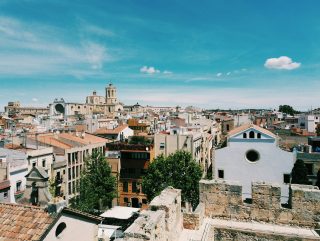
Museu d'Història de Girona
Historic Building, Historic Site and Museum in Girona

Set inside Girona's atmospheric Old Town, the Museu d'Història de Girona is the city's go-to place for understanding how Girona evolved from its Roman beginnings through medieval power struggles and into the modern era. The museum is housed in a historic building with multiple levels, so it feels like you're exploring Girona's past while physically moving through it.
It's an easy add-on to a self-guided stroll through the Barri Vell, and it also works well as a “context stop” on a walking tour that includes the Cathedral area, the Jewish Quarter, and the city walls. If you're choosing just a few indoor stops in Girona, pair this museum with a wander along Carrer de la Força and a viewpoint walk on the walls for the best sense of place.
Table of Contents
- History and Significance of the Museu d’Història de Girona
- Things to See and Do in the Museu d’Història de Girona
- How to Get to the Museu d’Història de Girona
- Practical Tips on Visiting the Museu d’Història de Girona
- Where to Stay Close to the Museu d’Història de Girona
- Is the Museu d’Història de Girona Worth Visiting?
- For Different Travelers
- FAQs for Visiting Museu d’Història de Girona
- Nearby Attractions to the Museu d’Història de Girona
History and Significance of the Museu d’Història de Girona
The Museu d'Història de Girona focuses on the long arc of the city's story, from Roman foundations to later centuries shaped by religion, trade, conflict, and cultural identity. Rather than a single “treasure room,” it's designed as a chronological and thematic journey that helps you connect what you see outside in the streets with the forces that shaped them.
One of the museum's biggest draws is its setting: it occupies a historic complex that still preserves architectural elements from earlier uses. That means the building itself becomes part of the visit, with spaces and features that feel distinctly Girona rather than a generic gallery box.
For travelers, the museum's significance is practical as well as historical: it's a fast way to understand why Girona looks the way it does. After a visit, the Cathedral steps, the narrow lanes of the Call (Jewish Quarter), and the defensive walls all “read” differently because you've got the timeline in your head.
Things to See and Do in the Museu d’Història de Girona
Expect a multi-floor route that mixes objects, models, and interpretive displays to walk you through key periods of Girona’s development. Visitors often appreciate that the museum is large enough to feel substantial, yet organized in a way that makes it possible to follow a logical flow without backtracking.
Look out for the building’s historic features as you move between sections; they add texture to the visit and break up the gallery experience. If you like museums that reward slow looking, plan to pause at the “big picture” panels first, then return to the cases that catch your eye.
A common theme in visitor feedback is language: many labels and object captions may not be in English. To get more out of the visit, use any available floor guides or audio resources and focus on the rooms that give broader context rather than trying to decode every single object label.
How to Get to the Museu d’Història de Girona
The nearest major airports are Barcelona–El Prat (BCN) and Girona–Costa Brava (GRO), with additional options via Perpignan (France) depending on your route. For the best deals and a seamless booking experience, check out these flights to Girona on Booking.com.
Girona is well connected by rail, and arriving by train is one of the easiest ways to start a car-free visit to the historic center. Train schedules and bookings can be found on Omio.
If you’re driving, aim for parking outside the tight Old Town lanes and walk in, since streets around the historic core can be restricted or inconvenient for visitors. If you are looking to rent a car in Spain I recommend having a look at Discover Cars, first, as they compare prices and review multiple car rental agencies for you.
Practical Tips on Visiting the Museu d’Història de Girona
- Official website: https://www.girona.cat/web/museuhistoria2/eng/
- Entrance fee: Adults: €4.20; Reduced: €2.10; Under 16: free; Free entry: first Sunday of each month.
- Opening hours: (Summer) May – September; Tuesday – Saturday: 10:30–18:30; Sunday & public holidays: 10:30–13:30. Closed on Monday. (Winter) October – April; Tuesday – Saturday: 10:30–17:30; Sunday & public holidays: 10:30–13:30. Closed on Monday.
- Best time to visit: Go earlier in the day for a calmer, more focused visit, then continue outside to the Old Town viewpoints and walls. If you’re visiting in summer, the museum can be a great midday break from the heat.
- How long to spend: Plan 60–90 minutes for a highlights visit, or up to 2 hours if you like reading context panels and taking your time across multiple floors.
- Accessibility: Expect stairs and level changes typical of a historic building; if you have mobility needs, it’s worth confirming the most accessible route and any lift access before you go.
- Facilities: Travelers mention clean restrooms, and you may find helpful small comforts like water available on-site, which is especially welcome after walking Girona’s hilly lanes.
Where to Stay Close to the Museu d’Història de Girona
Base yourself in the Barri Vell (Old Town) for the easiest walkable access to the museum, the Cathedral area, and Girona's most atmospheric streets.
Staying nearby lets you visit the museum at a quiet hour, then step straight back into the lanes of Carrer de la Força and the surrounding historic quarter. For a classic Girona stay with character, choose a hotel inside the Old Town; for easier transport connections and smoother luggage logistics, pick a spot just outside the historic core but still within a 10–15 minute walk.
Hotel Nord 1901 A polished, central option that’s great for travelers who want comfort and an easy walk to the Old Town without feeling tucked away.
Hotel Museu Llegendes de Girona A character-forward stay close to the historic center’s sights, ideal if you want to lean into Girona’s medieval atmosphere.
Hotel Historic A small, Old Town base that prioritizes location and charm, perfect for early-morning strolls before day-trippers arrive.
Hotel Gran Ultonia A reliable, modern choice with straightforward access to both the Old Town and transport links, good for short stays and efficient sightseeing.
Ciutat de Girona A well-located, comfortable pick that works nicely for couples and first-time visitors who want to be close to everything.
Is the Museu d’Història de Girona Worth Visiting?
Yes, especially if you want Girona to make sense beyond the postcard views. The museum gives you a structured timeline and context that you can immediately apply on a walk through the Barri Vell, and many visitors find the layout intuitive and the overall experience educational and enjoyable.
Honest Pivot: If you strongly prefer museums with extensive English labeling on every object, you may find this visit frustrating. In that case, consider spending more time on Girona’s outdoor history (walls, viewpoints, neighborhoods) and choosing a museum experience that better matches your language needs.
What Other Travellers Say...

Reviews are largely positive, with many visitors describing the museum as spacious, well-organized across multiple floors, and genuinely educational. Practical comforts like good restrooms and small amenities are appreciated, and some travelers find the audio guide especially helpful for context. The most common downside is limited English labeling on exhibits, which can make the experience less satisfying for non-Catalan/Spanish speakers; a few reviewers also feel the collection is lighter than expected compared with simply exploring the city outdoors.


For Different Travelers
The Museu d'Història de Girona can fit a lot of itineraries because it's centrally located and easy to combine with a walking day in the Old Town. The key is matching expectations: it's a context-rich museum, but your enjoyment will depend on how you like to absorb information.
Families with Kids
For families, the museum works best as a shorter, highlights-focused visit rather than an attempt to read everything. Treat it like a “story stop” that helps kids connect the city outside to real people and time periods.
Pair it with something active afterward, like a walk on the city walls or a gelato break in the Old Town. That way, the museum becomes part of a balanced day rather than the whole plan.
Couples & Romantic Getaways
Couples will like this museum most when it’s used to set the scene for a slow Old Town day. It’s a good rainy-day option, and it adds depth before a sunset stroll through the historic lanes.
Plan a relaxed visit, then head out for a scenic walk and a long meal nearby. Girona rewards unhurried wandering, and the museum helps you notice details you might otherwise miss.
Budget Travelers
The museum is a solid-value indoor attraction in a city where many of the best experiences are free (walking the Old Town, viewpoints, bridges, and neighborhoods). If you’re watching costs, it’s a good pick for a paid activity that actually improves the rest of your sightseeing.
Also keep an eye out for free-entry windows (like the first Sunday of the month) if your dates line up. Build your day around walking routes so you don’t need taxis or extra transport.
History Buffs
If you love timelines, civic history, and how cities evolve, this is one of the most efficient places in Girona to get oriented. It's especially satisfying if you've already walked around and want to “name” what you've been seeing.
To get the most out of it, focus on the sections that connect directly to Girona's streetscape and major turning points. Then revisit key spots outside (Cathedral area, walls, old lanes) with fresh context.
FAQs for Visiting Museu d’Història de Girona
Getting There
Tickets & Entry
Visiting Experience
Tours, Context & Itineraries
Photography
Accessibility & Facilities
Food & Breaks Nearby
Safety & Timing
Nearby Attractions to the Museu d’Història de Girona
- Girona Cathedral: A landmark complex with dramatic steps and a commanding presence over the Old Town.
- The Jewish Quarter (El Call): A maze of narrow medieval lanes that's one of Girona's most atmospheric areas.
- Girona City Walls (Passeig de la Muralla): A scenic walk with viewpoints that give you a sense of Girona's defensive past.
- Basilica of Sant Feliu: A major historic church with striking architecture and a prominent position near the old core.
- Onyar River Houses and Bridges: Iconic colorful façades and bridges that define Girona's classic city views.
The Museu d'Història de Girona appears in our Complete Guide to Visiting Girona!

Moira & Andy
Hey! We're Moira & Andy. From hiking the Camino to trips around Europe in Bert our campervan — we've been traveling together since retirement in 2020!
This website uses affiliate links which may earn a commission at no additional cost to you!
Planning Your Visit
(Summer) May - September; Tuesday - Saturday: 10:30-18:30; Sunday & public holidays: 10:30-13:30. Closed on Monday.
(Winter) October - April; Tuesday - Saturday: 10:30-17:30; Sunday & public holidays: 10:30-13:30. Closed on Monday.
Adults: €4.20; Reduced: €2.10; Under 16: free; Free entry: first Sunday of each month.
Nearby Attractions
- Casa Pastors (0.0) km
Arts Venue, Gallery and Historic Building - Girona Cathedral (0.1) km
Cathedral and Historic Building - Pont d'en Gómez o de la Princesa (0.1) km
Attraction, Bridge and Viewing Point - Museu d'Art de Girona (0.1) km
Arts Venue, Gallery and Museum - Fundació Rafael Masó / Casa Masó (0.1) km
Historic Building, Historic Site and Museum - Museum of Jewish History (0.1) km
Museum - Basílica de Sant Feliu (0.1) km
Basilica, Church and Religious Building - Arab Baths (0.1) km
Baths, Historic Building and Historic Site - El Cul de la Lleona Restaurante (0.1) km
Attraction - Passeig arqueològic (0.2) km
City Walls, Promenade and Walk