Museu d'Art de Girona
Arts Venue, Gallery and Museum in Girona
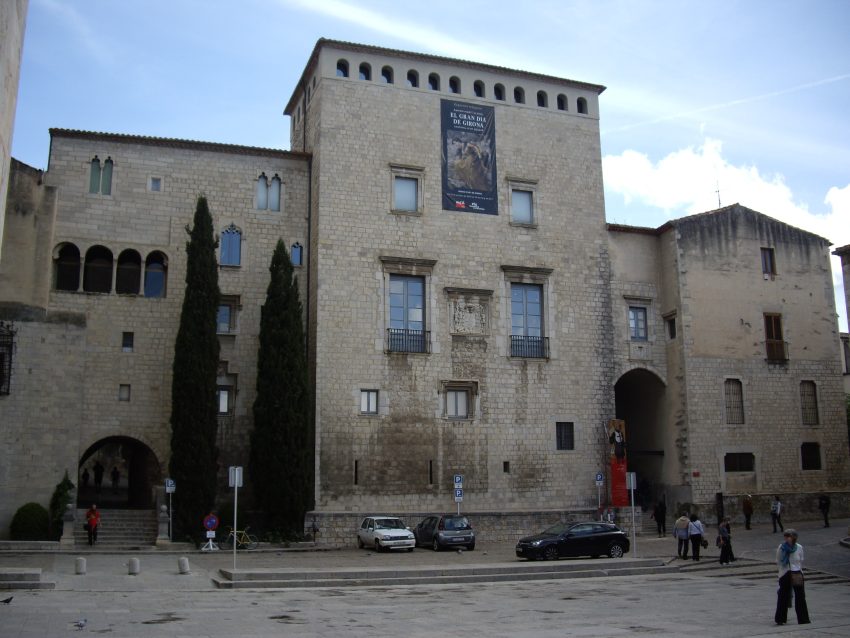
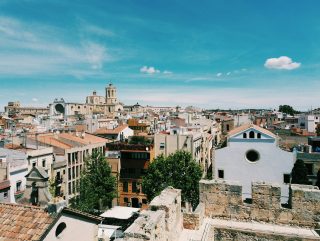
Set in Girona's atmospheric old town, the Museu d'Art de Girona is the city's flagship fine-arts museum, housed in the former Episcopal Palace just steps from the Cathedral. It's an easy add-on when you're already exploring the medieval lanes around the cathedral steps, and it rewards visitors who want more context for Girona's religious and civic history.
Many travelers reach it naturally on a walking tour of the Barri Vell (Old Town), pairing it with Girona Cathedral, the Basilica of Sant Feliu, and the surrounding viewpoints and stone stairways. If you're choosing just one museum in the historic center, this is the best place to see Catalan art evolve across centuries in one coherent visit.
Table of Contents
- History and Significance of the Museu d’Art de Girona
- Things to See and Do in the Museu d’Art de Girona
- How to Get to the Museu d’Art de Girona
- Practical Tips on Visiting the Museu d’Art de Girona
- Where to Stay Close to the Museu d’Art de Girona
- Is the Museu d’Art de Girona Worth Visiting?
- For Different Travelers
- FAQs for Visiting Museu d’Art de Girona
- Nearby Attractions to the Museu d’Art de Girona
History and Significance of the Museu d’Art de Girona
The museum's setting is part of the story: the former Episcopal Palace places you right in the heart of Girona's ecclesiastical power center, beside the cathedral complex. That location helps explain why so much of the collection is tied to religious life, local workshops, and the artistic commissions that shaped Girona and the wider region.
Inside, the museum traces a long arc from the Romanesque period through Gothic and Renaissance works and onward toward the dawn of the 20th century. Rather than feeling like a random assortment, the galleries read like a visual timeline of how styles, materials, and devotional imagery changed over time.
For visitors, the significance is twofold: it's one of the best introductions to Catalan art history outside Barcelona, and it's also a way to understand Girona's monuments more deeply. After seeing the museum, nearby churches and chapels tend to feel less like “pretty buildings” and more like living chapters of the same story.
Things to See and Do in the Museu d’Art de Girona
Start with the Romanesque and medieval sections, where carved capitals, figures, and fragments give a tactile sense of early sacred art. These pieces are often the surprise highlight for first-timers because they feel so close to the stonework you’ll see around the cathedral precinct.
Move on to the Gothic and Renaissance rooms for painted panels and altarpiece elements that connect directly to Girona’s churches and patrons. If you like slow-looking, this is where you’ll want to linger: the details in faces, gold backgrounds, and narrative scenes are easy to miss if you rush.
Before you leave, save a few minutes for the museum shop if it's open during your visit; travelers often mention it as a pleasant extra. Then step back outside and immediately continue your old-town walk—this museum is perfectly placed for a seamless loop through the cathedral area.
How to Get to the Museu d’Art de Girona
The nearest airports are Girona–Costa Brava Airport (GRO) for limited regional flights and Barcelona–El Prat (BCN) for the widest international options. For the best deals and a seamless booking experience, check out these flights to Girona on Booking.com.
Girona is well connected by rail, and arriving by train is one of the simplest ways to plan a day trip or a longer stay without a car. Train schedules and bookings can be found on Omio.
If you're driving, aim for parking outside the tightest old-town streets and walk up toward the cathedral area, since the lanes near the museum are steep and not designed for through-traffic. If you are looking to rent a car in Spain I recommend having a look at Discover Cars, first, as they compare prices and review multiple car rental agencies for you.
Practical Tips on Visiting the Museu d’Art de Girona
- Official website: https://museuart.cat/
- Entrance fee: Adults: €6; Reduced: €4; Under 16: free; First Sunday of each month: free.
- Opening hours: Tuesday – Saturday (May – September): 10:00–19:00. Tuesday – Saturday (October – April): 10:00–18:00. Sunday: 10:00–14:00. Closed on Monday.
- Best time to visit: Go earlier in the day for a quieter, more contemplative visit, then continue your walk around the cathedral and viewpoints afterward.
- How long to spend: Plan for 60–90 minutes for a satisfying visit; art lovers can easily stretch it to 2 hours.
- Accessibility: Expect historic-building constraints and some uneven surfaces in the old town approach; check ahead if you need step-free routing.
- Facilities: There is typically a small shop, and you’ll find plenty of cafés nearby in the Barri Vell for a break before or after.
Where to Stay Close to the Museu d’Art de Girona
Base yourself in Girona's Barri Vell (Old Town) for the most walkable, atmospheric stay near the cathedral and museums.
Hotel Museu Llegendes de Girona A top pick for being right in the historic core, ideal if you want to step out the door and be at the cathedral area within minutes.
Hotel Nord 1901 A comfortable, central option that balances old-town access with an easy walk to shops and restaurants.
Hotel Gran Ultonia Great for travelers who want modern conveniences and straightforward access to both the old town and transport links.
Hotel Carlemany Girona A reliable choice near the station area for those prioritizing train connections while still being walkable to the historic center.
Hotel Historic A characterful stay for travelers who want maximum medieval ambiance and don’t mind the old town’s narrow lanes and steps.
Is the Museu d’Art de Girona Worth Visiting?
Yes—especially if you're already exploring the cathedral quarter and want a richer understanding of Girona beyond viewpoints and photo stops. The collection is strong in Catalan religious art and medieval works, and the setting in the former Episcopal Palace makes the visit feel uniquely “Girona.”
Honest Pivot: If you're short on time, traveling with someone who isn't interested in religious art, or visiting in peak summer heat and want mostly outdoor experiences, you may prefer to prioritize the city walls walk, riverside bridges, and a cathedral-only visit instead.
What Other Travellers Say...

Travelers rate the museum very highly overall, praising the breadth of Catalan and Spanish art and the standout medieval and Romanesque pieces. Visitors also appreciate the educational value for understanding Girona’s religious and regional history, and some mention a pleasant shop experience. Common drawbacks include comfort issues in warm weather (limited air conditioning) and an occasional complaint about staff attitude at entry.


For Different Travelers
The Museu d'Art de Girona fits neatly into most Girona itineraries because it's compact, central, and easy to combine with nearby landmarks. Think of it as a high-value cultural stop that adds depth to everything you'll see in the old town.
Families with Kids
For families, the museum works best as a short, focused visit: pick a few rooms (especially sculpture and standout medieval pieces) rather than trying to see everything. Turning it into a “spot the symbols” game in religious paintings can keep kids engaged.
Pair the museum with an outdoor reward afterward—gelato in the old town or a stroll to a viewpoint—so the day doesn’t feel too museum-heavy. If your kids are very young, consider a quicker loop and save longer reading for another trip.
Couples & Romantic Getaways
Couples will like how seamlessly this museum fits into a romantic old-town day: cathedral steps, quiet lanes, then a calm indoor visit with plenty to discuss. It’s a good rainy-day anchor that still feels intimate rather than crowded.
Afterward, continue on foot to Sant Feliu and the riverside for golden-hour photos. The museum’s location makes it easy to keep the day slow and walkable.
Budget Travelers
Budget travelers get strong value here because the museum delivers a lot of cultural context in a single ticket, and it’s walkable from most central neighborhoods. You can build an entire day around free wandering in the Barri Vell and add the museum as your one paid stop.
Look out for free-entry opportunities (such as the first Sunday of the month) if your dates align. Even when you pay, it's a relatively affordable way to add depth to a Girona visit.
History Buffs
History buffs should treat this museum as a companion to Girona’s churches and medieval streets rather than a standalone art stop. The Romanesque and Gothic material helps you “read” the city’s stonework and sacred spaces with sharper eyes.
Go slowly through the medieval-to-Renaissance transition rooms to see how styles and storytelling evolve. If you’re also visiting the cathedral and Sant Feliu, the museum can make those visits feel far more meaningful.
FAQs for Visiting Museu d’Art de Girona
Getting There
Tickets & Entry
Visiting Experience
Tours, Context & Itineraries
Photography
Accessibility & Facilities
Food & Breaks Nearby
Safety & Timing
Nearby Attractions to the Museu d’Art de Girona
- Girona Cathedral: A must-see landmark with dramatic steps and one of the city's most iconic viewpoints.
- Basilica of Sant Feliu: A historic church with a distinctive profile and strong ties to Girona's religious past.
- The Jewish Quarter (El Call): A maze of narrow medieval streets that's perfect for slow wandering and photography.
- Girona City Walls (Passeig de la Muralla): A scenic walk with panoramic views over rooftops and surrounding hills.
- Eiffel Bridge (Pont de les Peixateries Velles): A striking riverside bridge and a classic spot for Onyar River photos.
The Museu d'Art de Girona appears in our Complete Guide to Visiting Girona!

Moira & Andy
Hey! We're Moira & Andy. From hiking the Camino to trips around Europe in Bert our campervan — we've been traveling together since retirement in 2020!
This website uses affiliate links which may earn a commission at no additional cost to you!
Planning Your Visit
Tuesday - Saturday (May - September): 10:00-19:00.
Tuesday - Saturday (October - April): 10:00-18:00.
Sunday: 10:00-14:00.
Closed on Monday.
Adults: €6; Reduced: €4; Under 16: free; First Sunday of each month: free.
Nearby Attractions
- Girona Cathedral (0.1) km
Cathedral and Historic Building - Passeig arqueològic (0.1) km
City Walls, Promenade and Walk - Jardins de la Francesa (0.1) km
Gardens - Museu d'Història de Girona (0.1) km
Historic Building, Historic Site and Museum - Casa Pastors (0.1) km
Arts Venue, Gallery and Historic Building - Museum of Jewish History (0.1) km
Museum - Arab Baths (0.1) km
Baths, Historic Building and Historic Site - Jardins dels Alemanys (0.1) km
Gardens - Fundació Rafael Masó / Casa Masó (0.2) km
Historic Building, Historic Site and Museum - Pont d'en Gómez o de la Princesa (0.2) km
Attraction, Bridge and Viewing Point