Museu D. Diogo de Sousa, Braga
Museum in Braga
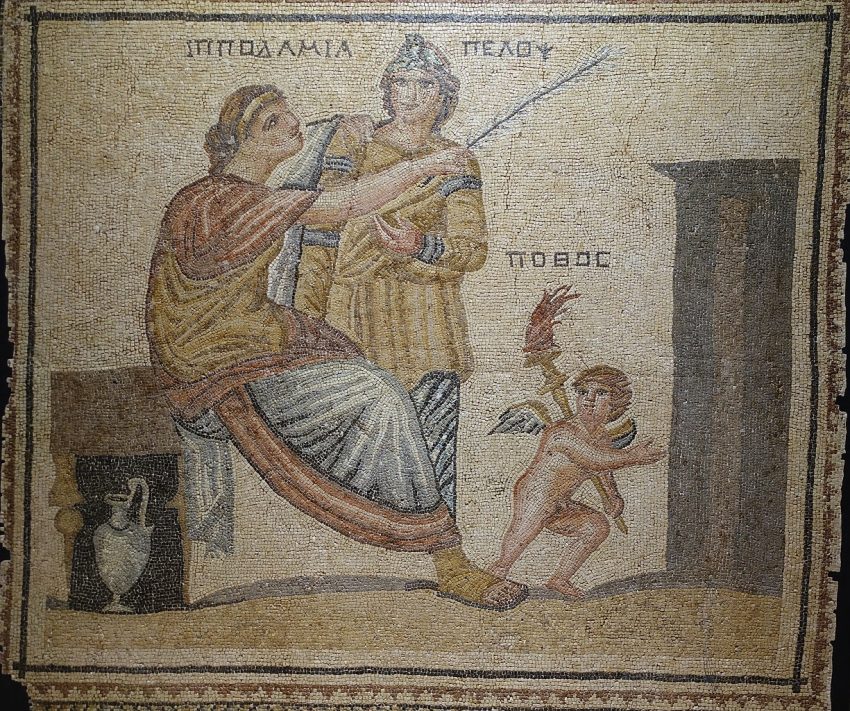
For anyone curious about Braga's deep and layered past, the Museu D. Diogo de Sousa offers one of the most comprehensive journeys through time in northern Portugal. Located near the site of ancient Bracara Augusta, this regional archaeological museum houses an exceptional collection of artefacts spanning millennia - from prehistoric tools to medieval relics. It's one of the best places to visit in Braga for history enthusiasts and a great place to visit on a walking tour of Braga to understand the city's origins beneath its modern façade.
Named after Archbishop Diogo de Sousa, who transformed Braga in the early 16th century, the museum is both a celebration of the city's heritage and a window into the lives of the people who shaped it.
Table of Contents
History and Significance of Museu D. Diogo de Sousa
The Museu D. Diogo de Sousa (Regional Museum of Archaeology) takes its name from Archbishop Diogo de Sousa, a visionary leader who served from 1505 to 1532. Known for revitalising Braga's architecture and civic life, he initiated urban projects that gave the city much of its Renaissance character. The museum bearing his name continues this spirit of preservation and education, documenting Braga's role as a key cultural and administrative centre from prehistoric times through the Middle Ages.
Established to safeguard and display archaeological finds from the surrounding region, the museum's collections are built around artefacts unearthed in excavations across Braga and its environs. Its chronological layout leads visitors on a seamless journey through human history - from the earliest traces of settlement in the Palaeolithic era, through the Celtic and Roman periods, to the medieval transformation of the city.
One of the museum’s most remarkable aspects is its focus on Bracara Augusta, the Roman city that once stood where Braga does today. Through stone inscriptions, tools, and sculptures, visitors gain a vivid understanding of daily life in the Roman world and its influence on Portuguese culture.
Things to See and Do at Museu D. Diogo de Sousa
The museum's galleries are arranged to tell the story of human presence in the Braga region chronologically. Highlights include Palaeolithic stone tools, Bronze Age ceramics, and Iron Age artefacts that shed light on the earliest communities to inhabit the area. The Roman collection is particularly striking - tombstones, pottery, jewellery, and household objects that offer tangible connections to Bracara Augusta. Each piece contributes to the broader narrative of Braga as one of the most important Roman cities in Iberia.
A key attraction is the section on Roman funerary art, featuring elaborately carved tombstones with Latin inscriptions and symbolic motifs. Nearby, the exhibit on medieval burials reveals how religious beliefs and customs evolved through the centuries, providing insight into early Christian practices.
The museum’s layout encourages reflection and discovery, blending academic precision with accessible storytelling. Interactive displays and informative panels help visitors interpret the artefacts’ historical context, making it an engaging stop for both casual visitors and archaeology enthusiasts.
How to Get There
The Museu D. Diogo de Sousa is located near the historic centre of Braga, a short walk from the Roman Baths of Maximinos and the Fonte do Ídolo. For those arriving by train, Braga Station is approximately 15 minutes away on foot. Train schedules and bookings can be found on Omio. Visitors travelling by car can find nearby parking at Avenida Central or Campo da Vinha. If you are looking to rent a car in Portugal I recommend having a look at Discover Cars, first, as they compare prices and review multiple car rental agencies for you.
Practical Tips on Visiting Museu D. Diogo de Sousa
- Best time to visit Museu D. Diogo de Sousa: Morning or early afternoon for quieter exploration.
- Entrance fee in Euros: Around €3; discounts available for students and seniors.
- Opening hours: Typically Tuesday to Sunday, 9:30 am-12:30 pm and 2 pm-5:30 pm; closed Mondays.
- Official website: www.museusbraga.pt
- How long to spend: Around 1 to 1.5 hours.
- Accessibility: Fully accessible with ramps and elevators.
- Facilities: Restrooms, small gift shop, and information desk.
- Photography tip: Capture close-up details of Roman inscriptions for texture and contrast.
- Guided tours: Available upon request through Braga’s archaeological network.
- Nearby food options: Restaurants and cafés along Avenida da Liberdade and Rua dos Chãos.
Is Museu D. Diogo de Sousa Worth Visiting?
Absolutely - the Museu D. Diogo de Sousa is one of the must-see places in Braga for anyone fascinated by archaeology or ancient history. Its well-curated displays bring to life the story of Braga from its earliest settlers to its role as a Roman metropolis and medieval centre of faith. Whether you're drawn to ancient artefacts or simply want to understand the foundations of modern Braga, the museum provides a captivating and educational experience.
What Other Travellers Say...

Museum of Archaeology D. Diogo de Sousa in Braga showcases excavated items spanning from the Paleolithic to the Middle Ages, with notable Greek and Roman pieces and a concentrated Roman collection upstairs; visitors praise the well-maintained displays, helpful staff, a cafeteria/restaurant and gift shop, plus gardens, a library, children's area, events and workshops, accessible ramps and elevators, and ample parking for cars and campervans, making it a compact, easy one-hour visit.


FAQs for Visiting Museu D. Diogo de Sousa
Nearby Attractions to Museu D. Diogo de Sousa
- Thermae of Maximinus - The ruins of Braga’s Roman baths and theater.
- Fonte do Ídolo - A Roman fountain dedicated to local deities.
- Cathedral of Braga (Sé de Braga) - The city's spiritual and historical heart.
- Biscainhos Museum - A Baroque-era palace filled with art and decorative objects.
- Palácio do Raio - A blue-tiled Baroque masterpiece by André Soares.
The Museu D. Diogo de Sousa appears in our Complete Guide to Visiting Braga!

Moira & Andy
Hey! We're Moira & Andy. From hiking the Camino to trips around Europe in Bert our campervan — we've been traveling together since retirement in 2020!
This website uses affiliate links which may earn a commission at no additional cost to you!
Planning Your Visit
9.30am-6pm Tue-Sun Jun-mid-Sep, to 5.30pm mid-Sep-May
adult/student €3/1.50, Sun free
Nearby Attractions
- Termas Romanas do Alto da Cividade (0.2) km
Historic Site - Pius XII & Medina Museum (0.3) km
Museum - Braga Cathedral (0.4) km
Cathedral - Palácio do Raio (0.5) km
Historic Building and Museum - Arco da Porta Nova (0.5) km
City Gate - Fonte do Ídolo (0.5) km
Historic Site - Episcopal Palace (0.5) km
Palace - Theatro Circo (0.6) km
Theatre - Santa Barbara Garden (0.6) km
Gardens - Biscainhos Museum (0.6) km
Museum