Museu Calouste Gulbenkian, Lisbon
Museum in Lisbon
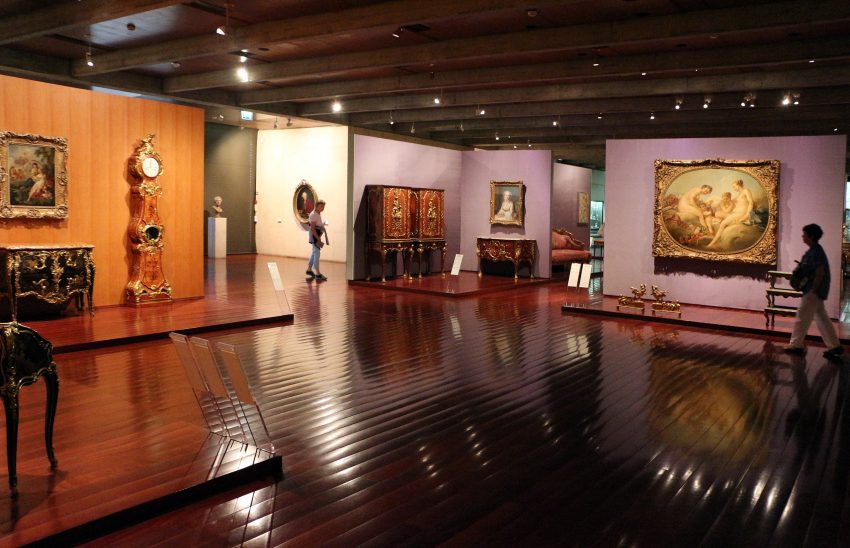
Tucked away in a lush park near Praça de Espanha, the Museu Calouste Gulbenkian feels like a quiet, green retreat in the middle of Lisbon. Inside its low, modernist pavilions you'll find an astonishing private collection spanning Egyptian artefacts, Graeco-Roman pieces, Islamic art, and European painting from the 16th to the 19th centuries, including works by Rubens, Rembrandt, Manet, and Degas. The building itself is a masterclass in 1960s museum design, with carefully framed views out to the gardens that turn the landscape into part of the exhibition. It's one of the best places to visit in Lisbon if you love art but also appreciate calm, thoughtfully designed spaces.
The museum grew from the personal collection of Calouste Gulbenkian, an Armenian businessman and philanthropist who assembled masterpieces with a curator's eye and then left them to the foundation that bears his name. Opened to the public in 1969, the museum was designed as a cohesive whole with its surrounding gardens by architects Ruy Jervis Athouguia, Alberto Pessoa, Pedro Cid, Gonçalo Ribeiro Teles, and António Barreto, a collaboration that won the prestigious Valmor Prize in 1975. Today, the low-slung concrete, water features, and woodland paths still feel timeless, and the museum is often visited on walking tours of Lisbon that focus on 20th-century architecture and green spaces as well as historic sights.
Table of Contents
- History and Significance of Museu Calouste Gulbenkian
- Things to See and Do in Museu Calouste Gulbenkian
- How to Get to Museu Calouste Gulbenkian
- “Practical Tips on Visiting Museu Calouste Gulbenkian,”
- Where to Stay close to Museu Calouste Gulbenkian
- Is Museu Calouste Gulbenkian Worth Visiting?
- FAQs for Visiting Museu Calouste Gulbenkian
- Nearby Attractions to Museu Calouste Gulbenkian
History and Significance of Museu Calouste Gulbenkian
The story of the museum begins with Calouste Sarkis Gulbenkian himself, a businessman and collector who lived between the Ottoman Empire, London, and Paris before eventually settling in Lisbon. Over decades he built up an extraordinary collection of artworks, from ancient Egyptian and Near Eastern objects to Islamic ceramics, Persian carpets, French decorative arts, and paintings by European masters. In his will, he stipulated that his collection should remain together and be enjoyed by the public, leading to the creation of the Calouste Gulbenkian Foundation and the museum that bears his name.
Rather than housing the works in an adapted palace or historic building, the foundation chose to build a dedicated museum that reflected modern thinking in display and visitor experience. The winning project proposed a low, horizontal complex that opened onto the landscape, with large windows, terraces, and water elements that blurred the boundaries between inside and outside. When the museum opened in 1969, it was widely praised as a model of how to show art in a way that felt both intimate and contemporary, and the ensemble of building and gardens went on to receive the Valmor Prize in 1975 for architectural excellence.
The permanent exhibition has since been rethought and reorganised, most recently under architect Paul Vandebotermet, to make the collection easier to navigate and to highlight its strengths more clearly. The galleries are arranged in broadly chronological and geographical circuits: one focusing on the ancient Mediterranean, Near East, and Islamic world, and another on European art, sculpture, tapestry, and French furniture from the Louis XV and Louis XVI periods. This layered, global perspective makes the Museu Calouste Gulbenkian stand out even in a city rich with museums, offering a journey from Pharaonic Egypt to 19th-century Paris in a single, beautifully paced visit.
Things to See and Do in Museu Calouste Gulbenkian
Most visits begin with the ancient collections, where softly lit galleries showcase Egyptian funerary objects, Greco-Roman sculptures, and artefacts from the Near East. It’s a compact but beautifully curated introduction to the ancient world, with labels and multimedia points that help you place each piece in context. From there, you move into the Islamic art sections, with delicate ceramics, metalwork, carpets, and manuscripts that reveal the richness of Persian and Ottoman craftsmanship. The progression feels logical and unhurried, making it easy to follow even if you’re not an art historian.
The European painting galleries are where many visitors linger longest. Here you’ll find Rubens and Rembrandt alongside Manet and Degas, as well as works by Turner, Renoir, and other major names, all displayed in a way that feels personal rather than overwhelming. The sculpture rooms and French decorative arts-especially the furniture and objects from the Louis XV and Louis XVI periods-add a sense of texture and domestic luxury to the experience, while Renaissance tapestries and finely bound books round out the sense of a collector who cared about both beauty and craftsmanship.
Beyond the main collection, the museum often hosts temporary exhibitions and offers interactive points where you can learn more about Gulbenkian himself, the architecture, and the foundation's wider activities. Step outside between galleries and you'll find yourself in the gardens, where paths curve around ponds, trees, and sculpture, offering quiet corners to sit and digest what you've just seen. In good weather, combining an hour or two in the galleries with a stroll through the park can feel like a complete escape from the busy streets of central Lisbon.
How to Get to Museu Calouste Gulbenkian
Museu Calouste Gulbenkian is located in the Avenidas Novas district of Lisbon, close to Praça de Espanha and São Sebastião, and is well connected by public transport. Most international visitors arrive at Lisbon Humberto Delgado Airport, which has frequent flights from across Europe and several long-haul destinations; from the airport you can reach the museum area in around 20-30 minutes by metro, taxi, or rideshare. For the best deals and a seamless booking experience, check out these flights to Lisbon on Booking.com.
If you are coming by train, long-distance services typically arrive at Oriente, Santa Apolónia, or Entrecampos. From these stations you can use the metro to reach São Sebastião or Praça de Espanha, both of which are within a short walk of the museum grounds.Train schedules and bookings can be found on Omio. Several bus routes also stop nearby, and the foundation’s own signage around Avenida de Berna makes it easy to find the exact entrance once you’re in the neighbourhood.
Travelling by car, you’ll follow main avenues such as Avenida da República or Avenida dos Combatentes towards Praça de Espanha, then pick up local signs for the Fundação Calouste Gulbenkian.If you are looking to rent a car in Portugal I recommend having a look at Discover Cars, first, as they compare prices and review multiple car rental agencies for you. There is some parking in the area, but spaces can be limited at busy times and during events, so many visitors prefer to use public transport and then enjoy a short walk through the surrounding streets into the gardens.
“Practical Tips on Visiting Museu Calouste Gulbenkian,”
- Suggested tips: Check the latest information before you go, as the main museum is currently undergoing renovation work and parts of the collection may be temporarily relocated or displayed in special exhibitions; allow time to explore both the galleries and the gardens.
- Best time to visit: Mornings and late afternoons on weekdays are usually quieter, giving you more space in the galleries and a calmer atmosphere in the park.
- Entrance fee: Coleção do Fundador/Coleção Moderna combo ticket adult/child €10/free, temporary exhibitions €3-6, free Sun from 2pm
- Opening hours: 10am-6pm Wed-Mon
- Official website:
- How long to spend: Plan on 2-3 hours if the full collection is open, including time for a break in the café or a walk in the gardens; shorter visits of 60-90 minutes work for a focused highlights tour.
- Accessibility: The museum and gardens are designed with accessibility in mind, featuring ramps, lifts, and step-free routes in most areas; consult the website for detailed accessibility information before visiting.
- Facilities: Expect a ticket office, cloakrooms or lockers, a museum shop, and cafés with views over the gardens, making it easy to combine your art visit with a relaxed coffee or light meal.
- Photography tip: Photography without flash is usually permitted in many galleries, but always check local signs; the contrast between dark interiors and bright garden views can make for striking compositions.
- Guided tours: Look out for guided visits, audio guides, or digital tools provided by the foundation, which can add rich context about the collector, individual works, and the architecture.
- Nearby food options: The onsite cafés are convenient and pleasant, but you’ll also find plenty of restaurants and bakeries in the surrounding Avenidas Novas area if you feel like exploring a bit further.
Where to Stay close to Museu Calouste Gulbenkian
Staying near the Gulbenkian puts you in a quieter, residential part of Lisbon with easy metro access to the historic centre and airport. A short walk from the museum, Four Seasons Hotel Ritz Lisbon offers classic five-star comfort with sweeping views over Parque Eduardo VII and quick connections down to Avenidas Novas. For a more mid-range but stylish option, Hotel Zenit Lisboa sits between Saldanha and Parque, making it easy to hop on the metro to São Sebastião and stroll into the museum gardens. If you prefer something simple and convenient, VIP Executive Zurique Hotel is close to Entrecampos station and offers straightforward rooms within a short metro ride or bus journey of the Gulbenkian complex.
Is Museu Calouste Gulbenkian Worth Visiting?
If you have even a passing interest in art, design, or tranquil urban green spaces, Museu Calouste Gulbenkian is absolutely worth adding to your Lisbon plans. The breadth and quality of the collection, combined with the harmony between the building and its gardens, make it feel more like visiting a cultivated private retreat than a crowded city museum. Even with renovation work affecting parts of the complex, the foundation's programming and the surrounding park ensure there is still plenty to experience, and for many visitors it becomes one of the things to do in Lisbon that they recommend most enthusiastically to friends.
What Other Travellers Say...

Centro de Arte Moderna Gulbenkian (CAM), Rua Marquês de Fronteira 2, houses around 9,000 works with a focus on 20th-century Portuguese and international artists; visitors praise the calming, well-lit galleries and thoughtful layout that let the art breathe, often highlighting the building’s striking wooden canopy and minimalist feel, while the adjacent garden with ponds, ducks and Japanese‑inspired paths provides a peaceful place to relax after viewing the exhibitions.


FAQs for Visiting Museu Calouste Gulbenkian
Nearby Attractions to Museu Calouste Gulbenkian
- Centro de Arte Moderna Gulbenkian (CAM): Contemporary and modern art space associated with the foundation, showcasing Portuguese and international artists.
- Parque Eduardo VII: Large hilltop park with viewpoints over central Lisbon and the Tagus, ideal for a walk before or after your museum visit.
- El Corte Inglés Lisbon: Upmarket department store with shops, a gourmet supermarket, and multiple dining options a short walk from the museum.
- Praça de Espanha: Transport hub and evolving public space that connects several of Lisbon’s main avenues and cultural institutions.
- Museu de Arte, Arquitetura e Tecnologia (MAAT): Striking riverside museum of art, architecture, and technology in Belém, reachable by a short metro and train or bus ride for a broader day of culture.
The Museu Calouste Gulbenkian appears in our Complete Guide to Visiting Lisbon!

Moira & Andy
Hey! We're Moira & Andy. From hiking the Camino to trips around Europe in Bert our campervan — we've been traveling together since retirement in 2020!
This website uses affiliate links which may earn a commission at no additional cost to you!
Planning Your Visit
10am-6pm Wed-Mon
Coleção do Fundador/Coleção Moderna combo ticket adult/child €10/free, temporary exhibitions €3-6, free Sun from 2pm
Nearby Attractions
- Museu Nacional de História Natural e da Ciência (2.3) km
Museum - Miradouro de São Pedro de Alcântara (2.6) km
Viewing Point - Praça do Rossio (2.9) km
Square - Carmo Convent (3.1) km
Convent - Elevador de Santa Justa (3.1) km
Viewing Point - São Jorge Castle (3.2) km
Castle - Teatro Nacional de São Carlos (3.3) km
Theatre - São Vicente de Fora (3.5) km
Monastery - National Pantheon (3.6) km
Historic Building - Arco da Rua Augusta (3.6) km
Historic Building and Viewing Point