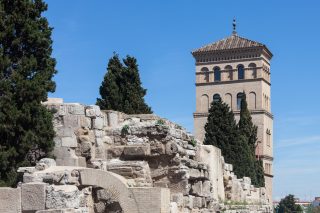
Museo Nacional de Ciencias Naturales, Madrid
Museum in Madrid
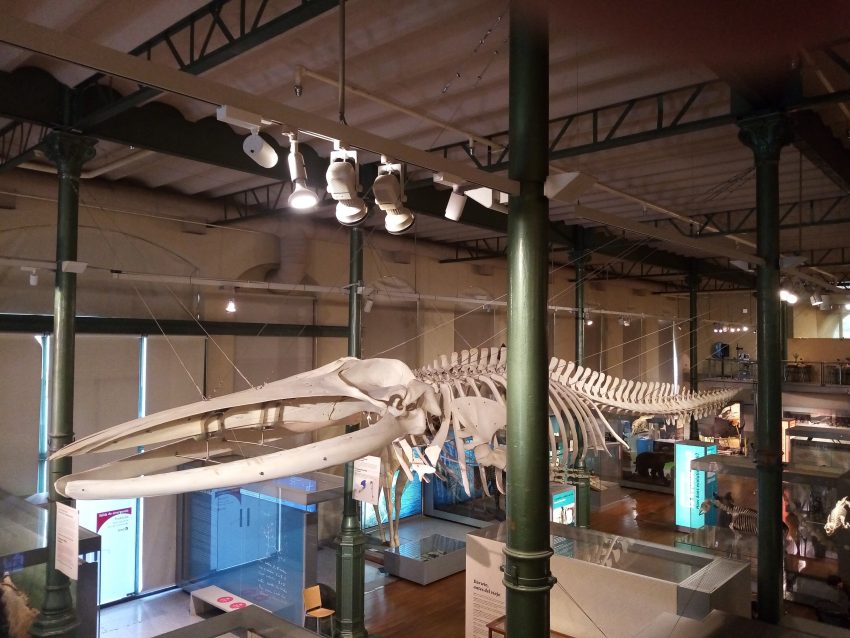
Museo Nacional de Ciencias Naturales (MNCN) is Madrid's flagship natural history museum, set along Paseo de la Castellana near the elegant El Viso/Chamberí edge of the city. It's the kind of place where you can go from dinosaur fossils to biodiversity displays in a single, easy-to-navigate visit.
It also fits nicely into a broader Madrid day: pair it with a walking tour through Salamanca or Chamberí, then detour here for a dose of science and spectacle before continuing toward the city's best boulevards, cafés, and parks.
Table of Contents
- History and Significance of the Museo Nacional de Ciencias Naturales
- Things to See and Do in the Museo Nacional de Ciencias Naturales
- How to Get to the Museo Nacional de Ciencias Naturales
- Practical Tips on Visiting the Museo Nacional de Ciencias Naturales
- Where to Stay Close to the Museo Nacional de Ciencias Naturales
- Is the Museo Nacional de Ciencias Naturales Worth Visiting?
- For Different Travelers
- FAQs for Visiting Museo Nacional de Ciencias Naturales
- Nearby Attractions to the Museo Nacional de Ciencias Naturales
History and Significance of the Museo Nacional de Ciencias Naturales
Museo Nacional de Ciencias Naturales is one of Spain's most important scientific museums, with collections that support both public education and ongoing research. Beyond the galleries, it's closely tied to the country's scientific community, which is why the exhibits often feel grounded in real fieldwork and discovery rather than just display.
Over time, the museum has evolved from classic cabinet-style natural history into a modern visitor experience that mixes iconic specimens with clearer storytelling. That blend is part of its appeal: you still get the awe of historic collections, but with a more approachable, family-friendly flow.
Its significance in Madrid is also practical: it's a major indoor attraction that's not in the “Golden Triangle” of art museums, making it a smart alternative when you want something different from paintings and palaces.
Things to See and Do in the Museo Nacional de Ciencias Naturales
Start with the headline-grabbers: the fossil and prehistoric life displays are the big crowd-pleasers, especially the dinosaur skeletons and other large-scale specimens that make the first impression feel cinematic. If you’re visiting with kids (or anyone who loves big bones), plan to spend plenty of time here.
Next, slow down in the biodiversity and animal collections, where you’ll see a wide range of specimens that help explain ecosystems, adaptation, and classification. This is where the museum shines for curious adults too, because it’s easy to move from “wow” objects to deeper context.
If you enjoy hands-on learning, look out for interactive elements and human evolution-focused content that make the visit feel more like a mini science expedition than a passive stroll. It's also a great rainy-day plan in Madrid, and a solid reset between outdoor sightseeing blocks.
How to Get to the Museo Nacional de Ciencias Naturales
Madrid's nearest major airport is Adolfo Suárez Madrid–Barajas Airport (MAD), with extensive international and domestic connections. For the best deals and a seamless booking experience, check out these flights to Madrid on Booking.com.
If you're arriving by rail, Madrid-Puerta de Atocha and Madrid-Chamartín-Clara Campoamor are the main long-distance stations, and both connect well to the metro and buses for an easy onward trip. Train schedules and bookings can be found on Omio..
By public transport within the city, the museum is straightforward to reach by metro and bus, and it's also walkable from nearby neighborhoods like Salamanca and Chamberí if you're already exploring on foot.
If you’re traveling by car, expect city traffic and limited street parking, so a paid garage nearby can save time and stress. If you are looking to rent a car in Spain I recommend having a look at Discover Cars, first, as they compare prices and review multiple car rental agencies for you.
Practical Tips on Visiting the Museo Nacional de Ciencias Naturales
- Official website: https://www.mncn.csic.es/es
- Entrance fee: Adults: €7; Reduced: €3.50; Free entry Sundays 17:00–20:00 (capacity-limited).
- Opening hours: Tuesday – Friday: 10:00–17:00. Saturday – Sunday: 10:00–20:00. Closed on Monday. August: Tuesday – Sunday: 10:00–15:00. December 24 & December 31: 10:00–15:00. Closed January 1, January 6, May 1, December 25.
- Best time to visit: Go midweek for a calmer experience, or arrive right at opening on weekends to beat the family rush.
- How long to spend: Plan 1.5–3 hours for the highlights; add time if you like reading labels and lingering in the biodiversity rooms.
- Accessibility: The museum is generally accessible, but if elevators are temporarily limited, ask staff at entry for the easiest step-free route.
- Facilities: Expect restrooms and a gift-shop style stop; it’s also easy to take a break at nearby cafés after your visit.
Where to Stay Close to the Museo Nacional de Ciencias Naturales
Base yourself in Salamanca for the best mix of walkability, dining, and quick transport links to both the museum and central Madrid.
InterContinental Madrid A polished, high-comfort option near the Castellana corridor, ideal if you want a quieter, upscale base with easy museum access.
Hyatt Regency Hesperia Madrid A strong choice for design-forward rooms and a convenient location for metro connections, making it easy to bounce between neighborhoods.
NH Collection Madrid Abascal A dependable, well-located stay for Chamberí vibes, with a slightly more local feel than the busiest tourist zones.
VP Jardín de Recoletos Great for travelers who want to be near Salamanca and Retiro-adjacent strolls, with apartment-style comfort that suits longer stays.
Barceló Emperatriz A stylish Salamanca pick that balances boutique character with practical access to the museum and the city's shopping streets.
Is the Museo Nacional de Ciencias Naturales Worth Visiting?
Yes, especially if you want a break from art museums or you’re traveling with kids: the big fossil specimens and biodiversity displays deliver immediate wow-factor, and the museum’s layout makes it easy to enjoy without feeling overwhelmed.
Honest Pivot: if you’re short on time and only want Madrid’s “must-do” classics (Prado, Reina Sofía, Royal Palace), this can be the one you skip. It’s best for travelers who enjoy science, natural history, or family-friendly attractions rather than those focused purely on iconic city landmarks.
What Other Travellers Say...

Reviews are very positive overall, with visitors praising the museum’s wow-factor fossil halls (especially dinosaurs), large-scale specimens like whale bones, and a mix of engaging displays that work for both kids and adults. Families frequently mention it’s easy to walk around and keeps different ages interested, and several visitors highlight interactive or human-evolution content as a standout. Common drawbacks hinted at in feedback include occasional crowding and the sense that some displays or areas can feel a bit traditional or uneven in depth depending on what’s open.


For Different Travelers
Museo Nacional de Ciencias Naturales works well as a flexible half-day stop: you can do a quick highlights loop or take it slow and treat it like a deep-dive. It's also easy to combine with nearby neighborhoods for food, shopping, and a relaxed walking route.
Families with Kids
This is one of Madrid’s easiest wins for families: the dinosaur and large-animal specimens create instant excitement, even for teens who claim they’re “too cool” for museums.
To keep energy up, aim for a highlights-first route, then let kids choose one section to explore more deeply. It’s a good idea to plan a café stop afterward so the visit ends on a high note.
Couples & Romantic Getaways
For couples, the museum is a fun, low-pressure date idea that’s different from the usual art-and-wine routine. The exhibits naturally spark conversation, and it’s easy to keep the pace relaxed.
Pair it with a walk along Paseo de la Castellana or a meal in Salamanca for a simple, well-rounded day. It's especially appealing if you like quirky, curiosity-driven experiences.
Budget Travelers
The museum can be a strong value attraction, particularly if you plan around any discounted or free-entry windows and keep the visit focused on the permanent highlights.
Because it’s outside the most tourist-saturated core, you can also save money by eating like a local nearby rather than paying premium prices in the busiest central squares.
History Buffs
While it’s not a “history museum” in the classic sense, it’s packed with scientific heritage: older-style collections, taxonomy traditions, and the story of how natural history was studied and displayed.
Approach it as the history of discovery rather than the history of kings and battles. If you enjoy museums as institutions, you’ll appreciate the blend of legacy collections and modern interpretation.
FAQs for Visiting Museo Nacional de Ciencias Naturales
Getting There
Tickets & Entry
Visiting Experience
Tours, Context & Itineraries
Photography
Accessibility & Facilities
Food & Breaks Nearby
Safety & Timing
Nearby Attractions to the Museo Nacional de Ciencias Naturales
- Museo Sorolla: A charming house-museum with art and gardens, ideal for a quieter cultural stop nearby.
- Paseo de la Castellana: Madrid’s grand north–south boulevard for an easy stroll and people-watching.
- Nuevos Ministerios area: Handy for shopping and transport connections, useful to pair with a museum visit.
- Barrio de Salamanca: An upscale neighborhood for boutiques, tapas, and a stylish post-museum meal.
- Chamberí: A more local-feeling district with cafés and streets that are great for a relaxed wander.
The Museo Nacional de Ciencias Naturales appears in our Complete Guide to Visiting Madrid!

Moira & Andy
Hey! We're Moira & Andy. From hiking the Camino to trips around Europe in Bert our campervan — we've been traveling together since retirement in 2020!
This website uses affiliate links which may earn a commission at no additional cost to you!
Planning Your Visit
Tuesday - Friday: 10:00-17:00.
Saturday - Sunday: 10:00-20:00.
Closed on Monday.
August: Tuesday - Sunday: 10:00-15:00.
December 24 & December 31: 10:00-15:00.
Closed January 1, January 6, May 1, December 25.
Adults: €7; Reduced: €3.50; Free entry Sundays 17:00-20:00 (capacity-limited).
Nearby Attractions
- Museo Lazaro Galdiano (0.5) km
Gallery, Historic Building and Museum - Museo Sorolla (0.6) km
Gardens, Historic Building and Museum - Plaza de Colon (1.7) km
Historic Site, Monument and Square - Biblioteca Nacional (1.8) km
Historic Building, Library and Museum - Museo Arqueologico Nacional (1.9) km
Museum - Calle Alcala (2.1) km
Area and Street - Puerta de Alcala (2.3) km
Attraction, City Gate and Monument - Palacio de Cibeles (2.4) km
Arts Venue, Historic Building and Town Hall - Parque del Retiro (2.5) km
Park - El Estanque (2.5) km
Attraction, Lake and Park