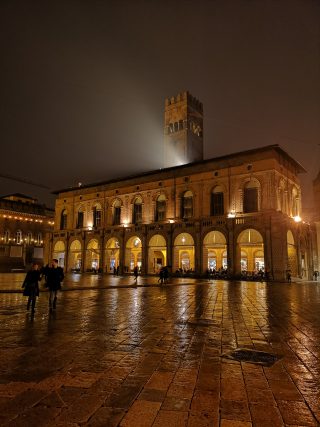
Museo della Città di Rimini
Historic Building and Museum in Rimini
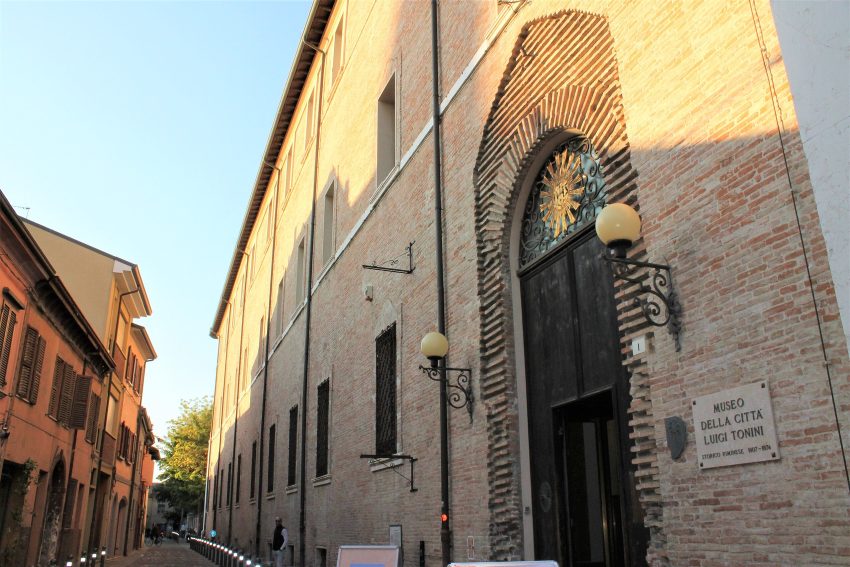
The Museo della Città di Rimini is the city's main museum for understanding Rimini beyond the beach, set inside the former Jesuit College just a short walk from Piazza Cavour. It's one of the top attractions in Rimini for travelers who want a clear, well-paced story of the area, from prehistoric finds to Renaissance patronage and modern design, all under one roof.
What makes this museum especially enjoyable is how it feels anchored in the city around it: many objects come from local excavations, churches, and historic buildings, so you'll often step outside and recognize places you've just seen in the galleries. It's also a highlight of any walking tour of Rimini, because it adds context to the Roman and medieval sights nearby without requiring a huge time commitment.
Table of Contents
- History and Significance of the Museo della Città di Rimini
- Things to See and Do in the Museo della Città di Rimini
- How to Get to the Museo della Città di Rimini
- Practical Tips on Visiting the Museo della Città di Rimini
- Where to Stay close to the Museo della Città di Rimini
- Is the Museo della Città di Rimini Worth Visiting?
- For Different Travelers
- FAQs for Visiting Museo della Città di Rimini
- Nearby Attractions to the Museo della Città di Rimini
History and Significance of the Museo della Città di Rimini
The museum’s role is essentially civic: it gathers Rimini’s “memory” into a single narrative, with collections drawn from archaeology, sacred art, and the city’s changing identity over centuries. Since 2015 it has carried the name of Luigi Tonini, a key local historian, which fits the museum’s mission of documenting Rimini’s long timeline with care and continuity.
One of the most compelling threads is the way everyday life emerges from the exhibits. You can trace the presence of humans in the Rimini area from the earliest tools and settlements, then move into Roman life, medieval devotion, and the artistic ambitions of later centuries, where Rimini is shown as a cultural crossroads rather than a footnote.
Things to See and Do in the Museo della Città di Rimini
Start with the archaeological route, which gives you the clearest sense of Rimini’s deep past and the rhythms of life that built the city. Look out for standout Roman-era objects, including an exceptional group of surgical instruments linked to a 3rd-century physician, alongside a rare glass painting (pinax) that once decorated his home.
In the Pinacoteca, the museum becomes a compact art journey through Rimini’s key moments: the “Riminese School” of the 14th century, shaped by Giotto’s influence, and the later flourishing under Malatesta rule. The names span major Italian art history, and even if you’re not an art specialist, the galleries help you spot how styles shift from devotional medieval imagery to the richer language of the Renaissance and beyond.
Don’t miss the section dedicated to René Gruau, whose graphic work adds a sharp, modern counterpoint to the older collections. It’s a refreshing change of pace and a reminder that Rimini’s cultural story isn’t only ancient; it extends into 20th-century visual culture and international taste.
How to Get to the Museo della Città di Rimini
The museum is in Rimini's historic center, close to Piazza Cavour, and it's easy to reach on foot from most central areas and major sights.
If you're arriving from outside the city, the nearest airport is Federico Fellini International Airport (Rimini Airport), which is relatively close to town. For the best deals and a seamless booking experience, check out these flights to Rimini on Booking.com. Rimini’s main station (Rimini Centrale) connects well to regional and longer-distance routes, and from there you can walk, take a short bus ride, or use a quick taxi to reach the center. Use Omnio to easily compare schedules, book train tickets, and find the best prices all in one place for a hassle-free journey across Italy. Local buses also serve the historic center, and if you’re staying by the seafront, it’s often simplest to combine public transport with a short walk through the older streets. If you’re driving, aim for central parking areas and expect limited-traffic zones in parts of the old town. If you are looking to rent a car in Italy I recommend having a look at Discover Cars, first, as they compare prices and review multiple car rental agencies for you.
Practical Tips on Visiting the Museo della Città di Rimini
- Entrance fee: €7.00
- Opening hours: Tuesday - Sunday: 10:00-13:00 and 16:00-19:00. Closed on Mondays
- Official website: https://www.museicomunalirimini.it/en/musei/museo-della-citta
- Best time to visit: Late morning or mid-afternoon works well, especially if you want a quieter experience before dinner in the historic center.
- How long to spend: Plan 1 to 2 hours for a relaxed visit, longer if you enjoy reading labels and lingering in the art rooms.
- Accessibility: Expect a historic-building layout; most key areas are typically manageable, but check details ahead if you need step-free access.
- Facilities: You’ll usually find basic visitor services, and the surrounding streets have plenty of cafés for a break before or after.
Where to Stay close to the Museo della Città di Rimini
If you want to be within easy walking distance of the museum and the old town, staying near Rimini’s center (or just on its edge) is the most convenient choice for a sightseeing-focused trip. A practical option for transport links is Hotel Card International, which is well-placed for the station and makes it simple to move between the historic center and the seafront. For a classic, splurge-worthy stay with a sense of Rimini’s timeless glamour, Grand Hotel Rimini pairs well with a cultural itinerary. If you prefer a polished seafront base that still keeps the center within easy reach, Savoia Hotel Rimini is a comfortable choice for mixing museum time with a beach walk.
Is the Museo della Città di Rimini Worth Visiting?
Yes, particularly if you want a richer picture of Rimini than the seaside reputation suggests. The museum is curated in a way that makes local history feel tangible, and the combination of archaeology, painting, and design keeps the visit varied rather than repetitive.
It's especially worthwhile if you're planning to see Roman and medieval sites in Rimini, because the exhibits help you understand what you're looking at outside. Even on a short trip, it's an efficient stop that adds depth without taking over your day.
What Other Travellers Say...

Museo della Città "Luigi Tonini", on Via Luigi Tonini beside Piazza Ferrari in Rimini, occupies a restored Jesuit college and presents the city's story across multiple floors: Roman rooms and mosaics, medieval stones and panels, Baroque canvases, tapestries and frescoes, plus the remarkable surgical instruments from the Domus del Chirurgo and materials on local healthcare; visitors praise the thoughtful curation, detailed displays with English translations, friendly staff, a lift serving the four floors, temporary exhibitions, and advise allowing several hours and noting the midday closure from 1 PM to 4 PM.


For Different Travelers
Families with Kids
This museum can work well for families if you treat it as a “highlights” visit rather than trying to do every room. The archaeological sections tend to be the most engaging for kids, especially when you focus on objects that suggest real lives, like tools, everyday items, and anything linked to ancient medicine.
Pair the visit with an easy reward nearby, such as a gelato stop in the historic center, and keep expectations flexible. A quick loop through the most visual galleries often lands better than a long, label-heavy tour.
Couples & Romantic Getaways
For couples, the museum is a calm counterbalance to busier sightseeing and makes for a satisfying cultural hour before lunch or an evening aperitivo. The art galleries and the sense of place created by the building itself can feel quietly romantic, especially when you step back out into the older streets.
It also fits nicely into a “slow Rimini” day: museum visit, a walk through Piazza Cavour, then a relaxed meal nearby. It's a good way to share the city's story without rushing.
Budget Travelers
This is a strong value stop because it delivers a lot of context in a single ticket, and it can anchor a day of mostly free sightseeing around Rimini’s historic center. Use it as your “big cultural” visit, then fill the rest of the day with wandering, people-watching, and checking out churches and squares.
If you’re watching costs, aim for a morning visit and bring a refillable water bottle, then plan a simple lunch around the center. The museum is also an easy rainy-day option when you’d rather not spend money bouncing between multiple paid attractions.
History Buffs
History-focused travelers will appreciate how the museum connects Rimini’s layers, from early settlement traces to Roman life and the city’s later artistic identity. The medical artifacts and the pinax are the kind of exhibits that reward a slower pace and a bit of curiosity.
To deepen the experience, treat the museum as preparation for exploring the city itself: after visiting, you’ll read the streets, squares, and historic buildings with sharper eyes. It’s one of the best ways to make Rimini’s landmarks feel meaningful rather than just photogenic.
FAQs for Visiting Museo della Città di Rimini
Getting There
Tickets & Entry
Visiting Experience
Tours, Context & Itineraries
Photography
Accessibility & Facilities
Food & Breaks Nearby
Safety & Timing
Nearby Attractions to the Museo della Città di Rimini
- Piazza Cavour: Rimini's historic civic heart, framed by elegant buildings and a lively, local atmosphere that's ideal for a post-museum stroll.
- Tempio Malatestiano: A landmark church tied to Rimini's Renaissance identity, with details that feel more meaningful after seeing the museum's art context.
- Arco d’Augusto: A standout Roman arch that makes a quick, satisfying stop on the way between the historic center and other ancient sites.
- Ponte di Tiberio: A beautifully preserved Roman bridge that's especially photogenic toward late afternoon and pairs well with a short canal-side walk.
- Castel Sismondo: A fortress linked to the Malatesta era, easy to combine with the museum for a compact route through Rimini's medieval power story.
The Museo della Città di Rimini appears in our Complete Guide to Visiting Rimini!

Moira & Andy
Hey! We're Moira & Andy. From hiking the Camino to trips around Europe in Bert our campervan — we've been traveling together since retirement in 2020!
This website uses affiliate links which may earn a commission at no additional cost to you!
Planning Your Visit
Tuesday – Sunday: 10:00-13:00 and 16:00-19:00. Closed on Mondays
€7.00
Nearby Attractions
- Domus del Chirurgo (0.1) km
Historic Site - Rimini Caput Viarum (0.2) km
Visitor Centre - Palazzo del Fulgor (0.2) km
Museum - Palazzo Garampi (0.2) km
Palace - Piazza Cavour (0.2) km
Square - Porta Galliana (0.2) km
City Gate - Ponte di Tiberio (0.3) km
Bridge and Historic Site - Piazza Tre Martiri (0.4) km
Historic Site and Square - Tempio Malatestiano (0.4) km
Church - Castel Sismondo (0.4) km
Castle and Museum