Oriental Art Museum, Genoa
Museum in Genoa
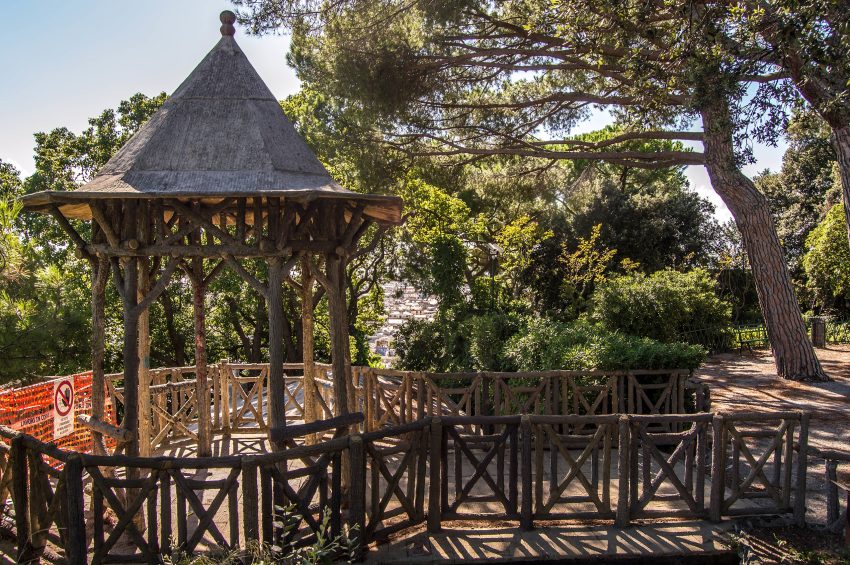
The Oriental Art Museum is one of the must-see places in Genoa for travellers seeking something serene, cultural, and slightly unexpected. Hidden within the 19th-century Villetta Di Negro park, the museum sits above the elegant Piazza Corvetto, surrounded by greenery and views toward the sea. Its rationalist building, designed by Mario Labò, was created specifically to house the extraordinary collection gifted to Genoa by Edoardo Chiossone, a Genoese engraver renowned for creating Japan's first modern banknotes.
This is also a great place to visit on a walking tour of Genoa, offering a quiet retreat from the city centre while immersing visitors in one of Europe's most impressive collections of Japanese art. The museum's location-high above busy streets yet only steps from the heart of the city-adds to its unique character and timeless charm.
Table of Contents
- History and Significance of Oriental Art Museum, Genoa
- Things to See and Do in Oriental Art Museum, Genoa
- How to Get to Oriental Art Museum, Genoa
- Practical Tips on Visiting Oriental Art Museum, Genoa
- Where to Stay close to Oriental Art Museum, Genoa
- Is Oriental Art Museum, Genoa Worth Visiting?
- FAQs for Visiting Oriental Art Museum, Genoa
- Nearby Attractions to Oriental Art Museum, Genoa
History and Significance of Oriental Art Museum, Genoa
The museum owes its existence to Edoardo Chiossone, a highly skilled engraver from Genoa who travelled to Japan in the late 19th century. There, his artistic and technical genius earned him international acclaim, particularly for designing the country's inaugural banknotes and governmental securities. His long career in Japan allowed him to amass a remarkable collection of art, objects, and cultural artefacts that captured the spirit of Meiji-era Japan.
This collection was bequeathed to Genoa and, in 1905, became the foundation of Italy's first museum dedicated entirely to Japanese art. Over the decades, it has grown into one of the most important collections in Europe, celebrated for its size, diversity, and exceptional craftsmanship. The pieces range from prints and sculptures to armour, ceramics, masks, and rare ritual objects.
The purpose-built museum, designed by Mario Labò, adds a layer of architectural significance. Its minimalist rationalist lines contrast beautifully with the ornate artistry inside, creating a space that both protects and honours Chiossone's legacy. Set within the leafy parkland of Villetta Di Negro, the museum stands as a testament to the enduring connection between Genoa and the Far East.
Things to See and Do in Oriental Art Museum, Genoa
The museum’s extensive collection showcases Japanese art in all its depth and variety. Visitors can admire delicate ukiyo-e prints, intricately crafted samurai armour, ceremonial masks, and refined lacquerware that reveal the aesthetics and traditions of Japanese culture. Each gallery highlights distinct artistic themes, providing insight into centuries of craftsmanship and symbolism.
One of the museum’s most fascinating aspects is the way it preserves Edoardo Chiossone’s vision. Many objects are displayed in a manner that reflects his original collecting philosophy, creating a personal narrative through the artefacts. The experience feels both intimate and scholarly, offering a unique window into the world he encountered in Japan.
Outside the museum, the Villetta Di Negro park invites visitors to linger. Walking through its pathways and terraces reveals tranquil views over Genoa, making the combination of art and nature especially rewarding. It's a peaceful way to round off a visit before returning to the busy streets below.
How to Get to Oriental Art Museum, Genoa
Genoa Cristoforo Colombo Airport is the nearest international gateway, with convenient bus and taxi connections to the city centre. From there, it is a short journey to Piazza Corvetto and the park surrounding the museum. For the best deals and a seamless booking experience, check out these flights to Genoa on Booking.com.
Travellers arriving by train can use Genova Brignole or Genova Piazza Principe stations, both of which offer straightforward bus or metro links to the city centre. A brief uphill walk from Piazza Corvetto leads into Villetta Di Negro and the museum entrance. Use Omnio to easily compare schedules, book train tickets, and find the best prices all in one place for a hassle-free journey across Italy.
Those travelling by car can park in garages near Piazza Corvetto before walking into the park, as the museum itself is located within a pedestrian-only green area. If you are looking to rent a car in Italy I recommend having a look at Discover Cars, first, as they compare prices and review multiple car rental agencies for you.
Practical Tips on Visiting Oriental Art Museum, Genoa
- Suggested tips: Combine the museum visit with a relaxed stroll through Villetta Di Negro; bring water in warmer months.
- Best time to visit: Late morning or early afternoon for peaceful galleries and good park views.
- Entrance fee in Euros: Usually around 5-7 EUR.
- Opening hours: Generally open Tuesday to Sunday; closed Mondays.
- Official website: Search “Museo d'Arte Orientale Chiossone Genoa” for updated details.
- How long to spend: Around 1 to 1.5 hours.
- Accessibility: Some parts of the park involve slopes; the museum itself has limited accessibility due to its historic layout.
- Facilities: Restrooms and a small information area.
- Photography tip: Capture the contrast of the modernist façade against the greenery of Villetta Di Negro.
- Guided tours: Offered occasionally and especially helpful for understanding Chiossone’s collecting history.
- Nearby food options: Numerous cafés and bistros around Piazza Corvetto provide quick meals or refreshments.
Where to Stay close to Oriental Art Museum, Genoa
Staying near Piazza Corvetto places you near both the museum and Genoa’s stylish central districts. Consider Hotel Bristol Palace, known for its classic elegance and convenient location. A refined boutique option is Hotel Bel Soggiorno, offering comfort near the city’s main boulevard. For those wanting a contemporary hotel close to major attractions, NH Genova Centro is an excellent choice.
Is Oriental Art Museum, Genoa Worth Visiting?
Yes, the Oriental Art Museum is absolutely worth visiting. Its extraordinary Japanese art collection, serene park setting, and fascinating backstory make it one of the top sights in Genoa. Whether you're drawn to Asian culture, fine craftsmanship, or quiet cultural spaces, the museum offers a refreshing and enriching experience.
What Other Travellers Say...

Edoardo Chiossone Museum of Oriental Art at Piazzale Giuseppe Mazzini showcases Japanese and wider Asian art, with highlights noted as samurai armor, bronze vases, Buddhist statues, textiles and other vessels, plus some imported Chinese pieces for comparison; visitors say the collection is small but varied and offers a useful glimpse into Japanese art, though exhibits and labels are mostly in Italian only, signage to the museum can be sparse and it sits after a walk through a pleasant park, and some visitors report limited visitor services (cash-only, occasional ticketing issues) while staff are described as friendly.


FAQs for Visiting Oriental Art Museum, Genoa
Nearby Attractions to Oriental Art Museum, Genoa
- Piazza Corvetto: A refined urban square framed by elegant architecture.
- Villetta Di Negro Park: Terraced gardens, fountains, and panoramic city views.
- Via XX Settembre: A major shopping and cultural boulevard in Genoa.
- Palazzo Ducale: A historic hub for exhibitions and cultural events.
- Teatro Carlo Felice: Genoa’s main opera house, offering performances and guided visits.
The Oriental Art Museum appears in our Complete Guide to Visiting Genoa!

Moira & Andy
Hey! We're Moira & Andy. From hiking the Camino to trips around Europe in Bert our campervan — we've been traveling together since retirement in 2020!
This website uses affiliate links which may earn a commission at no additional cost to you!
Planning Your Visit
Nearby Attractions
- Via Garibaldi Palaces (0.3) km
Palace - Soianata Castelletto (0.3) km
Viewing Point - National Gallery in Palazzo Spinola (0.5) km
Gallery and Historic Building - Doge’s Palace (0.5) km
Palace - Piazza De Ferrari (0.5) km
Square - Cathedral of San Lorenzo (0.5) km
Cathedral - Piazza Matteotti (0.6) km
Square - Church of Jesus and the Saints Ambrogio and Andrea (0.6) km
Church - Palazzo San Giorgio (0.6) km
Palace - Christopher Columbus House (0.6) km
Historic Building


