National Archaeological Museum, Venice
Museum in Venice
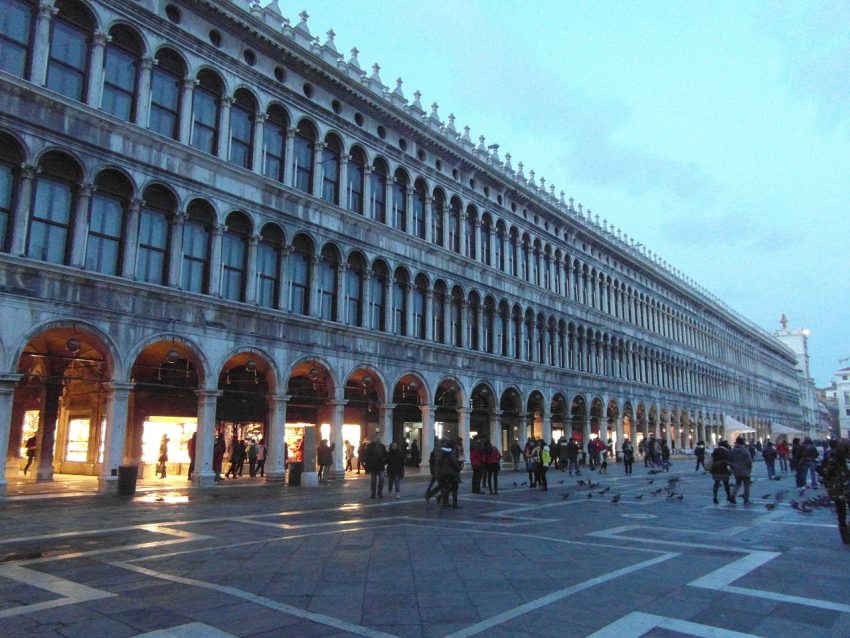
The National Archaeological Museum of Venice sits right on Piazza San Marco, yet it often feels like a secret room off the city's busiest stage. You enter the St Mark's complex and, almost immediately, the noise drops away into galleries of marble torsos, serene Roman portraits, and mythological figures that make you forget you are steps from the basilica crowds.
If you like the idea of balancing Venice's iconic views with something quieter and more reflective, this museum is one of the top attractions in Venice precisely because it is so easy to overlook. It also fits effortlessly into a walking tour of Venice: you can go from grand civic spectacle outside to intimate, detail-rich antiquity inside in the space of a few minutes.
Table of Contents
- History and Significance of the National Archaeological Museum of Venice
- Things to See and Do in the National Archaeological Museum of Venice
- How to Get to the National Archaeological Museum of Venice
- Practical Tips on Visiting the National Archaeological Museum of Venice
- Where to Stay Close to the National Archaeological Museum of Venice
- Is the National Archaeological Museum of Venice Worth Visiting?
- For Different Travelers
- FAQs for Visiting the National Archaeological Museum of Venice
- Nearby Attractions to the National Archaeological Museum of Venice
History and Significance of the National Archaeological Museum of Venice
The museum traces its origins to 1523, when Cardinal Domenico Grimani established a foundational collection that helped shape Venice's relationship with classical art. In a city built on trade and cosmopolitan taste, collecting antiquities was not just about beauty-it was a statement of scholarship, prestige, and connection to the ancient world that Venice admired and emulated.
Over time, the museum’s holdings expanded into a broad archaeological panorama. Alongside ancient sculpture, you will find smaller-scale objects-coins, gems, and carved stones-that reveal how people signaled identity, power, and belief in everyday life. It is the kind of collection that rewards curiosity: one minute you are reading a face in marble, the next you are peering at a miniature world cut into a gemstone.
What makes the museum especially compelling in Venice is its setting and its scope. It is not an isolated “archaeology-only” experience; it is part of the broader Piazza San Marco museum ecosystem, and it connects naturally to Venice's long tradition of collecting, cataloguing, and displaying art as a form of civic storytelling.
Things to See and Do in the National Archaeological Museum of Venice
Start with the sculpture rooms, because they set the tone immediately. Look for how the collection moves between idealized bodies and sharply individualized portraits-this contrast is one of the quickest ways to feel the difference between Greek aesthetic ideals and Roman social realism without needing a lecture to explain it.
Then slow down for the smaller objects: gems, cameos, and coins. These cases can look modest at first glance, but they are where the museum gets personal-faces of rulers, protective symbols, tiny inscriptions, and the kind of craftsmanship that makes you wonder how anyone worked at that scale.
If you are interested in the museum's broader range, keep an eye out for materials that push beyond the “classical” label, including Egyptian and Near Eastern presences within the wider archaeological deposits. Even brief encounters here can add surprising texture to your Venice day, because they hint at how collecting and scholarship in the city has always been outward-looking.
Finally, use the museum as a pace-changer. It is an ideal mid-day reset: step inside when Piazza San Marco is at its most intense, take an hour with antiquity, and return to the square with a calmer head and a sharper eye for detail.
How to Get to the National Archaeological Museum of Venice
The nearest airports are Venice Marco Polo (VCE) and Treviso (TSF). From either airport, you will typically connect into Venice via bus to Piazzale Roma and then continue by vaporetto or on foot toward Piazza San Marco. For the best deals and a seamless booking experience, check out these flights to Venice on Booking.com.
If you arrive by train, get off at Venezia Santa Lucia, then take a vaporetto down the Grand Canal (a scenic, practical option) or walk if you are traveling light and want to experience the city unfolding street by street. Use Omnio to easily compare schedules, book train tickets, and find the best prices all in one place for a hassle-free journey across Italy.
For buses (including airport shuttles), you will usually arrive at Piazzale Roma, where the simplest next step is vaporetto to the San Marco area, followed by a short walk into the Piazza museum entrances.
If you are traveling by car, park at Piazzale Roma or on the mainland in Mestre and continue into Venice by vaporetto and walking, since the historic center is car-free. If you are looking to rent a car in Italy I recommend having a look at Discover Cars, first, as they compare prices and review multiple car rental agencies for you.
Practical Tips on Visiting the National Archaeological Museum of Venice
- Entrance fee: €8.00 (includes the Monumental Rooms of the Biblioteca Nazionale Marciana); €2.00 ages 18–25.
- Opening hours: (Summer) 1 April – 31 October: Tuesday – Sunday: 10:00–18:00. (Winter) 1 November – 31 March: Tuesday – Sunday: 10:00–17:00. Closed on non-holiday Mondays; 1 January; 25 December.
- Official website: https://www.correr.visitmuve.it
- Best time to visit: Go late morning or mid-afternoon when Piazza San Marco is busiest outside-inside, you will appreciate the quiet even more, and the galleries feel less rushed.
- How long to spend: Plan 60-90 minutes for a satisfying visit, or 30-45 minutes if you focus on sculpture highlights and one or two object cases that catch your interest.
- Accessibility: The museum is in the San Marco complex, so the main challenge is navigating crowds and stone paving outside; once inside, take it slow and use benches when available to pace yourself.
- Facilities: Treat it as a museum stop rather than a full-service hub-plan your main café break before or after, as the Piazza area is better for quick pauses than long, quiet meals.
Where to Stay Close to the National Archaeological Museum of Venice
For a culture-heavy itinerary, base yourself in San Marco or just over the edge into Castello so you can reach the main sights early and return easily between stops; if your trip focus is transport convenience and straightforward arrivals, consider the Santa Lucia-Cannaregio edge and rely on vaporetto links to reach the Piazza without stress.
If you want to be able to step out and reach Piazza San Marco in minutes, Hotel Concordia is as central as it gets, ideal for early starts and late strolls when day-trippers thin out. For a classic Venetian stay close to both San Marco and La Fenice, Hotel Saturnia & International is a strong choice that still keeps you in easy walking range of the museum. If you prefer a polished boutique feel with quick access to both the Piazza and Rialto-side wandering, Splendid Venice - Starhotels Collezione places you right on one of the most convenient pedestrian corridors in the historic center.
Is the National Archaeological Museum of Venice Worth Visiting?
Yes, particularly if you are the kind of traveler who enjoys Venice more when you add depth, not just views. The location makes it almost effortless, but the experience feels like a genuine shift in time and mood-classical art, quieter rooms, and a focus on detail that contrasts beautifully with the spectacle of the Piazza outside.
It is also worth it because it complements Venice’s story rather than competing with it. You come out seeing the city’s collecting culture, its Renaissance intellectual ambitions, and its knack for turning “objects” into identity with a bit more clarity.
What Other Travellers Say...

Museo Archeologico Nazionale di Napoli, housed in a converted 17th-century palace at Piazza Museo 19, is packed with prehistoric artifacts, coins and ancient artworks that bring sites like Pompeii and Herculaneum into sharper focus; visitors praise its abundant statues, mosaics, frescoes and a notable Egyptian basement collection, advise allowing at least three to four hours to explore the expansive halls and inner courtyards, and note amenities include a café and bookshop though toilets can be sparse at times.


For Different Travelers
Families with Kids
This works best for families as a short, purposeful visit with a simple goal: choose three sculptures and make up a “story” about who they were and what they wanted to show the world. Kids often respond well to faces and body language in statues, and it keeps the museum from feeling abstract.
Pair it with a Piazza break that is more about movement than sitting still. Treat the museum as a calm interlude between bigger outdoor moments, and you will usually get a better experience than trying to stretch the visit too long.
Couples & Romantic Getaways
For couples, the museum is a smart way to escape the intensity of Piazza San Marco without leaving the neighborhood. The quiet, cool galleries feel intimate, and the conversation naturally shifts from “where next?” to “what do you notice?”-which is a nicer rhythm for a shared day.
It also pairs well with a slow, elegant route afterward. Step back out, take the long way through side lanes toward Castello or the waterfront, and you will feel the contrast between ancient stillness and Venetian city-life in a way that is genuinely memorable.
Budget Travelers
Budget travelers will appreciate that this is a high-impact stop concentrated in one place, so you are not spending money just to move around. If you are already planning to pay for one San Marco-area museum experience, this one can feel like a strong value because it adds variety beyond Venetian painting and palace rooms.
Make it part of a broader low-cost day by building a walking loop: view the Piazza early, use the museum as your mid-day indoor anchor, then wander out toward quieter lanes where Venice is at its best without costing anything.
History Buffs
History buffs should treat this as a “how to read the ancient world” stop rather than a checklist. Focus on portraiture-how power is communicated through hair, posture, and expression-and then move to objects like coins and gems, which are essentially portable propaganda and identity markers.
It is also a compelling Venice story in itself: the museum reflects how the city collected and curated antiquity as a form of cultural authority. You are not only seeing the ancient Mediterranean; you are also seeing Renaissance Venice's idea of what mattered enough to preserve.
FAQs for Visiting the National Archaeological Museum of Venice
Getting There
Tickets & Entry
Visiting Experience
Tours, Context & Itineraries
Photography
Accessibility & Facilities
Food & Breaks Nearby
Safety & Timing
Nearby Attractions to the National Archaeological Museum of Venice
- St Mark's Basilica: Venice's most famous church, where mosaics and atmosphere deliver immediate, unforgettable impact.
- Doge's Palace: A dramatic civic landmark that turns Venetian power and ceremony into a walk-through experience.
- Biblioteca Nazionale Marciana Monumental Rooms: A richly decorated cultural stop that pairs naturally with the museum’s classical focus.
- Museo Correr: A wide-ranging museum that adds Venice's social and political story to the Piazza's monumental setting.
- Rialto Bridge: A classic walking destination for canal views, market energy, and an easy next leg after San Marco.
The National Archaeological Museum appears in our Complete Guide to Visiting Venice!

Moira & Andy
Hey! We're Moira & Andy. From hiking the Camino to trips around Europe in Bert our campervan — we've been traveling together since retirement in 2020!
This website uses affiliate links which may earn a commission at no additional cost to you!
Planning Your Visit
(Summer) 1 April - 31 October: Tuesday - Sunday: 10:00-18:00.
(Winter) 1 November - 31 March: Tuesday - Sunday: 10:00-17:00.
Closed on non-holiday Mondays; 1 January; 25 December.
€8.00 (includes the Monumental Rooms of the Biblioteca Nazionale Marciana); €2.00 ages 18-25.
Nearby Attractions
- Procuratie Nuove (0.0) km
Historic Building - Caffè Florian (0.0) km
Café - Museo Correr (0.1) km
Historic Building and Museum - Procuratie Nuovissime (Newest Procuracies) (0.1) km
Historic Building - St Mark's Square (0.1) km
Square - Procuratie Vecchie, St Marks Square (0.1) km
Historic Building - St Mark's Campanile (0.1) km
Tower - Biblioteca Marciana (0.1) km
Historic Building and Library - Caffè Lavena (0.1) km
Café - Harry's Bar (0.1) km
Historic Building


