Musée Rochelais d’Histoire Protestante, La Rochelle
Museum in La Rochelle
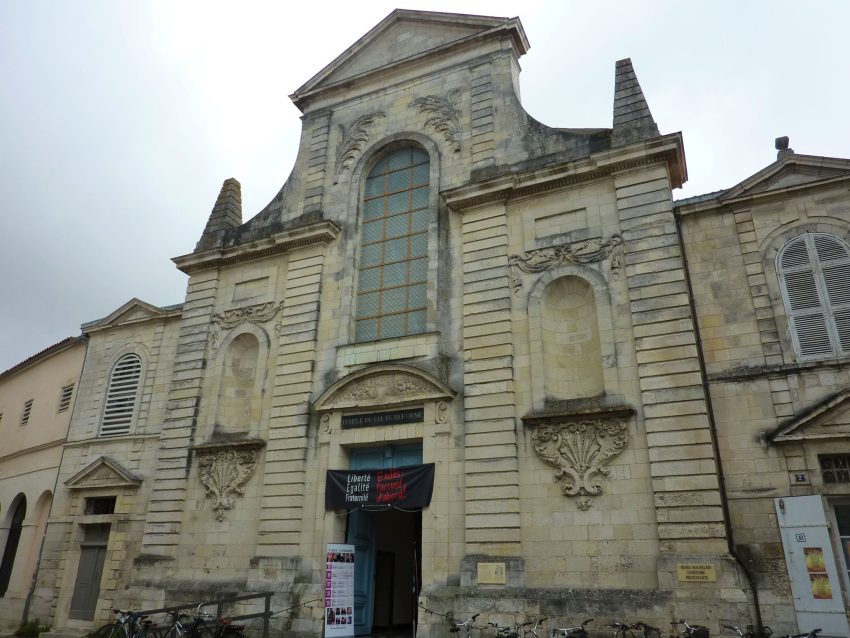
The Musée Rochelais d'Histoire Protestante is one of the things to do in La Rochelle for travellers interested in the city's religious heritage and its influential role in France's Protestant past. Set on Rue Saint-Michel within the former Récollets church, now the Protestant temple, the museum casts light on the life of Huguenots from the sixteenth century onward through rare artifacts, historic texts, and compelling storytelling. Its intimate setting and detailed chronology make it a great place to visit on a walking tour of La Rochelle, especially for those wanting to understand the city's pivotal role during the Reformation.
Founded in 1931 by Pastor Samuel Eynard and later renovated in 1995, the museum provides a thoughtful and well-organised chronicle of Protestant life in La Rochelle. From clandestine worship objects to portraits of prominent figures, its rooms reveal how faith, politics, and identity shaped local history and continue to resonate today.
Table of Contents
- History and Significance of Musée Rochelais d’Histoire Protestante
- Things to See and Do in the Musée Rochelais d’Histoire Protestante
- How to Get to Musée Rochelais d’Histoire Protestante
- Practical Tips on Visiting Musée Rochelais d’Histoire Protestante
- Where to Stay close to Musée Rochelais d’Histoire Protestante
- Is Musée Rochelais d’Histoire Protestante Worth Visiting?
- FAQs for Visiting Musée Rochelais d’Histoire Protestante
- Nearby Attractions to Musée Rochelais d’Histoire Protestante
History and Significance of Musée Rochelais d’Histoire Protestante
La Rochelle’s Protestant history is deeply rooted in the sixteenth and seventeenth centuries, when the city emerged as a major Huguenot centre and a stronghold of Reformist ideas. The museum, established in 1931, was created to preserve and share this heritage. Its home in the former Récollets church is itself symbolic, representing a reclaimed space transformed into a Protestant temple after centuries of religious change.
The museum earned the prestigious Musée de France label, recognising its cultural significance and the quality of its collections. These collections trace the trajectory of Protestant life across the region, from the early Reformation through dramatic turning points such as the Grand Siege of 1627-1628 and the Revocation of the Edict of Nantes in 1685. Each event left deep marks on La Rochelle's identity, shaping the city's architecture, population, and international connections.
Today the museum stands as both a historical repository and a place for reflection. Its stories illuminate the endurance of the Protestant community and its contributions to La Rochelle’s cultural landscape, offering visitors a nuanced perspective on the city’s spiritual and social evolution.
Things to See and Do in the Musée Rochelais d’Histoire Protestante
The museum is organised into three chronological rooms, each filled with documents, engravings, portraits, and objects illustrating the life of Protestants from the sixteenth century to modern times. Visitors can trace how ideas spread, how communities worshipped in secrecy, and how faith shaped personal and public life in La Rochelle.
Among its most compelling artifacts are communion cups and a portable pulpit used during the clandestine Desert period, when Protestants worshipped in hidden locations after the Revocation of the Edict of Nantes. These items offer a moving testimony to the dangers and resilience of religious practice during times of persecution.
Rare treasures include sixteenth-century ceramics by Bernard Palissy, a tapestry of the Ten Commandments from 1779, and a presumed portrait of Catherine de Parthenay, Duchess of Rohan, who played a major role in defending La Rochelle during the Huguenot Wars. The museum also houses an extensive library of seventeenth- and eighteenth-century works, including Bibles in European languages and literature related to the Refuge. Throughout the exhibits, visitors explore themes such as the Reformation, Protestant printers, maritime exchange, and the upheavals that shaped the community.
How to Get to Musée Rochelais d’Histoire Protestante
Located at 2 rue Saint-Michel in the heart of La Rochelle, the museum is easy to reach from surrounding historic streets. The nearest airport is La Rochelle-Île de Ré Airport, which offers convenient access to the city for domestic and European travellers. For the best deals and a seamless booking experience, check out these flights to La Rochelle on Booking.com.
Visitors arriving by train can reach the museum from La Rochelle-Ville station on foot in around 15-20 minutes or by local bus if preferred. You can use SNCF Connect to check schedules, compare routes, and purchase tickets for National (SNCF ) and regional trains (TER). For a more streamlined experience, we recommend using Omio, which allows you to easily compare prices, schedules, and book tickets for both National and Regional travel across all of Europe, all in one place.
Those travelling by car will find several public car parks around the old town, making it simple to explore the area on foot once parked. If you are looking to rent a car in France I recommend having a look at Discover Cars, first, as they compare prices and review multiple car rental agencies for you.
The museum is also served by city buses, providing flexible connections from various neighbourhoods.
Practical Tips on Visiting Musée Rochelais d’Histoire Protestante
- Suggested tips: Take your time to read the explanatory panels, as they provide essential context for understanding the exhibits.
- Best time to visit: Weekday mornings for a quiet experience.
- Entrance fee: Usually a small fee; check locally for exact pricing.
- Opening hours: Open year-round; hours may vary by season.
- Official website: Refer to La Rochelle’s heritage listings for updates.
- How long to spend: About 45-90 minutes depending on your interest in the subject.
- Accessibility: The museum is set within an older building; some areas may have limited accessibility.
- Facilities: Limited on-site facilities; cafés are available nearby.
- Photography tip: Capture the contrast of historic artifacts against the stone interior.
- Guided tours: Occasionally available; inquire at the reception.
- Nearby food options: Numerous cafés and small restaurants line Rue Saint-Michel and surrounding streets.
Where to Stay close to Musée Rochelais d’Histoire Protestante
Staying nearby allows you to explore La Rochelle’s cultural and historical core with ease. Hôtel Saint Nicolas is a comfortable option within walking distance of Rue Saint-Michel and the old town. For a stylish stay, Maisons du Monde Hôtel & Suites offers modern, well-designed rooms close to the market streets and harbour. Travellers seeking a boutique experience may enjoy Un Hôtel en Ville, appreciated for its charm and central location.
Is Musée Rochelais d’Histoire Protestante Worth Visiting?
Yes, the Musée Rochelais d'Histoire Protestante is absolutely worth visiting, especially for travellers interested in religious history, Reformation-era heritage, or La Rochelle's distinctive identity. Its rich artifacts, thoughtful displays, and evocative setting provide a deep and meaningful insight into the city's Protestant legacy. Whether you are a history enthusiast or simply curious about the city's past, the museum offers a rewarding and enlightening experience.
What Other Travellers Say...

Musée Protestant, at 2 Rue Saint-Michel in La Rochelle, presents the city's Protestant history through permanent displays and occasional temporary exhibitions, with multimedia elements, documents and artifacts that aim to tell the religious, cultural and political story of Protestantism locally; visitors praise the friendly welcome and an available English-language itinerary that offers an original way to explore the city, while others warn the posted opening times can be inaccurate and say the exhibition feels dated to some.


FAQs for Visiting Musée Rochelais d’Histoire Protestante
Nearby Attractions to Musée Rochelais d’Histoire Protestante
- Cloître des Dames Blanches: A peaceful 17th-century cloister now used as a cultural venue.
- Cathédrale Saint-Louis: La Rochelle's Neoclassical cathedral with remarkable artwork.
- Marché Central: The lively central market filled with fresh local produce.
- Tour de la Lanterne: A historic lighthouse-prison with maritime carvings.
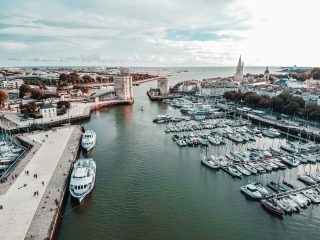
- Vieux Port de La Rochelle: The iconic harbour area lined with boats, cafés, and historic views.
The Musée Rochelais d’Histoire Protestante appears in our Complete Guide to Visiting La Rochelle!

Moira & Andy
Hey! We're Moira & Andy. From hiking the Camino to trips around Europe in Bert our campervan — we've been traveling together since retirement in 2020!
This website uses affiliate links which may earn a commission at no additional cost to you!
Planning Your Visit
June to September every day except Sundays, from 2:30 p.m. to 6 p.m.
€5
Nearby Attractions
- Cloître des Dames Blanches (0) km
Church - Hôtel de Ville (0.2) km
Town Hall - Le Bunker de La Rochelle (0.2) km
Museum - Marché Central (0.3) km
Market - Rue des Templiers (0.3) km
Historic Site - Musée du Nouveau Monde (0.3) km
Museum - Maison Henri II (0.3) km
Historic Building - Porte de la Grosse-Horloge (0.3) km
City Gate - Cathédrale Saint-Louis (0.4) km
Cathedral - La Rochelle Vieux Port (0.5) km
Port