Musée National de l'Éducation in Rouen
Museum in Rouen
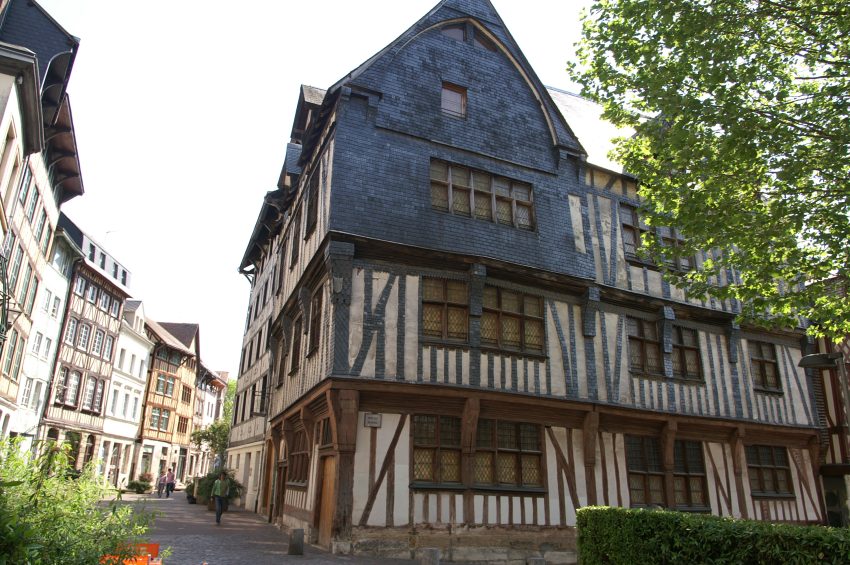
Tucked into Rouen’s historic core, the Musée National de l’Éducation is a wonderfully specific museum that turns the everyday details of school life into a surprisingly gripping story. Set inside the half-timbered Maison des Quatre Fils Aymon, it explores how classrooms shaped French society, from strict 19th-century discipline to the changing ideas of childhood, citizenship, and learning.
It's one of the top attractions in Rouen for travelers who like museums that feel intimate, human, and a little bit nostalgic, and it fits easily into a walking tour of Rouen when you want a break from churches and big-ticket monuments. Even if you don't have a personal connection to French schooling, the objects here are universal enough to spark memories and curiosity: ink pens, slates, posters, toys, and the small rituals that defined generations of students.
Table of Contents
- History and Significance of the Musée National de l’Éducation
- Things to See and Do in the Musée National de l’Éducation
- How to Get to the Musée National de l’Éducation
- Practical Tips on Visiting the Musée National de l’Éducation
- Where to Stay Close to the Musée National de l’Éducation
- Is the Musée National de l’Éducation Worth Visiting?
- For Different Travelers
- FAQs for Visiting Musée National de l’Éducation
- Nearby Attractions to the Musée National de l’Éducation
History and Significance of the Musée National de l’Éducation
The museum’s roots reach back to the late 19th century, when the modern French school system was being reshaped around secular, compulsory education. That context matters, because the collection isn’t just about old objects; it’s about what a country chose to teach, what it wanted children to become, and how those values were reinforced through books, images, and classroom routines.
Housing the museum in a 15th-century timber-framed building adds a quiet sense of continuity, as if you’re stepping into layers of time before you even reach the exhibits. The setting makes the experience feel personal rather than monumental, which suits a collection built around childhood, habits, and everyday life.
Beyond its public galleries, the museum also functions as a serious heritage and research institution, with vast reserves of documents and teaching materials that support exhibitions and scholarship. That dual identity gives the visit an extra weight: you’re not just browsing nostalgia, you’re seeing a carefully preserved record of how education shaped modern France.
Things to See and Do in the Musée National de l’Éducation
One of the highlights is the recreated late 19th-century classroom, where the polished desks and period details make it easy to imagine the atmosphere of the Jules Ferry era. It’s the kind of display that pulls you in quickly, even if you only planned a short visit, because it translates history into something you can almost feel.
Take your time with the smaller objects, because they’re where the museum becomes most charming: slates and chalk, reward cards, exercise books, classroom posters, uniforms, and educational toys that reflect how learning was encouraged, controlled, and celebrated. The collection rewards slow looking, especially if you enjoy spotting how design, language, and social norms changed over time.
If your timing works, the temporary exhibitions are often the most playful part of the museum, exploring themes like childhood culture, educational imagery, or popular media that shaped young minds. These rotating displays keep the museum feeling fresh, and they’re a good reason to visit even if you’ve already seen Rouen’s headline sights.
How to Get to the Musée National de l’Éducation
Rouen is easiest to reach via Paris-area airports for most international travelers, with onward connections into Normandy by rail or road. For the best deals and a seamless booking experience, check out these flights to Rouen on Booking.com.
From Rouen-Rive-Droite station, the simplest approach is to continue into the historic centre on foot or by local transport, then finish with a short walk through the old-town streets. You can use SNCF Connect to check schedules, compare routes, and purchase tickets for National (SNCF ) and regional trains (TER). For a more streamlined experience, we recommend using Omio, which allows you to easily compare prices, schedules, and book tickets for both National and Regional travel across all of Europe, all in one place.
If you’re arriving by car, plan to park once in a public car park on the edge of the centre and walk in, since the historic core is more comfortable on foot than by vehicle. If you are looking to rent a car in France I recommend having a look at Discover Cars, first, as they compare prices and review multiple car rental agencies for you.
Local buses and taxis also work well for the final hop if you’d rather save your steps for exploring once you arrive.
Practical Tips on Visiting the Musée National de l’Éducation
- Entrance fee: Free entry.
- Opening hours: Daily: 13:30-18:15; Closed on Tuesdays.
- Official website: https://www.munae.fr/
- Best time to visit: Weekday mornings are ideal for a quieter visit, especially if you want to linger over the object displays without feeling rushed. Rainy afternoons are also perfect, because it's an easy, cozy indoor stop that still feels distinctly Rouen.
- How long to spend: Plan for 60-90 minutes for a satisfying visit, or closer to two hours if you want to read labels carefully and include any temporary exhibitions. It’s a great “in-between” museum when you want depth without committing your whole day.
- Accessibility: The museum is in the historic centre, so expect old-town paving outside and a heritage building layout inside. If step-free access matters, it’s worth checking ahead for the easiest entry route and any lift availability.
- Facilities: Expect a museum-style visit rather than a large complex, with the essentials focused on exhibitions and interpretation. For cafés and longer breaks, the surrounding old-town streets give you plenty of easy options before or after.
Where to Stay Close to the Musée National de l’Éducation
For a culture-heavy itinerary, base yourself in central Rouen around the cathedral quarter and Place du Vieux-Marché so you can walk to the main sights; if your trip prioritizes onward connections and early departures, staying nearer Rouen-Rive-Droite station is often more practical.
For a high-comfort stay in the historic centre, Hôtel de Bourgtheroulde, Autograph Collection pairs heritage character with an excellent central location. If you want something central and literary-themed, Hôtel Littéraire Gustave Flaubert is a strong choice for walking everywhere without hassle. For a simpler old-town base that keeps you close to the cathedral streets, Hôtel de la Cathédrale is well placed for early starts and full sightseeing days.
Is the Musée National de l’Éducation Worth Visiting?
Yes, especially if you enjoy museums that make big themes feel personal. It’s a thoughtful, often charming visit that connects schooling to everyday life, showing how ordinary objects carried ideas about discipline, citizenship, and childhood.
It’s also a great choice when you want something different from Rouen’s Gothic-heavy sightseeing. The scale is manageable, the setting is atmospheric, and the experience tends to stay with you because it’s rooted in shared human memories of learning and growing up.
What Other Travellers Say...

The National Museum of Education at 185 Rue Eau de Robec explores the history of schooling in France from the 16th century to the present, housed in an original, well-restored medieval building; visitors praise its engaging exhibits such as a full-size historic classroom and nostalgic classroom objects, papier-mâché teaching aids and student paintings, note helpful staff and free admission, while some find the displays limited to a single classroom and unevenly organized.


For Different Travelers
Families with Kids
This museum can work very well for families because so much of the collection is visual and object-based, from toys to classroom tools. The recreated classroom is an easy hook for kids, and it often sparks good conversations about how school used to feel.
To keep it enjoyable, treat it as a shorter, curiosity-led visit rather than trying to read everything. Pair it with a nearby snack stop afterward so the museum feels like part of a relaxed old-town day rather than a “serious” lesson.
Couples & Romantic Getaways
For couples, this is a quietly memorable stop because it invites shared nostalgia and small observations rather than big-ticket spectacle. It’s the kind of museum where you end up comparing memories, laughing at old-fashioned rules, and noticing how design and childhood culture evolved.
It also makes a good balance to Rouen’s grand monuments, giving you a different texture to the day. If you like slow travel, it’s an ideal “pause museum” before continuing your walk through the historic centre.
Budget Travelers
Budget travelers get excellent value here because it delivers a distinctive Rouen experience without the time commitment of a major museum complex. The setting and collection feel genuinely specific to place, so it doesn't feel like something you could see anywhere.
It’s also a smart rainy-day option that keeps your itinerary moving without spending on transport or pricey activities. Combine it with an old-town walking loop and you’ve got a full, satisfying half-day at low cost.
History Buffs
History lovers will appreciate how the museum connects politics and society to the daily mechanics of teaching, from posters and textbooks to the values embedded in classroom routines. It’s a bottom-up view of national history, told through what children were shown, told, and expected to become.
If you enjoy social history, give yourself time to read labels and look closely at the imagery, because that’s where the museum becomes most revealing. It’s less about famous events and more about the long, quiet shaping of a country through education.
FAQs for Visiting Musée National de l’Éducation
Getting There
Tickets & Entry
Visiting Experience
Tours, Context & Itineraries
Photography
Accessibility & Comfort
Nearby Attractions to the Musée National de l’Éducation
- Rouen Cathedral: A Gothic landmark with an extraordinary façade and a powerful sense of place in the heart of the old town.
- Rue du Gros-Horloge: A classic pedestrian street lined with half-timbered buildings, shops, and a lively Rouen atmosphere.
- Gros-Horloge: The iconic astronomical clock arch that feels like a signature “you're in Rouen” moment.
- Place du Vieux-Marché: The historic square tied to Joan of Arc's final moments, now filled with cafés and everyday city life.
- Palais de Justice de Rouen: A monumental late-medieval civic building with intricate stonework and strong architectural presence.
The Musée National de l'Éducation in Rouen appears in our Complete Guide to Visiting Rouen!

Moira & Andy
Hey! We're Moira & Andy. From hiking the Camino to trips around Europe in Bert our campervan — we've been traveling together since retirement in 2020!
This website uses affiliate links which may earn a commission at no additional cost to you!
Planning Your Visit
Daily: 13:30-18:15; Closed on Tuesdays.
Free entry.
Nearby Attractions
- Église Saint-Ouen (0.2) km
Abbey - Aître Saint Maclou (0.2) km
Historic Building - Place du Général-de-Gaulle (0.3) km
Square - Historial Jeanne d’Arc in Rouen (0.4) km
Museum - Rouen Cathedral (0.5) km
Cathedral - Musée Le Secq des Tournelles (0.6) km
Museum - Musée des Beaux-Arts (0.6) km
Museum - Palais de Justice de Rouen (0.7) km
Historic Building - Muséum d’Histoire Naturelle de Rouen (0.7) km
Museum - Rue du Gros-Horloge (0.7) km
Historic Site and Street