Musee d'Histoire Naturelle et d'Ethnographie, Colmar
Attraction and Museum in Colmar
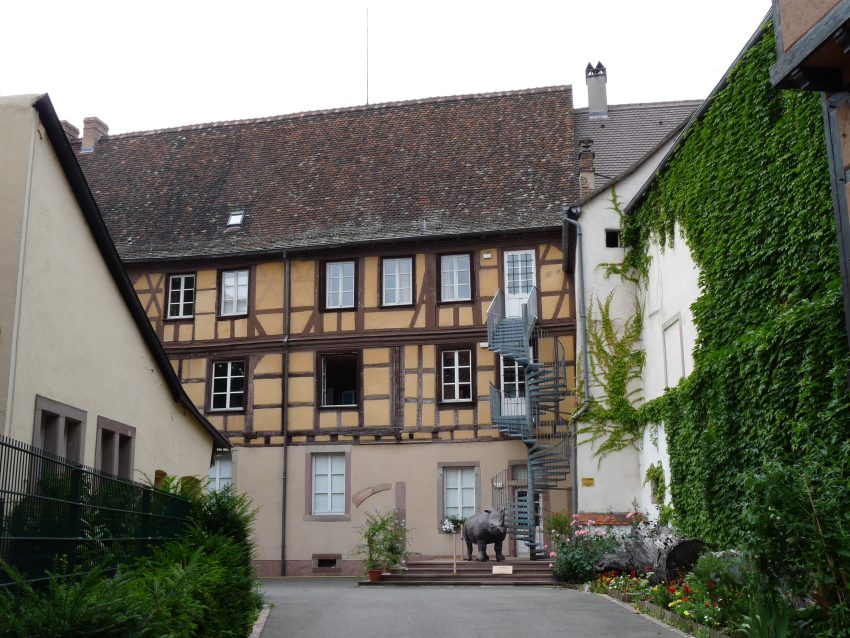
Tucked into Colmar's storybook old town near Petite Venise, the Musee d'Histoire Naturelle et d'Ethnographie is a compact museum that mixes natural history with objects from cultures around the world. It's the kind of place that surprises you: one moment you're face-to-face with vintage taxidermy and fossils, the next you're exploring Egyptology and ethnographic collections.
Because it sits right in the historic center, it's easy to add on to a walking tour of Colmar's canals, half-timbered streets, and market area. It also works well as a rainy-day plan or a one-hour “between lunch and dinner” visit when you want something memorable without committing a whole afternoon.
Table of Contents
- History and Significance of the Musee d’Histoire Naturelle et d’Ethnographie
- Things to See and Do in the Musee d’Histoire Naturelle et d’Ethnographie
- How to Get to the Musee d’Histoire Naturelle et d’Ethnographie
- Practical Tips on Visiting the Musee d’Histoire Naturelle et d’Ethnographie
- Where to Stay Close to the Musee d’Histoire Naturelle et d’Ethnographie
- Is the Musee d’Histoire Naturelle et d’Ethnographie Worth Visiting?
- For Different Travelers
- FAQs for Visiting Musee d’Histoire Naturelle et d’Ethnographie
- Nearby Attractions to the Musee d’Histoire Naturelle et d’Ethnographie
History and Significance of the Musee d’Histoire Naturelle et d’Ethnographie
The museum grew out of Colmar’s long tradition of learned societies and collecting, with roots in the 19th century when natural sciences and global expeditions fueled public curiosity. Over time, the collections expanded through research, donations, and the work of dedicated local enthusiasts.
Today, its significance is in the blend: regional and exotic natural specimens sit alongside ethnographic objects and an Egyptology component that many visitors don't expect to find in a small Alsatian city. That mix makes the museum feel like a cabinet of curiosities with a distinctly Colmar identity.
It also plays a local educational role, hosting activities and workshops that connect the collections to contemporary themes like biodiversity, conservation, and how museums care for fragile objects.
Things to See and Do in the Musee d’Histoire Naturelle et d’Ethnographie
Start with the natural history rooms, where the taxidermy collection is a major draw. Visitors often notice the older mounting styles and expressions, which makes the displays feel both historic and oddly charming, especially if you’ve only seen modern museum taxidermy.
Don’t miss the fossils and prehistoric elements, which are particularly fun if you’re visiting with kids. If you’re traveling as a family, look out for child-friendly angles like dinosaur-themed features and hands-on style activities that can make the visit feel more interactive.
The museum’s Egyptology and ethnographic sections are the “wow” factor for many travelers: mummies and ancient artifacts paired with objects from different parts of the world. Because the museum is small, it’s easy to do a full loop without fatigue, then circle back to your favorite cases for a closer look.
How to Get to the Musee d’Histoire Naturelle et d’Ethnographie
The nearest major airports are EuroAirport Basel Mulhouse Freiburg (BSL/MLH/EAP) and Strasbourg Airport (SXB), with Zurich Airport (ZRH) also a solid option for international routes. For the best deals and a seamless booking experience, check out these flights to Colmar on Booking.com.
Colmar is well-connected by rail, and arriving by train is one of the easiest ways to visit without worrying about parking; from Colmar station you can walk into the old town and reach the museum on foot. You can use SNCF Connect to check schedules, compare routes, and purchase tickets for National (SNCF ) and regional trains (TER). For a more streamlined experience, we recommend using Omio, which allows you to easily compare prices, schedules, and book tickets for both National and Regional travel across all of Europe, all in one place.
If you're driving, Colmar is straightforward to reach via Alsace's main road network, and you can use public parking near the center before continuing on foot into the historic streets. If you are looking to rent a car in France I recommend having a look at Discover Cars, first, as they compare prices and review multiple car rental agencies for you.
Practical Tips on Visiting the Musee d’Histoire Naturelle et d’Ethnographie
- Official website: https://www.museumcolmar.org/
- Entrance fee: Adults: €6.00; Reduced: €4.50; Under 7: free.
- Opening hours: (School period) Tuesday – Friday: 09:00–12:00 & 14:00–17:00; Saturday – Sunday: 10:00–12:00 & 14:00–18:00. (Vacation period, Zone B) Tuesday – Sunday: 10:00–12:00 & 14:00–18:00. Closed on Monday.
- Best time to visit: Aim for a morning slot right at opening for a calmer experience, especially in peak Alsace travel months. If you’re sightseeing all day, it’s also a great mid-afternoon indoor break.
- How long to spend: Plan about 60–90 minutes for a comfortable visit, longer if you like reading labels closely or visiting with curious kids.
- Accessibility: The building layout makes wheelchair circulation difficult, so plan ahead if step-free access is essential.
- Facilities: Expect a small-museum setup rather than a big complex; use nearby old-town cafés for longer breaks before or after.
Where to Stay Close to the Musee d’Histoire Naturelle et d’Ethnographie
Base yourself in central Colmar (Old Town/Petite Venise) to walk everywhere and enjoy the city early and late, after day-trippers leave.
For a classic, canal-adjacent stay with immediate access to Petite Venise strolls, consider: Hôtel Le Maréchal It’s special for its storybook setting and convenience for dawn and evening walks.
If you want a polished, full-service feel right in the heart of town, add: Hôtel Maison Turenne It’s a strong pick for comfort and an easy walk to both the museum and the main old-town sights.
For a boutique option with a stylish, contemporary edge close to the center: James Boutique Hôtel It’s included for design-forward rooms and a quieter vibe while staying walkable.
If you prefer a well-known, upscale property with a refined atmosphere: Hôtel Cour du Corbeau Colmar - MGallery It stands out for its heritage character and a romantic, special-occasion feel.
For a convenient, reliable base near the station (useful if you’re day-tripping the Alsace Wine Route by train): Grand Hôtel Bristol It’s on the list for transport practicality and an easy walk or quick taxi to the old town.
Is the Musee d’Histoire Naturelle et d’Ethnographie Worth Visiting?
Yes, especially if you like “small but memorable” museums. The combination of old-school natural history displays, fossils, and unexpected Egyptology/ethnography makes it feel like a concentrated dose of discovery, and many travelers find the value strong for the time spent.
Honest Pivot: if you only enjoy large, highly interactive museums with extensive multilingual interpretation, you may find this visit too compact and some explanations too limited. In that case, prioritize Colmar’s outdoor charm, canals, and architectural wandering, then choose one larger museum experience in a nearby city.
What Other Travellers Say...

Google reviewers describe a small but engaging museum with a strong mix of natural history and world-culture collections. Common highlights include the vintage taxidermy displays, fossils/dinosaur elements that work well for younger kids, and the Egyptology and ethnographic sections. The main drawbacks mentioned are that the museum is compact (so it’s a short visit) and that some visitors find the explanations limited if you don’t read French.


For Different Travelers
This museum works best as a flexible add-on: a quick cultural stop on a walking day, a rainy-weather backup, or a family-friendly hour that breaks up sightseeing. Here’s how it tends to land depending on your travel style.
Families with Kids
For families, the big win is the immediate visual impact: animals, fossils, and dinosaur-related themes are easy for kids to connect with. Because the museum is not huge, it’s also manageable for shorter attention spans.
Pair it with a simple old-town itinerary: a canal walk, a snack stop, then the museum as the “indoor highlight.” If your kids love science, plan a little extra time to revisit favorite cases and talk through what they’re seeing.
Couples & Romantic Getaways
Couples often enjoy this as a low-key shared discovery, especially if you like quirky collections and conversation starters. It's also a nice contrast to Colmar's romantic outdoor scenery—an indoor interlude before heading back to Petite Venise for photos.
Make it part of a slow day: morning market, museum visit, then a café or wine bar nearby. The museum’s compact size keeps it from feeling like it’s taking over your itinerary.
Budget Travelers
Budget travelers tend to appreciate the good “time-to-cost” ratio: you can see a lot in about an hour without paying for a big-ticket attraction. It’s also centrally located, so you won’t spend extra on transport.
To keep costs down, combine it with free old-town wandering, churches, and canal viewpoints. Use the museum as your paid anchor activity for the day.
History Buffs
History lovers will enjoy the museum’s 19th-century collecting spirit and the way older display styles reveal how museums used to present science and the wider world. The Egyptology and ethnographic objects add another layer beyond local Alsace history.
Go in with curiosity about context: look for clues about provenance, materials, and how collections were assembled. It’s a rewarding stop if you like the history of ideas as much as the objects themselves.
FAQs for Visiting Musee d’Histoire Naturelle et d’Ethnographie
Getting There
Tickets & Entry
Visiting Experience
Tours, Context & Itineraries
Photography
Accessibility & Facilities
Food & Breaks Nearby
Safety & Timing
Nearby Attractions to the Musee d’Histoire Naturelle et d’Ethnographie
- Petite Venise: Colmar’s postcard canal area, perfect for a short scenic loop and photos.
- Marché Couvert de Colmar: A covered market where you can browse local produce and grab an easy snack.
- Musée Unterlinden: Colmar’s flagship art museum, ideal if you want a bigger museum experience.
- Koïfhus (Ancienne Douane): A historic building in the center that adds architectural context to your old-town walk.
- Collégiale Saint-Martin: The city’s landmark church, worth a quick stop for atmosphere and architecture.
The Musee d'Histoire Naturelle et d'Ethnographie appears in our Complete Guide to Visiting Colmar!

Moira & Andy
Hey! We're Moira & Andy. From hiking the Camino to trips around Europe in Bert our campervan — we've been traveling together since retirement in 2020!
This website uses affiliate links which may earn a commission at no additional cost to you!
Planning Your Visit
(School period) Tuesday - Friday: 09:00-12:00 & 14:00-17:00; Saturday - Sunday: 10:00-12:00 & 14:00-18:00.
(Vacation period, Zone B) Tuesday - Sunday: 10:00-12:00 & 14:00-18:00.
Closed on Monday.
Adults: €6.00; Reduced: €4.50; Under 7: free.
Nearby Attractions
- Statue du Petit Vigneron (0.1) km
Attraction, Sculpture and Statue - Marche Couvert (0.1) km
Attraction, Historic Building and Market - Little Venice and Fishmongers’ Wharf (0.1) km
Area, Canal and Street - Fontaine Roesselmann (0.2) km
Attraction, Fountain and Monument - Place des Six Montagnes Noires (0.2) km
Area, Fountain and Square - Maison des Chevaliers de Saint-Jean (0.2) km
Historic Building and Historic Site - Grand Rue (0.2) km
Area, Attraction and Street - Old Custom House Square and Schwendi Fountain (0.2) km
Fountain, Historic Building and Square - Manneken-Pis de Colmar (0.2) km
Attraction, Fountain and Sculpture - Ancienne Douane (0.2) km
Historic Building, Historic Site and Notable Building