Musee des Troupes de Montagne, Grenoble
Historic Site and Museum in Grenoble
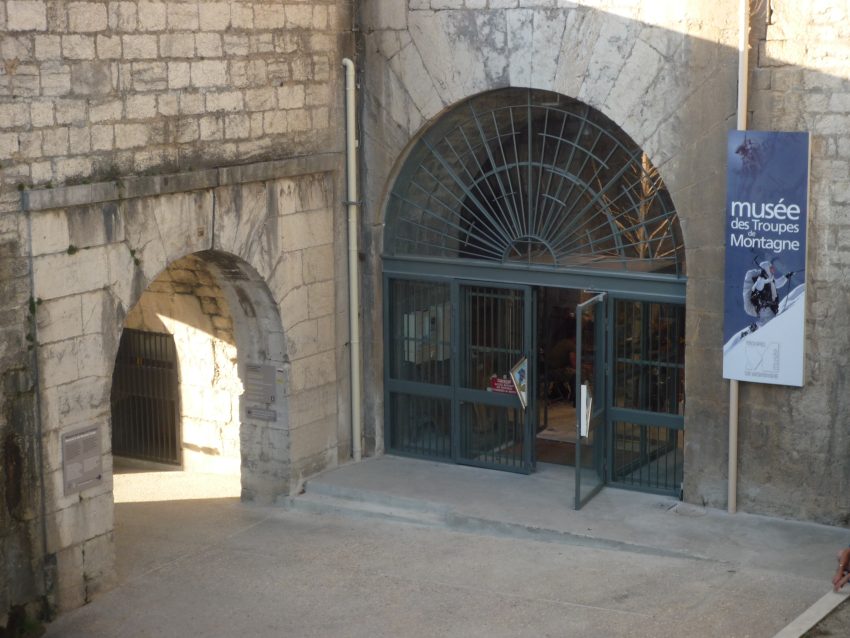
Perched inside Fort de la Bastille above Grenoble, the Musee des Troupes de Montagne is a compact, modern museum dedicated to France's elite mountain soldiers and the Alpine environment that shaped their training, tactics, and identity. It's an easy add-on to a Bastille visit, pairing well with the fort's viewpoints and the classic ride up on the Grenoble cable car.
Because the museum sits in one of the city's most scenic spots, it also works beautifully as a stop on a self-guided walking tour: start in Grenoble's historic center, cross toward the cable-car station by the Isère, ride up to the Bastille, then finish with the museum before strolling the ramparts for panoramic views over the city and surrounding peaks.
Table of Contents
- History and Significance of the Musee des Troupes de Montagne
- Things to See and Do in the Musee des Troupes de Montagne
- How to Get to the Musee des Troupes de Montagne
- Practical Tips on Visiting the Musee des Troupes de Montagne
- Where to Stay Close to the Musee des Troupes de Montagne
- Is the Musee des Troupes de Montagne Worth Visiting?
- For Different Travelers
- FAQs for Visiting Musee des Troupes de Montagne
- Nearby Attractions to the Musee des Troupes de Montagne
History and Significance of the Musee des Troupes de Montagne
The museum tells the story of the French mountain troops, a specialist branch created to operate in harsh alpine terrain where weather, altitude, and logistics can be as decisive as any battle. Rather than focusing only on weapons and uniforms, the narrative emphasizes how mountain warfare evolved and how soldiers adapted to the environment.
Its location inside Fort de la Bastille is part of the experience: you're learning about alpine military history while standing above Grenoble, a gateway city to major mountain ranges and a long-time hub for alpine culture. The setting helps connect the exhibits to the landscape you can see from the fort's terraces.
Beyond the historical timeline, the museum’s significance is also cultural. It preserves a distinct regional identity tied to the Alps and highlights the human side of service in extreme conditions, from training and equipment to the realities of deployment.
Things to See and Do in the Musee des Troupes de Montagne
Expect a small but information-rich visit with clear interpretive panels and a well-structured route that makes it easy to follow the story even if you’re not a military-history specialist. Many visitors appreciate the museum’s organization and the way it builds context around key periods and turning points.
If you like audio-guided visits, plan to use the multilingual audio guide to add detail and structure as you move through the galleries. It’s especially helpful for non-French speakers and for anyone who wants a deeper explanation of the objects and scenes.
One of the most memorable, hands-on moments for many travelers is the chance (when offered) to try on pieces of soldier equipment, which makes the physical demands of mountain operations feel very real. Pair your museum time with a slow loop around the Bastille viewpoints afterward to connect the exhibits to the alpine terrain beyond.
How to Get to the Musee des Troupes de Montagne
For flights, the most convenient gateways are Lyon–Saint Exupéry Airport (often the easiest for international connections) and Grenoble Alpes Isère Airport (more limited and seasonal), with Geneva Airport also a common option depending on routes and prices. For the best deals and a seamless booking experience, check out these flights to Grenoble on Booking.com.
Grenoble is well connected by rail, and arriving at Gare de Grenoble makes it straightforward to reach the city center by tram or on foot before heading to the Bastille area. You can use SNCF Connect to check schedules, compare routes, and purchase tickets for National (SNCF ) and regional trains (TER). For a more streamlined experience, we recommend using Omio, which allows you to easily compare prices, schedules, and book tickets for both National and Regional travel across all of Europe, all in one place.
If you're driving, aim for central Grenoble parking and then continue to the Bastille via the cable car or on foot to avoid tight, busy city streets. If you are looking to rent a car in France I recommend having a look at Discover Cars, first, as they compare prices and review multiple car rental agencies for you.
From central Grenoble, the simplest approach is to take the Grenoble-Bastille cable car up to the fort, then walk a short distance within the Bastille complex to the museum. Strong walkers can also climb up via the Bastille footpaths for a scenic (and steeper) approach.
Practical Tips on Visiting the Musee des Troupes de Montagne
- Official website: https://www.museedestroupesdemontagne.fr/
- Entrance fee: Free. Audio guide rental: €2.
- Opening hours: Monday: Closed. Tuesday – Sunday: 11:00–18:00.
- Best time to visit: Go earlier in the afternoon for a calmer visit, then stay for late-day views from the Bastille if the weather is clear.
- How long to spend: Plan 45–90 minutes for the museum, plus extra time for the fort viewpoints and a short Bastille walk.
- Accessibility: The Bastille area involves slopes and uneven surfaces; using the cable car reduces effort, but expect some walking within the fort.
- Facilities: You’ll find visitor services around the Bastille complex; treat the museum as a focused stop and plan breaks at nearby cafés on the Bastille or back in the city.
Where to Stay Close to the Musee des Troupes de Montagne
Base yourself in central Grenoble near the historic center and the cable-car station for the easiest access to the Bastille and the best overall city experience.
For a classic, comfortable stay with a central location that makes it easy to walk to restaurants and the riverfront before heading up to the Bastille, consider: Le Grand Hôtel Grenoble
If you want a stylish, design-forward option close to major sights and convenient transit links for day trips into the Alps, this is a strong pick: OKKO Hotels Grenoble Jardin Hoche
For travelers who prioritize a reliable, modern chain hotel near the train station (useful if you’re arriving late or leaving early), choose: Novotel Grenoble Centre
If you prefer an apartment-style stay with extra space and a practical setup for longer visits, families, or remote work, look at: Residhome Grenoble Caserne de Bonne
For a more budget-friendly base that still keeps you within easy reach of the center and the Bastille cable car area, try: Ibis Grenoble Centre Bastille
Is the Musee des Troupes de Montagne Worth Visiting?
Yes, especially if you're already going up to Fort de la Bastille. It's small but consistently impresses visitors with how well it's organized, how clearly it explains the evolution of the mountain troops, and how much context it packs into a short visit.
Honest Pivot: If military history doesn’t interest you at all and your Bastille time is limited, you may be happier prioritizing the panoramic viewpoints, a longer fort walk, or a café stop instead. Likewise, if you strongly prefer large art museums or highly interactive science exhibits, this niche museum may feel more text-and-context heavy than you want.
What Other Travellers Say...

Google reviewers rate this museum extremely highly and often describe it as a small but surprisingly rich stop inside Fort de la Bastille. Common highlights include clear organization, lots of informative panels, and a well-regarded multilingual audio guide, plus friendly staff and occasional hands-on moments like trying equipment. The main drawbacks mentioned are that it's niche (best if you're interested in military or alpine history) and that a few exhibits can feel lightly explained without the audio guide.


For Different Travelers
The museum’s biggest strength is that it’s easy to fit into a Bastille day without needing a big time commitment. It can be a quick cultural stop or a deeper dive if you enjoy reading the panels and following the full timeline.
Families with Kids
Kids who like uniforms, gear, and real-world stories often engage quickly, especially when there’s a hands-on element like trying equipment. Because the museum is compact, it’s easier to manage than a sprawling institution.
To keep it fun, pair the visit with the cable car ride and a short loop to the viewpoints so the day has variety. If your kids are very young and restless, plan a shorter museum pass and spend more time outside on the Bastille paths.
Couples & Romantic Getaways
For couples, the museum works best as a meaningful stop before or after a scenic Bastille walk. The setting is the romantic part: the fort, the views, and the sense of being above the city.
If one person is more interested than the other, it’s still a fair compromise because the visit is short and the payoff is the shared Bastille experience. Finish with a drink or dessert back in Grenoble’s center.
Budget Travelers
This is a strong budget-friendly attraction because it’s a focused visit that pairs with free Bastille viewpoints and walking paths. If you’re watching costs, you can build a full half-day around the Bastille without needing multiple paid tickets.
To save more, walk up one of the Bastille trails (if you're comfortable with the climb) and take public transport around Grenoble rather than taxis. Bring water and a snack so you can linger at viewpoints without buying every break.
History Buffs
History lovers will appreciate the museum’s clear narrative and the way it links alpine terrain to strategy, training, and identity. It’s particularly rewarding if you enjoy understanding how specialized units evolve over time.
To deepen the visit, take your time with the panels and use the audio guide for added context. Then step outside and look back over the landscape to connect the exhibits to the real geography.
FAQs for Visiting Musee des Troupes de Montagne
Getting There
Tickets & Entry
Visiting Experience
Tours, Context & Itineraries
Photography
Accessibility & Facilities
Food & Breaks Nearby
Safety & Timing
Nearby Attractions to the Musee des Troupes de Montagne
- Fort de la Bastille: Walk the ramparts and terraces for some of the best panoramic views over Grenoble.
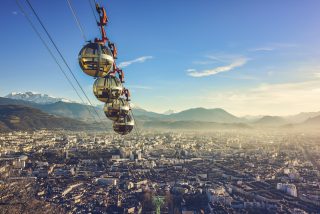
- Grenoble-Bastille Cable Car (Les Bulles): The iconic bubble gondolas are a classic Grenoble experience and the easiest way up to the fort.
- Jardin de Ville: A pleasant central park for a break before or after heading to the Bastille.
- Musée de Grenoble: One of France's standout regional art museums, ideal for pairing with a history-focused day.
- Musée Dauphinois: A strong local-culture museum with exhibits that add context to the region and its mountain identity.
The Musee des Troupes de Montagne appears in our Complete Guide to Visiting Grenoble!

Moira & Andy
Hey! We're Moira & Andy. From hiking the Camino to trips around Europe in Bert our campervan — we've been traveling together since retirement in 2020!
This website uses affiliate links which may earn a commission at no additional cost to you!
Planning Your Visit
Monday: Closed.
Tuesday - Sunday: 11:00-18:00.
Free. Audio guide rental: €2.
Nearby Attractions
- Fort de la Bastille (0.0) km
Cable Car, Castle and Viewing Point - Musee Dauphinois (0.5) km
Gardens, Monastery and Museum - Grenoble Archaeological Museum (0.6) km
Historic Site and Museum - Grenoble-Bastille Cable Car (0.7) km
Cable Car and Viewing Point - Ancien Palais du Parlement (0.7) km
Historic Building, Historic Site and Palace - Collegiate Church of Saint-André (0.7) km
Church, Historic Site and Religious Building - Cafe La Table Ronde (0.7) km
Café and Historic Building - Jardin de Ville (0.8) km
Attraction, Gardens and Park - Grande Rue (0.8) km
Area, Street and Walk - Musee de Grenoble (0.8) km
Museum