Musée Départemental de la Résistance et de la Déportation, Toulouse
Historic Site, Memorial and Museum in Toulouse
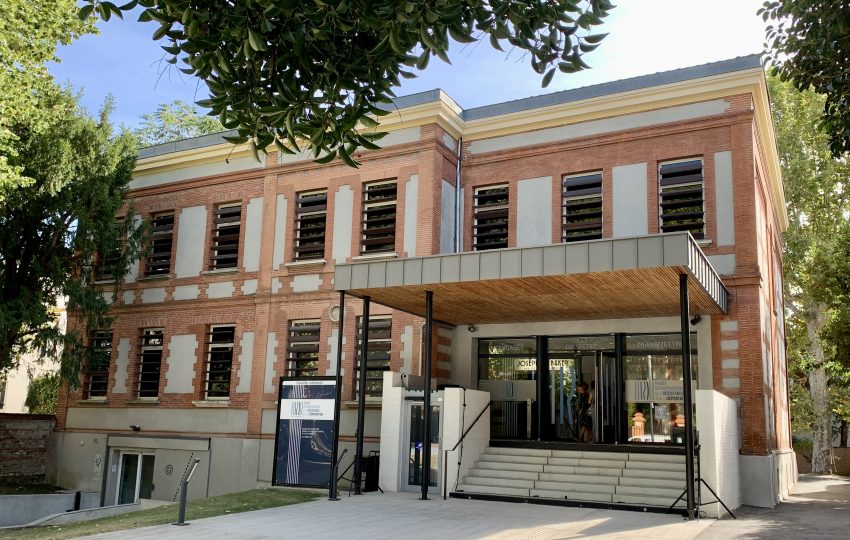
The Musée Départemental de la Résistance et de la Déportation in Toulouse is a moving, thoughtfully curated museum dedicated to the years 1939–1945 in Haute-Garonne, focusing on Occupation, Resistance networks, Liberation, and the realities of Deportation. It's a place where personal stories, objects, and archives bring big history down to a human scale.
Set a little south-east of Toulouse's historic core at 52 allée des Demoiselles, it fits well into a walking tour that pairs civic history with nearby neighborhoods and parks. If you're choosing the best places to see in Toulouse beyond the postcard landmarks, this museum is one of the city's most impactful cultural stops.
Table of Contents
- History and Significance of the Musée Départemental de la Résistance et de la Déportation
- Things to See and Do in the Musée Départemental de la Résistance et de la Déportation
- How to Get to the Musée Départemental de la Résistance et de la Déportation
- Practical Tips on Visiting the Musée Départemental de la Résistance et de la Déportation
- Where to Stay Close to the Musée Départemental de la Résistance et de la Déportation
- Is the Musée Départemental de la Résistance et de la Déportation Worth Visiting?
- For Different Travelers
- FAQs for Visiting Musée Départemental de la Résistance et de la Déportation
- Nearby Attractions to the Musée Départemental de la Résistance et de la Déportation
History and Significance of the Musée Départemental de la Résistance et de la Déportation
The museum’s roots are closely tied to local memory: former résistants and deportees in Haute-Garonne organized in the 1970s to safeguard testimonies, documents, and objects from disappearing with time. That community-led momentum shaped the museum’s mission to preserve evidence, honor victims and fighters, and pass on civic values.
The museum was inaugurated by the Département de la Haute-Garonne in Toulouse in 1994, timed to the 50th anniversary of the city's Liberation. After a major renovation, it reopened in 2020 with updated interpretation and a visitor route that balances historical rigor with emotional clarity.
What makes the museum especially significant is its local lens: you'll see how national and European events played out in Toulouse and the surrounding region, and how ordinary people navigated fear, choices, solidarity, and survival. It's both a historical museum and a place of reflection on what resistance and civic courage mean today.
Things to See and Do in the Musée Départemental de la Résistance et de la Déportation
Start with the permanent collection upstairs, where the narrative is built around real lives and commitments rather than abstract timelines. Expect photographs, documents, and everyday objects that make the period tangible, plus clear context that helps non-specialists follow the story without feeling overwhelmed.
Don’t skip the temporary exhibition spaces (often on the ground floor), which regularly explore focused themes, anniversaries, or specific collections. These rotating displays are a good reason to visit even if you’ve been before, and they often add fresh angles on memory, justice, and the afterlives of wartime events.
If you have time, step into the garden at the back, which includes a small memorial component that changes the pace after the galleries. It’s a quiet place to pause, especially after the more intense sections of the visit.
How to Get to the Musée Départemental de la Résistance et de la Déportation
For flights, the nearest airport is Toulouse–Blagnac Airport (TLS), with onward connections into the city by taxi, rideshare, or public transport. For the best deals and a seamless booking experience, check out these flights to Toulouse on Booking.com.
If you're arriving by rail, Toulouse-Matabiau is the main station, with frequent services from major French cities; from there, you can continue by metro and bus or a short taxi ride to reach the museum. You can use SNCF Connect to check schedules, compare routes, and purchase tickets for National (SNCF ) and regional trains (TER). For a more streamlined experience, we recommend using Omio, which allows you to easily compare prices, schedules, and book tickets for both National and Regional travel across all of Europe, all in one place.
By car, Toulouse is well connected by major motorways, but parking near the museum can be limited, so it's often easier to park once in a central garage and continue by public transport. If you are looking to rent a car in France I recommend having a look at Discover Cars, first, as they compare prices and review multiple car rental agencies for you.
Practical Tips on Visiting the Musée Départemental de la Résistance et de la Déportation
- Official website: http://musee-resistance.haute-garonne.fr/fr/index.html
- Entrance fee: Free.
- Opening hours: Tuesday – Saturday: 10:00–12:30 & 13:30–18:00. Closed on Sunday, Monday. Closed on public holidays and December 24. Exceptionally open on May 8.
- Best time to visit: Weekday mornings are ideal for a quieter, more contemplative visit, especially if you want time to read labels and view archival material without rushing.
- How long to spend: Plan for 60–90 minutes for a solid visit, or closer to 2 hours if you want to take your time with the permanent galleries and any temporary exhibition.
- Accessibility: The museum is designed to be welcoming for visitors with mobility needs, and the interpretive approach is generally clear and well paced for different audiences.
- Facilities: Expect a reception area and visitor amenities suited to a museum visit; consider taking a short break in the garden to reset between sections.
Where to Stay Close to the Musée Départemental de la Résistance et de la Déportation
Base yourself in central Toulouse (Capitole/Esquirol) for the easiest mix of sightseeing, dining, and quick transport connections to the museum.
If you want classic city-center convenience, Grand Hôtel de l’Opéra is hard to beat for location and atmosphere, putting you steps from major sights and an easy ride to the museum. For a stylish boutique feel near the historic core, Hôtel des Arts is a smart pick for travelers who like smaller properties and walkable evenings.
For a modern, design-forward stay close to the Garonne and central neighborhoods, Mama Shelter Toulouse offers a lively base with an on-site scene that’s great after museum days. If you prefer a polished, contemporary business-class option with reliable comfort and easy access to transport, Pullman Toulouse Centre Ramblas is a strong all-rounder.
If you’re looking for a more residential, slightly calmer feel while still staying well connected, Hôtel Mercure Toulouse Centre Saint-Georges works well for longer stays, with a central-but-not-too-noisy setting and straightforward links to the museum area.
Is the Musée Départemental de la Résistance et de la Déportation Worth Visiting?
Yes, it's worth visiting if you want a deeper, more human understanding of Toulouse and the region during World War II. The museum is serious, well structured, and emotionally resonant without feeling sensational, making it one of the most meaningful cultural experiences in the city.
Honest Pivot: If you’re short on time and only want light, “vacation-mode” attractions, this may feel too heavy for your itinerary. It’s also not the best fit for travelers who prefer quick, visual-only visits, since much of the impact comes from reading, reflecting, and engaging with context.
What Other Travellers Say...


For Different Travelers
This museum can work for many travel styles, but it’s especially rewarding for visitors who like places that add depth to a destination. Here’s how it tends to land depending on who you’re traveling with.
Families with Kids
For families, the museum can be a valuable stop if your kids are old enough to handle difficult themes and you’re prepared to guide the conversation. Focus on sections that emphasize individual stories and choices, and keep the visit shorter rather than trying to see everything.
Pair it with a nearby park or a treat afterward to give kids a mental reset. If your children are very young or sensitive to wartime content, consider postponing this visit for a later trip.
Couples & Romantic Getaways
For couples, this is a meaningful “shared context” visit that can deepen your sense of Toulouse beyond food and architecture. It's a good choice for a morning or early afternoon, leaving time afterward for a slower walk and a café stop.
Because the subject matter is intense, it can also shape the tone of the day. Plan something lighter afterward, like a stroll along the Garonne or a relaxed dinner in the center.
Budget Travelers
Budget travelers should put this museum high on the list, since it offers a substantial experience without adding pressure to your daily spend. It's also a smart way to add cultural depth to a Toulouse itinerary that's otherwise built around walking and free city sights.
Use public transport to get there easily, and combine it with other nearby neighborhoods so you're not bouncing back and forth across the city. A well-planned route can make this one of the best value stops in Toulouse.
History Buffs
History buffs will appreciate the museum’s local specificity and its emphasis on sources, objects, and lived experience. It’s particularly strong for understanding how resistance, repression, and deportation intersected at a regional level.
If you enjoy comparing places of memory across France, this museum offers a distinct Toulouse/Haute-Garonne perspective that complements larger national institutions. Give yourself extra time for temporary exhibitions, which often add rare material and new interpretations.
FAQs for Visiting Musée Départemental de la Résistance et de la Déportation
Getting There
Tickets & Entry
Visiting Experience
Tours, Context & Itineraries
Photography
Accessibility & Facilities
Food & Breaks Nearby
Safety & Timing
Nearby Attractions to the Musée Départemental de la Résistance et de la Déportation
- Jardin des Plantes: A leafy city garden that’s perfect for a decompression walk after a museum visit.
- Muséum de Toulouse: A major natural history museum nearby, great for adding a very different theme to the same day.
- Grand Rond: A pleasant circular park and meeting point that links several green spaces and museums.
- Canal du Midi: A UNESCO-listed canal with scenic towpaths for walking or cycling.
- Place du Capitole: Toulouse's iconic central square, ideal for pairing history with classic city atmosphere.
The Musée Départemental de la Résistance et de la Déportation appears in our Complete Guide to Visiting Toulouse!

Moira & Andy
Hey! We're Moira & Andy. From hiking the Camino to trips around Europe in Bert our campervan — we've been traveling together since retirement in 2020!
This website uses affiliate links which may earn a commission at no additional cost to you!
Planning Your Visit
Tuesday - Saturday: 10:00-12:30 & 13:30-18:00.
Closed on Sunday, Monday.
Closed on public holidays and December 24.
Exceptionally open on May 8.
Free.
Nearby Attractions
- Jardin Royal (0.9) km
Gardens - Halle aux Grains (1.2) km
Arts Venue, Attraction and Theatre - Cathédrale Saint-Étienne de Toulouse (1.3) km
Attraction, Cathedral and Religious Building - Musée des Augustins (1.5) km
Convent, Historic Building and Museum - Place Saint-Georges (1.6) km
Square - Saint Aubin Church (1.6) km
Church, Market and Religious Building - Hotel d'Assezat and Bemberg Foundation (1.7) km
Gallery, Historic Building and Museum - Rue Saint-Rome (1.7) km
Area, Attraction and Street - Pont Neuf (1.7) km
Bridge - Quai de la Daurade (1.8) km
Promenade, River and Walk