Muralla Romana de Tarragona
City Walls, Historic Site and Roman Site in Tarragona
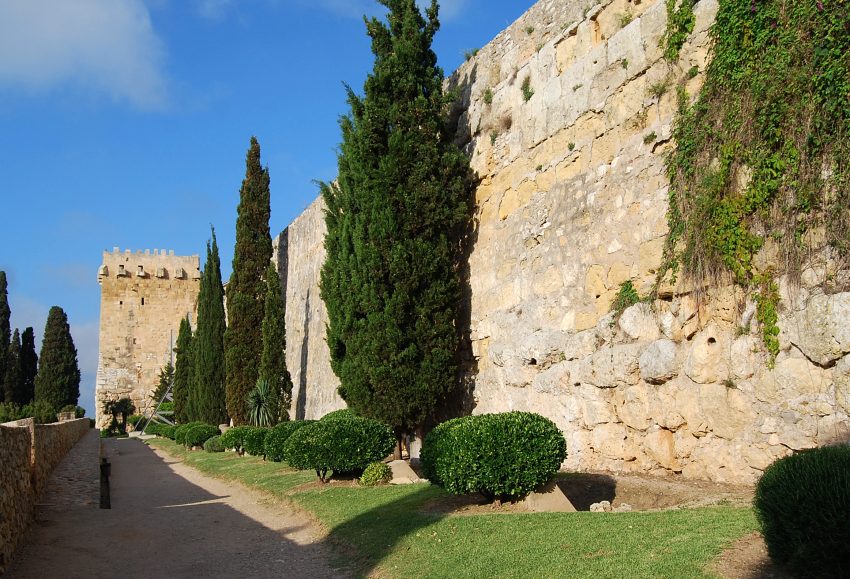
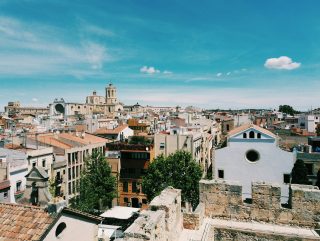
The Muralla Romana de Tarragona is one of the city's most atmospheric ways to experience ancient Tarraco: a surviving stretch of Roman defensive wall paired with the Passeig Arqueològic, a landscaped path that runs alongside the stonework and later fortifications. You'll be walking beside massive blocks and towers that have guarded the old town for more than two millennia, with viewpoints that look out over Tarragona and the surrounding countryside.
It's an easy add-on to a self-guided day in the historic center, and it also fits perfectly into a walking tour that links the Cathedral area, the Roman Circus/Praetorium, and the Amphitheatre. For the best views and the most “wow” moments, focus on the sections where the wall rises closest to the path and around the towers, then linger at the overlooks and interpretive points.
Table of Contents
- History and Significance of the Muralla Romana de Tarragona
- Things to See and Do in the Muralla Romana de Tarragona
- How to Get to the Muralla Romana de Tarragona
- Practical Tips on Visiting the Muralla Romana de Tarragona
- Where to Stay Close to the Muralla Romana de Tarragona
- Is the Muralla Romana de Tarragona Worth Visiting?
- For Different Travelers
- FAQs for Visiting Muralla Romana de Tarragona
- Nearby Attractions to the Muralla Romana de Tarragona
History and Significance of the Muralla Romana de Tarragona
Tarragona’s Roman walls are among the oldest preserved Roman monuments in the Iberian Peninsula, built when Tarraco was emerging as a key Roman foothold on the Mediterranean. The earliest stone phase dates to the late 3rd century BC, when the settlement needed serious defenses as its strategic importance grew.
Over time, the fortifications expanded and were strengthened, with major works often associated with the 2nd century BC. What you see today is a layered story: an ancient Roman core, later medieval additions, and modern-era defensive works that the promenade traces.
Beyond military function, the wall helped define the city itself, marking the edge of the urban space and shaping how Tarragona developed. Visiting now is less about “a single monument” and more about reading the city's timeline in stone, tower by tower.
Things to See and Do in the Muralla Romana de Tarragona
The highlight is the walk itself: follow the Passeig Arqueològic at a relaxed pace, stopping often to compare the different construction styles and to appreciate how the wall’s scale changes along the route. Look for the best-preserved stretches where the masonry feels almost architectural rather than ruin-like.
Several towers punctuate the experience, and they’re great anchors for understanding how the defenses worked. Even if you’re not a specialist, you’ll notice how vantage points, gateways, and thicker sections align with the most vulnerable approaches to the old town.
Treat this as a scenic history stroll rather than a checklist attraction. Bring a camera, take advantage of the benches and viewpoints, and pair the visit with nearby Roman sites so the walls become the “spine” of your Tarraco itinerary.
How to Get to the Muralla Romana de Tarragona
For flights, the most convenient options are typically Barcelona El Prat (BCN) for the widest range of routes, and Reus Airport (REU) for a closer regional alternative. For the best deals and a seamless booking experience, check out these flights to Tarragona on Booking.com.
Tarragona is well-connected by rail, and arriving by train is often the simplest way to reach the city center before continuing on foot or by local bus/taxi to the old town. Train schedules and bookings can be found on Omio.
If you’re driving, aim for parking outside the tightest old-town streets and walk up to the wall area to avoid stress with narrow lanes and limited spaces. If you are looking to rent a car in Spain I recommend having a look at Discover Cars, first, as they compare prices and review multiple car rental agencies for you.
Practical Tips on Visiting the Muralla Romana de Tarragona
- Official website: https://museuhistoria.tarragona.cat
- Entrance fee: Check official website.
- Opening hours: (Summer) April 1 – October 26; Tuesday – Saturday: 09:00–20:45. Sunday: 09:00–14:30. Closed on Monday. (Winter) October 27 – March 31; Tuesday – Friday: 09:00–18:30. Saturday: 09:30–18:30. Sunday: 09:30–14:30. Closed on Monday.
- Best time to visit: Go early for quieter paths and softer light on the stone, or late afternoon for warmer tones and better photos from the overlooks.
- How long to spend: Plan 45–90 minutes for the promenade at a comfortable pace, longer if you like reading signage and taking photos.
- Accessibility: Expect uneven surfaces and some steps; it’s manageable for many visitors but can be challenging for wheelchairs and strollers.
- Facilities: There is typically a restroom along the route and occasional seating/viewpoints for breaks.
Where to Stay Close to the Muralla Romana de Tarragona
Base yourself in Tarragona’s historic center if you want to reach the walls, Cathedral, and most Roman sights on foot with minimal transit.
H10 Imperial Tarraco A top pick for location and views, with an easy walk to the old town and a polished, full-service feel.
Hotel Astari A practical choice near the historic area, often valued for a straightforward stay and good access to key sights.
Hotel Lauria Great if you want to be on the main boulevard for dining and shopping while still being within walking distance of the old town.
AC Hotel Tarragona by Marriott Convenient for transport links and a modern, reliable business-class setup, especially if you’re arriving by train.
B&B Hotel Tarragona Centro Urbis A budget-friendly option in a central spot, handy for quick access to both the city center and the climb up to historic Tarragona.
Is the Muralla Romana de Tarragona Worth Visiting?
Yes, especially if you enjoy places where history is experienced by walking through it rather than viewing it behind glass. The Muralla Romana de Tarragona delivers a rare combination: genuinely ancient fabric, a pleasant outdoor route, and viewpoints that make the visit feel both educational and relaxing.
Honest Pivot: If you’re short on time, dislike uneven paths/steps, or prefer “big-ticket” Roman monuments with dramatic interiors, you might prioritize the Amphitheatre and Circus/Praetorium instead and simply admire the walls from street level.
What Other Travellers Say...

Visitors rate the Muralla Romana de Tarragona very highly, praising how well-preserved the walls feel and how scenic the promenade is for an easy history walk. Common highlights include impressive stonework, viewpoints, and interesting features along the route (such as cannons, statues, and informational stops). The main drawbacks mentioned are uneven surfaces and steps in places, and some travelers note they wished they had more time to do the full walk at a relaxed pace.


For Different Travelers
The Muralla Romana de Tarragona works well as a flexible, low-pressure stop: you can move quickly, linger for photos, or use it as a scenic connector between other Roman sites. It's also one of the easiest ways to add fresh air and views to a history-heavy day.
Families with Kids
Kids often enjoy the “real-life fortress” feeling and the sense of exploring along a protected edge of the old city. Turning the walk into a mini scavenger hunt for towers, gates, and viewpoints keeps attention high.
Plan for short bursts rather than a long, continuous march. A snack break on a bench and a few photo stops can make the experience feel like an adventure instead of a lesson.
Couples & Romantic Getaways
For couples, the promenade is a calm, scenic interlude between busier sights, with plenty of spots to pause and take in the views. The warm stone and greenery can feel especially atmospheric in late afternoon.
Pair it with a slow old-town wander afterward, then head to Rambla Nova or the waterfront for dinner. It's an easy, memorable “shared walk” that doesn't require a big time commitment.
Budget Travelers
This is a strong value visit because it's outdoors, walkable from central Tarragona, and can be combined with other nearby sights without extra transport costs. If you're watching spending, consider whether you want a single-site ticket or to bundle multiple Roman sites.
Bring water and comfortable shoes, and treat the walls as part of a self-guided Roman Tarragona route. You'll get a lot of atmosphere for relatively little money.
History Buffs
History lovers will appreciate the wall as a layered document: Roman construction, later modifications, and the way the city’s defenses evolved over centuries. The towers and gateways help you visualize how Tarraco functioned as a strategic hub.
To deepen the visit, connect the walls with the Circus/Praetorium and the Amphitheatre so you're not just seeing isolated monuments, but the urban logic of Roman Tarragona.
FAQs for Visiting Muralla Romana de Tarragona
Getting There
Tickets & Entry
Visiting Experience
Tours, Context & Itineraries
Photography
Accessibility & Facilities
Food & Breaks Nearby
Safety & Timing
Nearby Attractions to the Muralla Romana de Tarragona
- Tarragona Cathedral: A landmark Gothic cathedral in the old town with impressive interiors and a commanding presence.
- Roman Circus and Praetorium (Pretori – Circ): Explore underground passages and structures that reveal Roman Tarragona's entertainment and governance.
- Tarragona Amphitheatre: A dramatic seaside Roman arena with iconic views toward the Mediterranean.
- Balcó del Mediterrani: A famous viewpoint at the end of Rambla Nova, perfect for a quick panorama.
- Aqüeducte de les Ferreres (Pont del Diable): A striking Roman aqueduct just outside the center, ideal for a short excursion.
The Muralla Romana de Tarragona appears in our Complete Guide to Visiting Tarragona!

Moira & Andy
Hey! We're Moira & Andy. From hiking the Camino to trips around Europe in Bert our campervan — we've been traveling together since retirement in 2020!
This website uses affiliate links which may earn a commission at no additional cost to you!
Planning Your Visit
(Summer) April 1 - October 26; Tuesday - Saturday: 09:00-20:45. Sunday: 09:00-14:30. Closed on Monday.
(Winter) October 27 - March 31; Tuesday - Friday: 09:00-18:30. Saturday: 09:30-18:30. Sunday: 09:30-14:30. Closed on Monday.
Check official website.
Nearby Attractions
- Maqueta de la ciutat romana de Tarraco (0.0) km
Attraction and Roman Site - Casa Museu Castellarnau (0.1) km
Historic Building, Historic Room and Museum - Tarragona City Hall (0.1) km
Town Hall - Plaça dels Sedassos (0.2) km
Attraction, Sculpture and Square - Plaça de la Font (0.2) km
Area, Attraction and Square - Catedral de Tarragona (0.2) km
Cathedral, Historic Site and Religious Building - Torre del Pretori o Castell del Rei (0.3) km
Castle, Roman Site and Tower - Circ Roma (0.3) km
Historic Site, Roman Site and Ruins - Forum Square (0.4) km
Roman Site, Ruins and Square - Ca la Garsa (0.4) km
Historic Building, Historic Site and Ruins