Lochbuie Standing Stones, Isle of Mull
Historic Site near Isle of Mull

The Lochbuie Standing Stones offer one of the most atmospheric glimpses into Mull's prehistoric past. Tucked away in a peaceful field behind Lochbuie House, this Bronze Age stone circle is one of the best places to visit in Mull for those interested in ancient history, archaeology, and scenic countryside walks. Surrounded by hills, sea views, and farmland, the site feels wonderfully remote, reminding visitors that Mull has been inhabited and ritualised for thousands of years.
The circle originally consisted of nine granite stones set in a ring around 12 metres in diameter. Today, most of the stones remain upright and intact, their flat faces turned inward, as they were placed around 4,000 years ago. Although one of the original stones was removed at some point, a low boulder now stands in its place to maintain the circle’s shape.
Table of Contents
- History and Significance of the Lochbuie Standing Stones
- Things to See and Do in the Lochbuie Standing Stones
- How to Get to Lochbuie Standing Stones
- Practical Tips on Visiting Lochbuie Standing Stones
- Where to Stay close to the Lochbuie Standing Stones
- Is Lochbuie Standing Stones Worth Visiting?
- FAQs for Visiting Lochbuie Standing Stones
- Nearby Attractions to Lochbuie Standing Stones
History and Significance of the Lochbuie Standing Stones
Dating from the Bronze Age, the Lochbuie stone circle is believed to have been used for ceremonial or ritual purposes, though its exact function remains unknown. Stone circles of this size and layout are found throughout Scotland, often linked to seasonal events, astronomical alignments, or community gatherings.
Mull, despite its size and history, has only this one known stone circle-making Lochbuie a particularly important archaeological site for the island. Its location on a fertile coastal plain suggests it may have been connected to early farming communities who settled here long before the Norse, the clans, or modern inhabitants left their mark.
The presence of Lochbuie House, a historic estate dating back centuries, adds another layer to the landscape, showing how different eras of Mull’s past overlap within a single area.
Things to See and Do in the Lochbuie Standing Stones
The stone circle itself is the highlight: nine granite slabs standing quietly in the field, with the tallest measuring around two metres. Their inward-facing orientation gives the circle a distinct sense of enclosure and purpose.
The walk to reach the stones is part of the charm. Passing Lochbuie’s shoreline, the grounds of Lochbuie House, and wide open farmland, the approach builds a sense of anticipation as the circle slowly comes into view.
The surrounding landscape is ideal for gentle exploration. Visitors can continue walking along the bay, look for wildlife, or simply sit near the stones and enjoy the peaceful, ancient atmosphere.
How to Get to Lochbuie Standing Stones
The nearest airport is Oban Airport on the mainland, with ferry connections from Oban to Craignure on Mull. For the best deals and a seamless booking experience, check out these flights to Isle of Mull on Booking.com.
There is no train service on Mull, but trains from Glasgow to Oban link directly with the ferry. From Craignure, the stone circle is accessible by car along the A849 and the Lochbuie road. Train schedules and bookings can be found on Omio.
Travelling by car is the easiest option. From the A849, take the signposted road to Lochbuie, then park at the beach. A short walk along the shore path behind Lochbuie House leads directly to the standing stones.
Practical Tips on Visiting Lochbuie Standing Stones
- Suggested tips: Wear waterproof footwear-fields can be boggy after rain.
- Best time to visit: Spring and summer for clear paths and bright landscapes.
- Entrance fee: Free.
- Opening hours: Open year-round.
- Official website: Consult Mull & Iona tourism sources.
- How long to spend: 30-60 minutes.
- Accessibility: Path can be uneven and muddy; not suitable for wheelchairs.
- Facilities: Limited; nearest amenities in Craignure.
- Photography tip: Capture the circle with the surrounding hills for scale and atmosphere.
- Guided tours: Rare; most visitors explore independently.
- Nearby food options: Light snacks available in season at Lochbuie; more options in Craignure.
Where to Stay close to the Lochbuie Standing Stones
Staying near Craignure or along the south coast gives easy access to Lochbuie. The scenic Isle of Mull Hotel & Spa is the closest full-service option. Further along the coast, Pennyghael Hotel offers a peaceful rural stay. Another option is The Ben More Lodge, located inland but within reach of Lochbuie and other southern attractions.
Is Lochbuie Standing Stones Worth Visiting?
Yes-this quiet, beautifully situated stone circle is one of the top sights in Mull for anyone interested in prehistory or scenic coastal walks. Its peaceful setting, ancient origins, and gentle approach path create a memorable and atmospheric experience.
What Other Travellers Say...

Lochbuie Standing Stones sits off an unnamed road in Lochbuie on the Isle of Mull and is a small ring of granite monoliths set beneath the backdrop of Ben Buie; a small car park leads to a half‑mile, waymarked walk across boggy, waterlogged fields and working farmland (livestock includes Highland cows, regular cows, sheep and reported reindeer), so hiking boots are recommended and visitors should respect the animals and infrastructure.


FAQs for Visiting Lochbuie Standing Stones
Nearby Attractions to Lochbuie Standing Stones
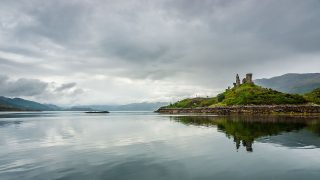
- Moy Castle: A ruined 15th-century tower near Lochbuie.
- Lochbuie Beach: A quiet bay ideal for picnics and wildlife spotting.
- Carsaig Arches: Dramatic sea arches accessible via a rugged coastal walk.
- Torosay Castle Gardens: Historic gardens near Craignure (seasonal).
- Duart Castle: The restored fortress of Clan MacLean overlooking the Sound of Mull.
The Lochbuie Standing Stones appears in our Complete Guide to Visiting Isle of Mull!

Moira & Andy
Hey! We're Moira & Andy. From hiking the Camino to trips around Europe in Bert our campervan — we've been traveling together since retirement in 2020!
This website uses affiliate links which may earn a commission at no additional cost to you!
Planning Your Visit
Nearby Attractions
- Moy Castle (0.4) km
Castle - Ben More (12.1) km
Mountain - Duart Castle (16.6) km
Castle - Aros Castle (18.7) km
Castle - Eas Fors Waterfall (24.3) km
Waterfalls - Fingal’s Cave and Staffa (31.0) km
Island - Tobermory Distillery (32.0) km
Distillery - Tobermory (32.2) km
Town - Iona Abbey (33.0) km
Abbey and Historic Building - Tobermory Lighthouse (33.7) km
Lighthouse