Fingal’s Cave and Staffa, Isle of Mull
Island near Isle of Mull
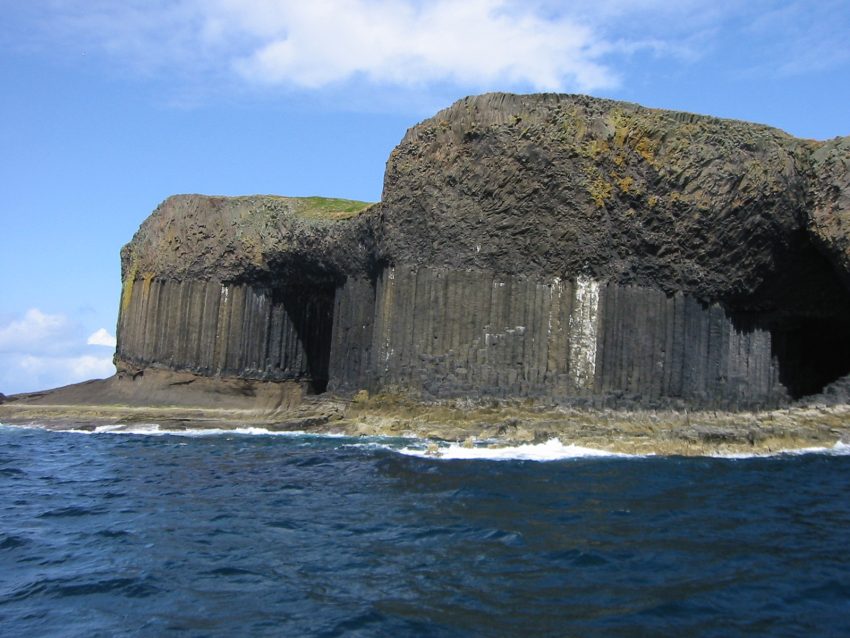
Fingal's Cave and Staffa, on the Isle of Mull in Scotland, is a boat-accessed island attraction known for its basalt columns and sea cave. Staffa is uninhabited, small, and exposed to the Atlantic, so the visit feels more like a short landing on a protected natural site than a standard sightseeing stop. Most trips arrive by organised boat and allow a brief window ashore.
Visitors come for the cave entrance, the columned rock faces, and the chance to see puffins during the breeding season. The island suits travellers who are comfortable with uneven ground, sea conditions and limited time ashore. It is a practical choice for geology fans, birdwatchers and anyone already exploring Mull or nearby Iona, but less suitable for those needing step-free access or on-island facilities.
History and Significance of Staffa
Staffa’s distinctive basalt landscape was formed around 60 million years ago during intense volcanic activity. As lava cooled and contracted, it fractured into near-perfect hexagonal columns, giving the island its famous architectural appearance. This natural design impressed the Vikings so much that they named the island Staffa, meaning stave or pillar, comparing it to their wooden longhouses built from upright logs.
Fingal’s Cave became widely known in the 18th and 19th centuries when naturalists, artists, poets, and composers visited the island. Its haunting acoustics inspired Felix Mendelssohn’s Hebrides Overture, turning the cave into a cultural icon as well as a geological one. Over time, the cave and island became celebrated symbols of Scotland’s untamed natural beauty.
Today, Staffa remains uninhabited and protected, ensuring its fragile ecosystems and formations remain intact. Visitors experience the island much as early explorers did: raw, powerful, and shaped entirely by the forces of nature.
Things to See and Do in Staffa
Fingal’s Cave is the island’s star attraction, and stepping onto its basalt walkway feels like entering a cathedral carved by nature. The deep echoing sound of waves amplifying inside the cave makes it unforgettable, especially on a day when the sea is strong.
The puffins are another highlight, offering delightful close encounters during the breeding season. Because they have no predators here, they often approach visitors without hesitation, making it surprisingly easy to enjoy long moments observing them.
Walking across the grassy summit of the island provides sweeping views of Mull, Iona, and the surrounding Atlantic. It’s a peaceful spot to absorb the landscape and appreciate why Staffa has remained one of the things to do in Argyll and Bute for lovers of wildlife, geology, and seascapes.
How to Get to Staffa
Reaching Staffa requires joining an organised boat trip, typically from either Tobermory on Mull or Fionnphort near Iona. The nearest major airport is Glasgow Airport, where travellers can connect via Oban to reach Mull. For the best deals and a seamless booking experience, check out these flights to Isle of Mull on Booking.com.
Getting to Mull by train is possible via routes to Oban, where ferries connect to the island. Train schedules and bookings can be found on Omio.
From various points on Mull, visitors drive to Tobermory or Fionnphort before boarding their scheduled boat tour. This route offers great scenery and is generally straightforward.
Practical Tips on Visiting Staffa
- Suggested tips: Wear sturdy shoes, bring layers, and prepare for strong winds even in summer.
- Best time to visit: May to August for puffins; late spring to early autumn for calmer seas.
- Entrance fee: Free; boat tour prices vary by operator.
- Opening hours: Accessible only during scheduled boat landing times.
- How long to spend: A typical visit lasts 30-60 minutes on the island.
- Accessibility: The basalt landing area and cave path are uneven and not suitable for those with mobility issues.
- Facilities: There are no facilities on the island; come prepared.
- Photography tip: Early summer light and puffin activity provide great opportunities for close-up wildlife shots.
- Guided tours: Boat operators provide commentary during the journey but the island visit is self-guided.
- Nearby food options: Cafes and restaurants are available in Tobermory and Fionnphort before or after your trip.
Where to Stay close to Staffa
Most visitors stay on the Isle of Mull, which offers a good range of accommodation near the departure points for Staffa tours. Tobermory has charming options such as The Tobermory Hotel, offering colourful harbour views and easy access to boat operators. Fionnphort is closer to Iona and ideal if combining destinations; consider Seaview Bed & Breakfast for a peaceful stay near the water. Another comfortable option on Mull’s western coast is The Argyll Hotel, perfect if you plan to explore both Iona and Staffa in the same trip.
Is Staffa Worth Visiting?
Staffa is absolutely worth visiting for its sheer natural beauty, dramatic geology, and the rare chance to experience an entirely uninhabited Scottish island. Fingal’s Cave alone feels like a once-in-a-lifetime sight, and during summer the puffins add even more charm. If you enjoy wild landscapes, striking rock formations, and unique wildlife encounters, Staffa delivers an extraordinary and memorable adventure.
What Other Travellers Say...
Staffa National Nature Reserve — Fingal's Cave on the Isle of Staffa offers a dramatic sea cave famed for its booming acoustics and striking basalt columns; visitors typically arrive by boat, land on the island, then follow an interesting but sometimes steep and tricky path with steps up to cliff-top views, where you can walk into and around the cave and spot other coastal rock formations and wildlife such as seals, dolphins and, in season, puffins; early boats are recommended to avoid crowds.


FAQs for Visiting Staffa
The Fingal’s Cave and Staffa appears in our Complete Guide to Visiting Isle of Mull!

Moira & Andy
Hey! We're Moira & Andy. From hiking the Camino to trips around Europe in Bert our campervan — we've been traveling together since retirement in 2020!
This website uses affiliate links which may earn a commission at no additional cost to you!
Planning Your Visit
Nearby Attractions
- Iona Abbey (11.6) km
Abbey and Historic Building - Eas Fors Waterfall (13.8) km
Waterfalls - Calgary Beach (16.3) km
Beach - Ben More (20.2) km
Mountain - Aros Castle (26.2) km
Castle - Tobermory Distillery (26.5) km
Distillery - Tobermory (26.6) km
Town - Tobermory Lighthouse (28.2) km
Lighthouse - Lochbuie Standing Stones (31) km
Historic Site - Moy Castle (31) km
Castle