Kula Svih Svetih, Korcula
City Walls, Historic Site and Tower in Korcula
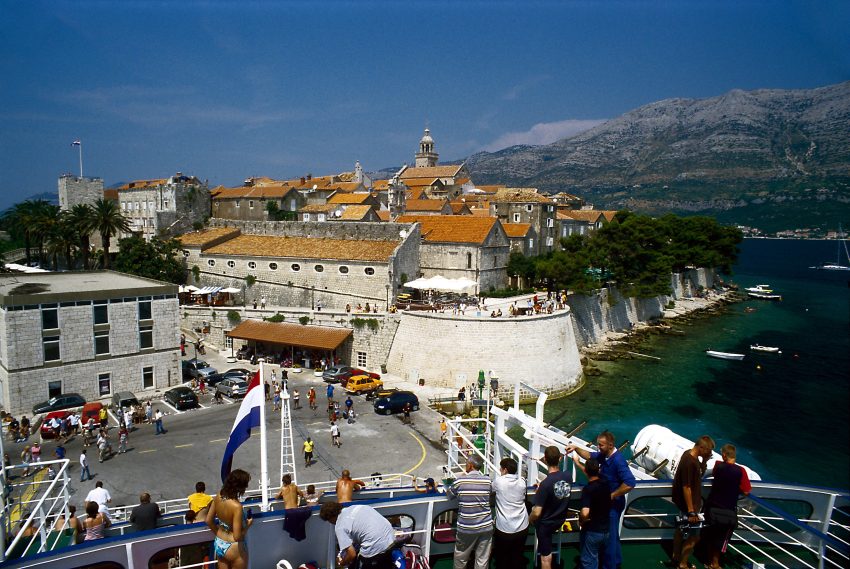
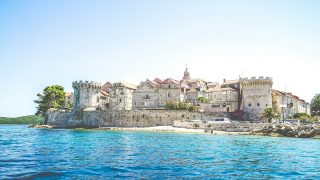
Kula Svih Svetih (Tower of All Saints) is one of Korcula Old Town's defensive towers, set right on the stone ramparts at the southeastern edge of the walled peninsula. It's also known locally as the Capello Tower or Rampada, and it's the kind of landmark you naturally bump into while wandering Korcula's tight lanes and sea-facing walls.
Most travelers experience it as a short, scenic stop on a self-guided walking loop around the old town: come for the atmosphere, the cannons, and the views, then keep moving along the walls toward nearby gates, squares, and waterfront lookouts.
Table of Contents
- History and Significance of the Kula Svih Svetih
- Things to See and Do in the Kula Svih Svetih
- How to Get to the Kula Svih Svetih
- Practical Tips on Visiting the Kula Svih Svetih
- Where to Stay Close to the Kula Svih Svetih
- Is the Kula Svih Svetih Worth Visiting?
- For Different Travelers
- FAQs for Visiting Kula Svih Svetih
- Nearby Attractions to the Kula Svih Svetih
History and Significance of the Kula Svih Svetih
Kula Svih Svetih was built in the late 15th century (commonly dated to 1493) as part of Korcula's coastal fortification system. Together with the city walls and other towers, it helped protect the town's maritime trade routes and residents during a period when Adriatic coastal defenses mattered deeply.
Its position on the corner of the walls is not accidental: corner towers provided wider sightlines and better angles for defense than straight wall segments. Even today, standing by the tower makes it easy to understand how Korcula’s fortifications were designed to control approaches from both sea and land.
Beyond military history, the tower has a living cultural role. Thanks to its rounded form and enclosed stone surfaces, it’s known for strong acoustics and is sometimes used as a backdrop for small performances and summer events.
Things to See and Do in the Kula Svih Svetih
Start by appreciating the setting: the tower sits where the walls meet the sea, so you get a classic Korcula scene of pale stone, blue water, and boats moving through the channel. It's especially photogenic in late afternoon when the light warms the masonry.
Look for defensive details such as cannon displays and the way the tower integrates into the wall-walk. Even if you don’t go “inside” in a formal sense, the exterior and immediate surroundings deliver the main experience: a quick hit of history with a panoramic payoff.
If you're visiting in summer, keep an ear out for acoustic concerts or small cultural happenings nearby. The tower's shape can make even simple music sound surprisingly rich, and it's a memorable way to experience Korcula beyond the usual sightseeing loop.
How to Get to the Kula Svih Svetih
The nearest airports are Dubrovnik Airport (DBV) and Split Airport (SPU); from either, continue by a mix of bus/transfer and ferry or catamaran connections to reach Korcula Town. For the best deals and a seamless booking experience, check out these flights to Korcula on Booking.com.
Croatia's islands don't have train service, so the practical “train” approach is to take a train to a coastal hub on the mainland (commonly Split or Ploce) and then switch to buses and ferries/catamarans for the island leg. Train schedules and bookings can be found on Omio.
If you're traveling by car, you'll typically drive to the Peljesac Peninsula and take the short car ferry to Domince (near Korcula Town), then park outside the old town and walk in.
Once you're in Korcula Old Town, the tower is easiest to reach on foot: aim for the southeastern corner of the walled peninsula and follow the wall line toward the sea-facing ramparts.
Practical Tips on Visiting the Kula Svih Svetih
- Entrance fee: Free.
- Opening hours: 24 Hours.
- Best time to visit: Late afternoon into sunset for the best light on the stone walls and cooler temperatures in summer. If cruise crowds are in town, go early morning for a quieter walk.
- How long to spend: 10–20 minutes is enough for photos and a quick look, or 30–45 minutes if you’re pairing it with a slow wall-and-lanes walking loop.
- Accessibility: The old town has steps, uneven stone paving, and narrow passages; expect limited step-free access near the walls. Wear shoes with good grip.
- Facilities: There are no dedicated facilities at the tower itself, but you’ll find cafes, restrooms (in restaurants), and small shops within a few minutes’ walk in the old town.
Where to Stay Close to the Kula Svih Svetih
Base yourself inside Korcula Old Town (or immediately outside the walls) for the easiest early-morning and late-evening access, when the lanes are at their most atmospheric.
Aminess Korcula Heritage Hotel Choose this for a polished, classic Korcula stay right by the waterfront, with an easy stroll into the old town walls and viewpoints.
Hotel Korsal A strong pick for travelers who want modern comfort and sea views while still being walkable to the old town and the tower.
San Teodoro Ideal if you want to sleep inside the historic core and step straight into the evening ambience once day-trippers leave.
Port 9 Hotel Good for those who prefer a resort-style setup with extra on-site amenities, while staying a short ride or walk from the old town.
Marko Polo Hotel by Aminess A reliable option for couples and families who want pool time and broad views, plus quick access to the old town sights.
Is the Kula Svih Svetih Worth Visiting?
Yes, it's worth visiting as part of any Korcula Old Town walk. It's not a “big-ticket” attraction, but it delivers exactly what most travelers want from Korcula: a tangible piece of late-medieval fortification, a dramatic corner-of-the-walls viewpoint, and a satisfying sense of place in just a few minutes.
Honest Pivot: If you’re short on time and not interested in fortifications, you can skip making it a standalone goal and simply enjoy the walls and waterfront wherever your stroll naturally takes you. Likewise, if you struggle with uneven steps and cobbles, you may prefer to focus on flatter waterfront viewpoints instead of the wall corners.
What Other Travellers Say...

Reviews are very positive overall, with visitors highlighting the tower as a memorable corner point on Korcula’s old town walls. Common praise includes its late-15th-century history, the distinctive round shape and strong acoustics (sometimes used for summer concerts), and the sea views from the surrounding ramparts. A minor downside is that it’s often experienced as a quick pass-through rather than a fully curated interior attraction, so travelers expecting a large exhibit may find it brief.


For Different Travelers
Kula Svih Svetih is a flexible stop: you can treat it as a quick photo point, a history moment, or a scenic pause during a longer wander through Korcula's lanes. Your best experience depends on timing and how you like to explore.
Families with Kids
Kids often enjoy the “castle wall” feeling and spotting cannons, boats, and the sea below. Keep it playful by turning the walk into a mini “tower hunt” around the old town.
Because the lanes can be slippery and crowded, hold hands near steps and edges and plan a gelato stop afterward. A short visit works best, especially in midday heat.
Couples & Romantic Getaways
This is a great stop for couples who like slow, scenic wandering rather than structured sightseeing. Come near golden hour, then continue along the waterfront for sunset views and dinner.
If you catch a small acoustic performance nearby in summer, it can feel like a “found” romantic moment. Even without an event, the corner-of-the-walls setting is naturally atmospheric.
Budget Travelers
Kula Svih Svetih fits budget travel perfectly because it's easy to enjoy as part of a free walking loop through the old town. Bring water, walk early or late, and you can get a high-impact experience without spending much.
Pair it with other nearby wall sections, gates, and viewpoints to build a full DIY itinerary. You’ll get plenty of photos and context just by moving slowly and reading the city’s defensive layout.
History Buffs
For history-minded travelers, the tower is a compact lesson in Adriatic coastal defense and late-medieval urban planning. Pay attention to how the tower anchors the corner and how the walls guide movement along the peninsula.
To deepen the context, combine it with Korcula’s other towers, gates, and any local museum time you have. Seeing multiple fortification points makes the system feel coherent rather than isolated.
FAQs for Visiting Kula Svih Svetih
Getting There
Tickets & Entry
Visiting Experience
Tours, Context & Itineraries
Photography
Accessibility & Facilities
Food & Breaks Nearby
Safety & Timing
Nearby Attractions to the Kula Svih Svetih
- Korcula Old Town Walls: Walk the perimeter for classic fortification views and sea breezes.
- St. Mark's Cathedral: The town's landmark church with a striking facade and central square setting.
- Marco Polo Museum (Korcula Town): A small, story-driven stop focused on local lore and maritime connections.
- Land Gate (Kopnena vrata): One of the most recognizable entrances into the walled old town.
- ACI Marina Korcula waterfront: A scenic promenade area for boats, sunset views, and easy cafe stops.
The Kula Svih Svetih appears in our Complete Guide to Visiting Korcula!

Moira & Andy
Hey! We're Moira & Andy. From hiking the Camino to trips around Europe in Bert our campervan — we've been traveling together since retirement in 2020!
This website uses affiliate links which may earn a commission at no additional cost to you!
Planning Your Visit
24 Hours.
Free.
Nearby Attractions
- Crkva Svih Svetih (0) km
Church, Historic Site and Religious Building - Antun and Stjepan Radić Square (0.1) km
Square - Revelin Tower and Land Gate (0.1) km
City Gate, Historic Site and Tower - Crkva Gospojina (0.1) km
Attraction, Church and Religious Building - Gradski Muzej Korcula (0.1) km
Attraction, Historic Building and Museum - Korculanska Katedrala (0.1) km
Cathedral, Church and Tower - Crkva Svetog Petra (0.1) km
Church and Religious Building - Marko Polo Centar (0.1) km
Attraction, Museum and Visitor Centre - Mala Knezeva Kula (0.2) km
City Walls, Historic Site and Tower - Korcula Town Walls (0.2) km
City Gate, City Walls and Historic Site