Kruja Castle
Castle in Kruja
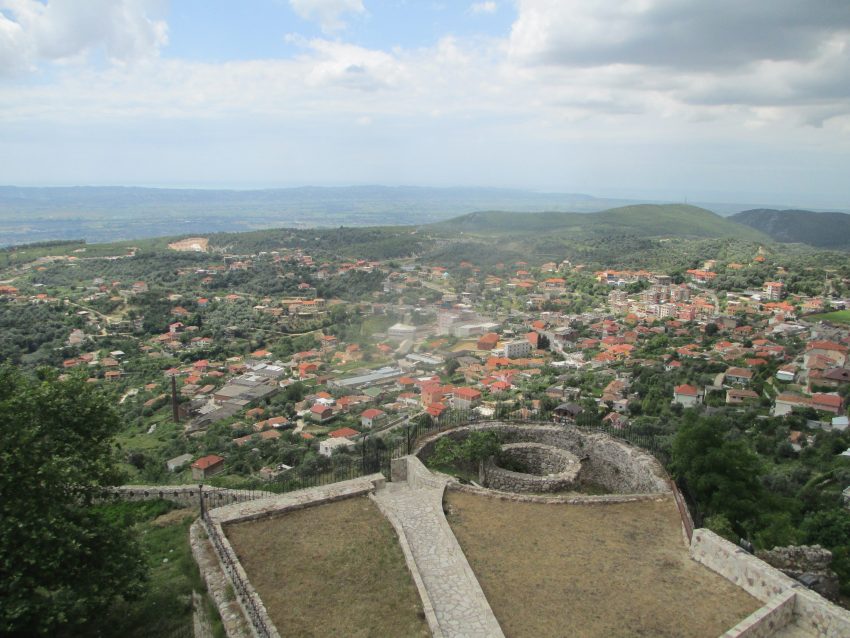
Perched dramatically 550 meters above sea level, Kruja Castle commands breathtaking views of the surrounding valleys and the Adriatic beyond. This imposing fortress, dating back to the 5th or 6th century, became one of the most symbolic sites in Albanian history thanks to its association with Gjergj Kastrioti Skanderbeg, the revered “Dragon of Albania.” From this high vantage point, Skanderbeg led a heroic resistance against the Ottoman Empire, turning Kruja into a bastion of defiance and national pride.
Today, Kruja Castle is one of the top attractions in Kruja and a great place to visit on a walking tour of Kruja's old bazaar and historic quarter. Inside its walls lie not only centuries of history but also two excellent museums - the Skanderbeg National Museum and the Ethnographic Museum - both of which bring the spirit of Albanian heritage vividly to life.
History and Significance of Kruja Castle
Kruja Castle's origins trace back to the Byzantine period, built during the 5th or 6th century as a defensive stronghold overlooking the town and the central Albanian plain. Its location made it a natural fortress, one that would play a central role in Albania's long struggle for independence. In the early 15th century, Kruja was under Ottoman rule, but rebellion soon followed. Between 1432 and 1436, local uprisings challenged Ottoman control, though the fortress held firm during a siege by Andrea Thopia.
The castle's most glorious chapter began in 1443 when Gjergj Kastrioti Skanderbeg, an Albanian nobleman who had served in the Ottoman military, returned home to lead a national uprising. Under his leadership, Kruja Castle withstood three massive Ottoman sieges - in 1450, 1466, and 1467 - despite having a small garrison of just 3,000 men. Using fire signals to communicate with nearby fortresses, Skanderbeg coordinated a remarkable defense that became legendary across Europe. He died in 1468, and Kruja fell to the Ottomans a decade later, but his legacy as Albania's greatest hero endures to this day.
Things to See and Do in Kruja Castle
Exploring Kruja Castle is one of the must-see places in Kruja for anyone interested in Albanian history. The fortress grounds include well-preserved ramparts, watchtowers, and cobbled paths that lead to spectacular viewpoints over the town and plains below. Within the complex, two museums provide deeper insight into the country's culture and past.
The National Museum “Gjergj Kastrioti Skanderbeg” is the centerpiece, with exhibits depicting Skanderbeg’s life, military campaigns, and the Albanian resistance against Ottoman rule. Artifacts, documents, and models vividly recount the castle’s sieges, while murals and sculptures celebrate the hero’s enduring legacy. The second museum, the Ethnographic Museum, is housed in an 18th-century Ottoman-style house within the castle walls. It showcases traditional Albanian clothing, household items, and crafts that reveal the daily life of past centuries.
Outside the museums, visitors can explore the ruins of medieval structures, ancient wells, and the sweeping terraces that once served as lookout points. The castle's setting - with its panoramic views stretching toward the Adriatic - makes it one of the most photogenic historical sites in Albania and a highlight of any walking tour of Kruja.
How to Get There
Kruja Castle is located in the town of Kruja, about 32 kilometers north of Tirana. The easiest way to reach it is by car or taxi, taking roughly one hour via the SH52 highway. If you are looking to rent a car in Albania I recommend having a look at Discover Cars, first, as they compare prices and review multiple car rental agencies for you.
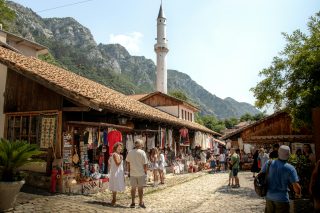
Buses also run regularly between Tirana and Kruja, stopping in the town center, from where it's a short uphill walk through the charming old bazaar to reach the castle gate. The final climb is steep but scenic, lined with shops selling local crafts, rugs, and traditional souvenirs.
Practical Tips on Visiting Kruja Castle
- Best time to visit Kruja Castle: Spring and autumn for pleasant weather and clear views across the plains.
- Entrance fee in Euros: Around €4 for the castle grounds; museums may charge separate admission.
- Opening hours: Generally open daily from 9 am to 6 pm.
- Official website: Information available through the National Museum “Gjergj Kastrioti Skanderbeg.”
- How long to spend: 2-3 hours to explore the castle and museums.
- Accessibility: Uneven terrain and steep paths; not ideal for wheelchairs.
- Facilities: Toilets, gift shops, and cafés near the entrance.
- Photography tip: Capture the castle at sunset for golden light and dramatic mountain shadows.
- Guided tours: Available at the museums and through local guides in the bazaar.
- Nearby food options: Several restaurants and terraces offering traditional Albanian cuisine with panoramic views.
Is Kruja Castle Worth Visiting?
Absolutely. Kruja Castle is more than a historical monument - it's a symbol of Albanian identity and resilience. Its dramatic setting, heroic history, and well-curated museums make it one of the most inspiring destinations in the country. Whether you're drawn by medieval architecture, sweeping landscapes, or the legend of Skanderbeg himself, Kruja Castle is a place where Albania's spirit truly comes alive.
What Other Travellers Say...

Castle of Kruja sits above the Old Bazaar in Krujë and contains several museums, the Tekke of Dollmë monument and mosque ruins; visitors praise the sweeping views from its balconies, a small museum about Albania's national hero, and the colourful, lively bazaar below. The climb is steep with cobbled streets so sturdy shoes help, and there are nearby cafés and restaurants with good views where people linger for sunset; parking and modest entrance fees are mentioned by visitors, and parts of the site have been stabilized after earthquake damage.


FAQs for Visiting Kruja Castle
Nearby Attractions to Kruja Castle
- Preza Castle - Another hilltop fortress just a short drive away, perfect for panoramic photography.
- Old Bazaar of Kruja - A charming cobbled street filled with traditional handicrafts and local souvenirs.
- National Ethnographic Museum - Located within the castle, showcasing Albanian folk culture.
- Skanderbeg Museum - Dedicated to the life and legacy of Albania's national hero.
- Sari Salltik Cave - A nearby pilgrimage site on Mount Kruja offering spectacular views.
The Kruja Castle appears in our Complete Guide to Visiting Kruja!

Moira & Andy
Hey! We're Moira & Andy. From hiking the Camino to trips around Europe in Bert our campervan — we've been traveling together since retirement in 2020!
This website uses affiliate links which may earn a commission at no additional cost to you!
Planning Your Visit
9am-6pm
300 lekë
Nearby Attractions
- Skanderbeg Museum (0.0) km
Museum - Watch Tower (0.1) km
Tower - Kruja Ethnographic Museum (0.1) km
Museum - Kruja’s Medieval Hammam (0.2) km
Historic Building - The Tekke of Dollma (0.2) km
Mosque - Kruja Bazaar (0.2) km
Bazaar - Skanderbeg Monument (0.4) km
Monument - Sari Salltik Cave (1.3) km
Cave and Religious Building - Zgërdhesh Archaeological Site (3.8) km
Ruins - Qafshtame National Park (8.3) km
National Park