Hohensalzburg
Attraction, Castle and Historic Site in Salzburg
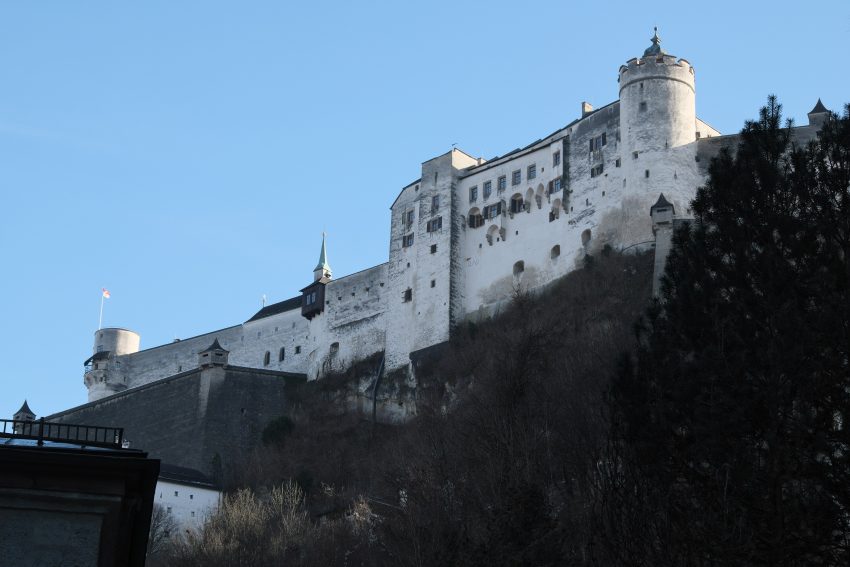
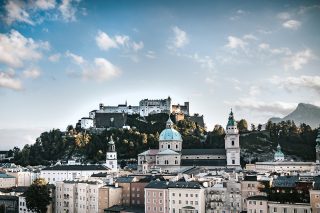
Hohensalzburg (often called Festung Hohensalzburg) is Salzburg's iconic hilltop fortress, perched above the baroque spires of the UNESCO-listed Old Town on the Festungsberg. It's one of those landmarks you'll spot from almost anywhere along the Salzach River, and it rewards you with sweeping city-and-Alps panoramas the moment you reach the ramparts.
Most visitors pair Hohensalzburg with a walking tour of Salzburg's Altstadt, then finish by riding the FestungsBahn funicular or walking up for sunset views. For the best vantage points, aim for the bastions and terraces facing the cathedral domes and the river valley—this is where Salzburg's postcard skyline really clicks into place.
Table of Contents
- History and Significance of the Hohensalzburg
- Things to See and Do in the Hohensalzburg
- How to Get to the Hohensalzburg
- Practical Tips on Visiting the Hohensalzburg
- Where to Stay Close to the Hohensalzburg
- Is the Hohensalzburg Worth Visiting?
- For Different Travelers
- FAQs for Visiting Hohensalzburg
- Nearby Attractions to the Hohensalzburg
History and Significance of the Hohensalzburg
Hohensalzburg was built to project power and provide security for Salzburg's prince-archbishops, who shaped the city's politics, wealth, and architecture for centuries. Its position high above the Old Town wasn't just dramatic—it was strategic, controlling approaches to the city and signaling authority to anyone arriving in the valley.
Over time, the fortress expanded from a defensive stronghold into a complex of courtyards, bastions, chambers, and service buildings. Walking through the gates today, you can still read the layers of history in the changing styles of walls, towers, and fortifications.
Beyond military history, Hohensalzburg is significant because it frames Salzburg's identity: a compact, elegant city with a powerful ecclesiastical past. Visiting helps you understand why Salzburg looks the way it does—grand churches and palaces below, and a fortress above that quietly insists it has seen it all.
Things to See and Do in the Hohensalzburg
Start with the outdoor castle grounds: courtyards, defensive walkways, and bastions that double as scenic terraces. The panorama route around the fortress is the essential experience—take your time circling viewpoints to compare angles over the Old Town, the Salzach River, and the surrounding mountains.
Inside, the museums and themed rooms add context, especially if you want more than just views. You’ll find exhibits that touch on Salzburg’s military past, daily life within the fortress, and the city’s broader story—use them as a “history break” between stretches of walking the ramparts.
If you’re traveling with kids (or you simply like playful details), keep an eye out for interactive or visual highlights that break up the stone-and-history rhythm. The fortress is big enough that it’s worth pacing your visit: viewpoints first, interiors next, then a final loop outside to end on the best photo spots.
How to Get to the Hohensalzburg
The nearest major airports are Salzburg Airport (SZG) for the quickest arrival, with Munich Airport (MUC) as a common international alternative with frequent onward connections. For the best deals and a seamless booking experience, check out these flights to Salzburg on Booking.com.
Salzburg is easy to reach by rail, and Salzburg Hauptbahnhof (main station) connects well to Vienna, Munich, and other Central European cities; from there, local transit or a short taxi ride gets you to the Old Town and the fortress approach. You can easily check timetables and book train tickets through the ÖBB (Austrian Federal Railways) website. However, for a smoother experience, we recommend using Omio, which simplifies the booking process and lets you compare routes, prices, and departure times all in one place.
If you’re driving, aim for a central garage near the Old Town and continue on foot or by funicular rather than trying to navigate the historic core. If you are looking to rent a car in Austria I recommend having a look at Discover Cars, first, as they compare prices and review multiple car rental agencies for you.
Practical Tips on Visiting the Hohensalzburg
- Official website: https://www.festung-hohensalzburg.at/en/
- Entrance fee: Basic Ticket with funicular: Adults: €15.50; Children (6–14): €6.30. All-inclusive ticket with funicular: Adults: €19.20; Children (6–14): €7.30.
- Opening hours: (January – April) Daily: 09:30–17:00. (May – September) Daily: 08:30–20:00. (October – December) Daily: 09:30–17:00. December 24: 09:30–14:00. Easter & Advent weekends: 09:30–18:00.
- Best time to visit: Go early for clearer views and fewer tour groups, or late afternoon for warmer light over the Old Town. Shoulder-season days can feel calmer while still offering great visibility.
- How long to spend: Plan 2–3 hours for viewpoints plus museums, or 60–90 minutes if you’re focused mainly on the panorama walk and photos.
- Accessibility: The funicular makes the ascent easy, but the fortress has uneven surfaces, slopes, and steps in places; prioritize the main courtyards and viewpoints if you need a flatter route.
- Facilities: Expect restrooms on-site and places to pause for a drink or snack; bring a light layer because the hilltop can feel cooler and windier than the Old Town.
Where to Stay Close to the Hohensalzburg
Base yourself in Salzburg's Old Town (Altstadt) for the easiest walk to the fortress approach, river views, and the best evening atmosphere after day-trippers leave.
Hotel Sacher Salzburg A classic, splurge-worthy choice by the river with polished service and an unbeatable location for walking between the Altstadt highlights and the fortress viewpoints.
Hotel Goldener Hirsch, a Luxury Collection Hotel Right in the heart of the Old Town, this is ideal if you want historic character, immediate access to Salzburg’s most famous street, and a short, scenic route toward the fortress.
arthotel Blaue Gans A stylish boutique stay that balances modern design with Old Town charm—great for travelers who want something distinctive without losing the central location.
Hotel am Dom A smaller, well-placed option near the cathedral area, perfect for early starts to beat crowds on the funicular and quick returns for a midday break.
JUFA Hotel Salzburg City A practical, family-friendly pick with good value and space, especially if you’re traveling with kids and want an easier budget while staying close to the sights.
Is the Hohensalzburg Worth Visiting?
Yes—Hohensalzburg is the single best “big picture” experience in Salzburg. The views alone justify the trip, and the fortress grounds give you a satisfying sense of scale and history that you can't get from street level.
Honest Pivot: If you strongly dislike crowds, steep walks, or paying for major attractions, you might prefer enjoying the fortress from below and spending your time in quieter neighborhoods, riverside walks, or smaller museums. It’s also skippable if you’ve just visited several large European fortresses and you’re mainly looking for something different than ramparts and exhibits.
For Different Travelers
Hohensalzburg works well because you can tailor it: quick panorama loop, deeper museum visit, or a slow, photo-focused wander. The key is choosing the right ticket and timing so you spend more time enjoying the setting than waiting in lines.
Families with Kids
The funicular ride feels like an attraction in itself, and the fortress layout gives kids plenty of space to move around between viewpoints and courtyards. Plan your route with frequent “lookout stops” so the visit feels like a series of mini-rewards.
If attention spans are short, focus on the outdoor areas first, then pick just one or two interior sections rather than trying to see everything. A small snack break can reset the mood before the final panorama loop.
Couples & Romantic Getaways
For couples, the fortress is at its best in late afternoon when the light softens and the city looks especially cinematic. Walk the ramparts slowly, linger at the terraces, and treat the visit as a scenic ritual rather than a checklist.
If you're planning a proposal-style moment or simply want quieter photos, aim for off-peak hours and seek out less-busy corners of the bastions. The contrast between the intimate Old Town below and the open views above makes this a memorable Salzburg date.
Budget Travelers
You can keep costs down by walking up instead of taking the funicular, then prioritizing the outdoor grounds and viewpoints. Even a shorter visit delivers the main payoff: Salzburg’s skyline and the surrounding mountains.
Pack water and a small snack, and time your visit to avoid peak midday crowds that can make the experience feel rushed. If you’re choosing between multiple paid attractions, this is one of the best “value for views” stops in the city.
History Buffs
History lovers will appreciate how the fortress tells Salzburg’s story from the top down—literally and politically. The structure’s layers make it easy to imagine how power, defense, and daily life intersected over centuries.
To get more from the visit, slow down and read the interpretive material rather than rushing from viewpoint to viewpoint. Pairing the fortress with an Old Town walking tour helps connect what you see inside the walls to the churches, squares, and palaces below.
FAQs for Visiting Hohensalzburg
Getting There
Tickets & Entry
Visiting Experience
Tours, Context & Itineraries
Photography
Accessibility & Facilities
Food & Breaks Nearby
Safety & Timing
Nearby Attractions to the Hohensalzburg
- Salzburg Cathedral: A baroque centerpiece of the Old Town with an impressive interior and historic atmosphere.
- Mozart's Birthplace (Getreidegasse): A popular museum stop that adds cultural context to a Salzburg itinerary.
- Mirabell Palace and Gardens: Formal gardens and classic photo spots with easy access from central Salzburg.
- St. Peter's Abbey and Cemetery: A peaceful, historic complex with atmospheric lanes and rock-cut catacombs nearby.
- Mönchsberg viewpoints: Scenic walking paths and overlooks that offer alternative angles on the city skyline.
The Hohensalzburg appears in our Complete Guide to Visiting Salzburg!

Moira & Andy
Hey! We're Moira & Andy. From hiking the Camino to trips around Europe in Bert our campervan — we've been traveling together since retirement in 2020!
This website uses affiliate links which may earn a commission at no additional cost to you!
Planning Your Visit
(January - April) Daily: 09:30-17:00.
(May - September) Daily: 08:30-20:00.
(October - December) Daily: 09:30-17:00.
December 24: 09:30-14:00.
Easter & Advent weekends: 09:30-18:00.
Basic Ticket with funicular: Adults: €15.50; Children (6-14): €6.30. All-inclusive ticket with funicular: Adults: €19.20; Children (6-14): €7.30.
Nearby Attractions
- Fortress Museum (0.0) km
Castle, Historic Site and Museum - Kapitelplatz (0.2) km
Sculpture, Square and Viewing Point - Salzburger Dom (0.3) km
Cathedral, Historic Building and Religious Building - Residenzplatz (0.3) km
Area, Attraction and Square - Nonnberg Convent (0.3) km
Abbey, Convent and Historic Site - Salzburger Heimatwerk (0.3) km
Attraction, Bazaar and Shop - Salzburg Museum (0.3) km
Attraction, Gallery and Museum - Domplatz (0.3) km
Attraction, Courtyard and Square - Residenz (0.3) km
Historic Site, Museum and Palace - St. Peter's Abbey and Cemetery (0.3) km
Abbey, Cemetery and Historic Site