Grenoble Archaeological Museum
Historic Site and Museum in Grenoble
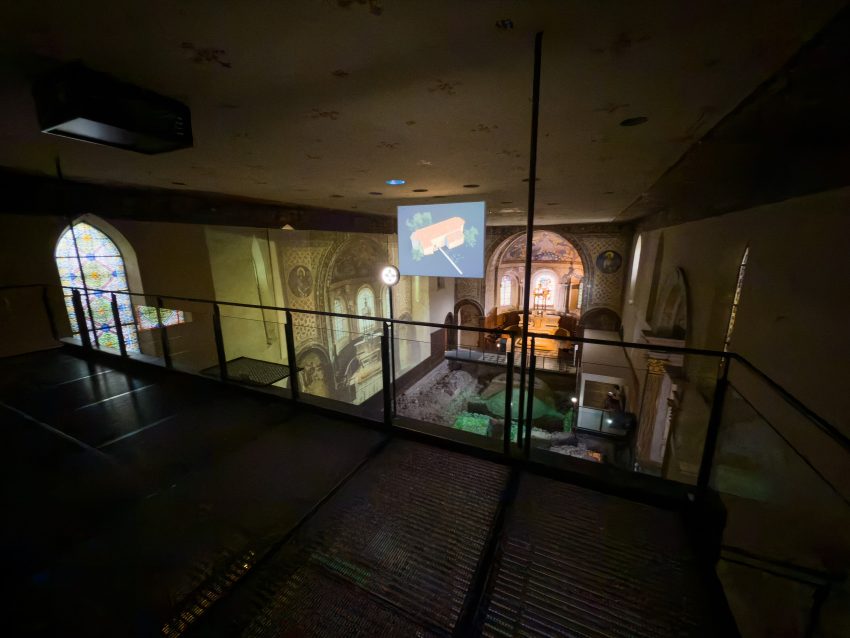
The Grenoble Archaeological Museum (often referred to as the Musée archéologique Saint-Laurent) is one of Grenoble's most atmospheric cultural stops, set inside and beneath the former Saint-Laurent church on the banks of the Isère. Rather than a classic gallery of cases and labels, it feels like a time-travel walk through layers of stone, burials, and architecture that reveal how the city evolved from late antiquity through the medieval period and beyond.
It's an easy add-on to a historic-center walking tour: cross the river from the old town, pair it with the nearby Notre-Dame area, and finish with viewpoints like the Bastille for a perfect “history-to-mountains” day. If you like places where the building is the exhibit, this is one of the best places in Grenoble to slow down and look closely.
Table of Contents
- History and Significance of the Grenoble Archaeological Museum
- Things to See and Do in the Grenoble Archaeological Museum
- How to Get to the Grenoble Archaeological Museum
- Practical Tips on Visiting the Grenoble Archaeological Museum
- Where to Stay Close to the Grenoble Archaeological Museum
- Is the Grenoble Archaeological Museum Worth Visiting?
- For Different Travelers
- FAQs for Visiting Grenoble Archaeological Museum
- Nearby Attractions to the Grenoble Archaeological Museum
History and Significance of the Grenoble Archaeological Museum
The museum is built around a major archaeological site in one of Grenoble’s oldest neighborhoods. Over decades of excavations, researchers uncovered a dense sequence of structures and burials that document nearly two millennia of religious, funerary, and urban history.
What makes it significant is the way the site preserves multiple phases in one place: from an early Christian necropolis and late antique remains to medieval additions and later church rebuilding. The result is a rare, readable “stack” of Grenoble’s past, where you can literally follow the city’s story downward through time.
The Saint-Oyand crypt (dating to the early medieval period) is a highlight for many visitors, and the museum’s interpretive approach helps connect the stones and tombs to real lives, beliefs, and changing rituals across centuries.
Things to See and Do in the Grenoble Archaeological Museum
Start by taking the route as a chronological descent: you’ll move through architectural layers, foundations, and preserved burial areas that make the archaeology feel immediate. Look for the transitions in masonry and layout that signal different eras, and notice how the site’s function shifts from cemetery to church complex.
Don’t miss the crypt spaces and the most legible clusters of tombs, where the museum’s lighting and staging make the stratigraphy easier to understand. If you enjoy context, plan to spend time with the interpretive panels and any multimedia elements that help reconstruct what the church and surrounding quarter looked like in earlier centuries.
Finally, treat the visit as part of a broader neighborhood walk: step back outside and explore Place Saint-Laurent and the riverfront, then continue into the historic center for cafés, small streets, and other museums within easy reach.
How to Get to the Grenoble Archaeological Museum
For flights, the most convenient gateways are typically Lyon–Saint Exupéry Airport (LYS), Grenoble Alpes Isère Airport (GNB, limited/seasonal), and Geneva Airport (GVA), then onward to Grenoble by ground transport. For the best deals and a seamless booking experience, check out these flights to Grenoble on Booking.com.
Grenoble is well connected by rail, with frequent services from major French cities; from Grenoble station you can continue by tram, bus, taxi, or a pleasant walk depending on your pace and luggage. You can use SNCF Connect to check schedules, compare routes, and purchase tickets for National (SNCF ) and regional trains (TER). For a more streamlined experience, we recommend using Omio, which allows you to easily compare prices, schedules, and book tickets for both National and Regional travel across all of Europe, all in one place..
If you're driving, Grenoble is accessible via major motorways, but parking near the historic center can be limited, so consider using a public car park and finishing the last stretch on foot or by tram. If you are looking to rent a car in France I recommend having a look at Discover Cars, first, as they compare prices and review multiple car rental agencies for you..
Practical Tips on Visiting the Grenoble Archaeological Museum
- Official website: https://musees.isere.fr/musee/musee-archeologique-saint-laurent
- Entrance fee: Free.
- Opening hours: Tuesday – Sunday: 10:00–18:00. Closed on Monday. Closed exceptionally on January 1, May 1, December 25.
- Best time to visit: Aim for a weekday late morning or mid-afternoon for a calmer, more contemplative experience, especially if you like to read the interpretation as you go.
- How long to spend: Plan 60–90 minutes for a satisfying visit, or up to 2 hours if you enjoy archaeology and want to take your time with the site’s layers.
- Accessibility: The museum is generally accessible, but because it’s an archaeological site with level changes, some areas may require assistance; check ahead if you use a wheelchair.
- Facilities: Expect basic visitor amenities and a small shop; bring a light layer since stone interiors can feel cool compared with the street outside.
Where to Stay Close to the Grenoble Archaeological Museum
Base yourself in central Grenoble near the historic center for the easiest walking access to museums, riverside strolls, and tram connections.
Le Grand Hôtel Grenoble, BW Premier Collection A polished, central option near shops and transit, ideal if you want a comfortable base with everything walkable.
OKKO Hotels Grenoble Jardin Hoche A modern, design-forward stay with a social lounge vibe, great for couples or solo travelers who like a streamlined experience.
RockyPop Grenoble Hotel Playful décor and a lively atmosphere make this a fun pick if you want something less traditional but still central.
Hôtel d’Angleterre Grenoble Hyper-Centre A classic-feeling city hotel on an iconic square, convenient for dining and people-watching after museum visits.
Ibis Grenoble Centre Bastille A practical, budget-friendly choice close to the Bastille area and river crossings, useful for early starts and simple logistics.
Is the Grenoble Archaeological Museum Worth Visiting?
Yes, especially if you like history that feels tangible. The Grenoble Archaeological Museum stands out because it's not just about objects behind glass; it's about walking through the physical evidence of the city's past, with a mood that's quiet, immersive, and distinctly “Grenoble.”
Honest Pivot: If you prefer big-name art collections, highly interactive science museums, or fast-paced highlights-only sightseeing, you may find this visit too subtle and textural. It’s best for travelers who enjoy slow looking, layered stories, and the atmosphere of ancient stone.
For Different Travelers
This museum rewards curiosity more than checklist tourism. It’s compact enough to fit into a busy itinerary, but rich enough to satisfy travelers who want a deeper sense of place.
Families with Kids
For kids who like mysteries, tunnels, and “what’s under the floor?” stories, the site can be genuinely exciting. Turning the visit into a scavenger hunt for symbols, tomb shapes, and architectural changes helps keep attention high.
Very young children may tire if the visit becomes label-heavy, so keep the pace flexible and plan a nearby break by the river afterward. Pairing it with an outdoor stop (like a playground or a short riverside walk) balances the day.
Couples & Romantic Getaways
This is a great “quiet hour” museum for couples: dimmer light, stone textures, and a sense of discovery make it feel intimate. It also works well as a rainy-day plan that still feels memorable.
Afterward, the Saint-Laurent neighborhood and the riverfront are ideal for a slow stroll, and you can easily continue into the old town for dinner without needing transport.
Budget Travelers
Because entry is free, it's one of the best-value cultural activities in Grenoble. You can build an entire low-cost day around it by walking between neighborhoods and using trams only when needed.
To keep spending down, visit during standard hours, skip taxis, and plan a picnic-style snack by the Isère or in a nearby square rather than a sit-down meal.
History Buffs
For history lovers, the appeal is the continuity: late antique burials, early medieval crypt spaces, and later church phases all in one readable sequence. It’s also a strong complement to Grenoble’s other museums because it anchors the city’s story in a specific, excavated place.
Take your time to notice construction seams, reused stone, and the way the museum frames funerary practices over centuries. If you enjoy archaeology as method (not just artifacts), this is one of Grenoble’s most rewarding stops.
FAQs for Visiting Grenoble Archaeological Museum
Getting There
Tickets & Entry
Visiting Experience
Tours, Context & Itineraries
Photography
Accessibility & Facilities
Food & Breaks Nearby
Safety & Timing
Nearby Attractions to the Grenoble Archaeological Museum
- Grenoble Cathedral (Cathédrale Notre-Dame de Grenoble): A historic cathedral complex near the old town, good for architecture and a quick cultural stop.
- Musée de Grenoble: The city's flagship art museum with strong collections, ideal if you want to balance archaeology with painting and sculpture.
- Musée Dauphinois: A museum of regional culture and history in a striking setting, great for understanding local life and traditions.
- Fort de la Bastille: Grenoble's iconic hilltop fort and viewpoint, reached by hike or cable car for panoramic city-and-mountain views.
- Jardin de Ville: A central green space perfect for a relaxed break between museums and cafés.
The Grenoble Archaeological Museum appears in our Complete Guide to Visiting Grenoble!

Moira & Andy
Hey! We're Moira & Andy. From hiking the Camino to trips around Europe in Bert our campervan — we've been traveling together since retirement in 2020!
This website uses affiliate links which may earn a commission at no additional cost to you!
Planning Your Visit
Tuesday - Sunday: 10:00-18:00.
Closed on Monday.
Closed exceptionally on January 1, May 1, December 25.
Free.
Nearby Attractions
- Musee de Grenoble (0.4) km
Museum - Musee Dauphinois (0.5) km
Gardens, Monastery and Museum - Musee de l'Ancien Eveche (0.5) km
Historic Building, Historic Site and Museum - Catedral de Notre Dame (0.5) km
Cathedral and Religious Building - Musee des Troupes de Montagne (0.6) km
Historic Site and Museum - Ancien Palais du Parlement (0.6) km
Historic Building, Historic Site and Palace - Fort de la Bastille (0.6) km
Cable Car, Castle and Viewing Point - Cafe La Table Ronde (0.6) km
Café and Historic Building - Collegiate Church of Saint-André (0.6) km
Church, Historic Site and Religious Building - Grande Rue (0.6) km
Area, Street and Walk