Grande Rue, Grenoble
Area, Street and Walk in Grenoble
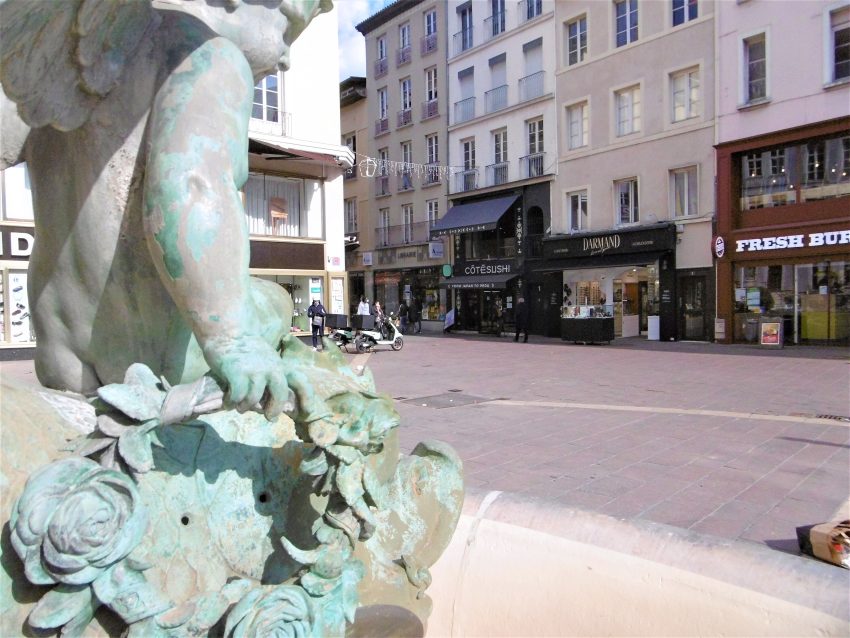
Grande Rue is one of Grenoble's classic old-town streets, a pedestrian spine running through the Notre-Dame quarter between Place Saint-André and Place Grenette. It's the kind of place you naturally end up on when you're exploring the historic center on foot, with storefronts, small passages, and a steady flow of locals doing everyday errands.
If you're visiting Grenoble for the first time, Grande Rue works best as part of a walking tour of the city center: start around Place Saint-André, wander the side streets toward Sainte-Claire and the Halles, then finish near Place Grenette for a coffee or aperitif. Along the way, you'll get an easy, street-level feel for Grenoble's history and its modern, lived-in energy.
Table of Contents
- History and Significance of the Grande Rue
- Things to See and Do in the Grande Rue
- How to Get to the Grande Rue
- Practical Tips on Visiting the Grande Rue
- Where to Stay Close to the Grande Rue
- Is the Grande Rue Worth Visiting?
- For Different Travelers
- FAQs for Visiting Grande Rue
- Nearby Attractions to the Grande Rue
History and Significance of the Grande Rue
Grande Rue is among Grenoble's oldest documented streets, rooted in the historic core that once sat inside the city's medieval defenses. Over centuries it functioned as a main axis of movement and commerce, which is still obvious today in how it connects two of the old center's most important squares.
The street's identity has shifted with the city's changes: from earlier names tied to gates and local landmarks to its modern role as a central shopping and strolling route. In the late 20th century, Grenoble's push to pedestrianize parts of the center helped shape Grande Rue into the walkable, people-first street you experience now.
Beyond urban planning, Grande Rue also carries a “memory” layer: plaques, notable addresses, and nearby cultural sites point to writers, thinkers, and local figures connected to the neighborhood. Even if you don't chase every detail, the street rewards slow walking and looking up at façades.
Things to See and Do in the Grande Rue
Treat Grande Rue as a choose-your-own-pace promenade. The simplest pleasure is to walk the full length from Place Saint-André to Place Grenette, then loop back via parallel lanes like Rue des Clercs or Rue Jean-Jacques-Rousseau to vary the scenery and shopfronts.
For architecture and atmosphere, look for older façades, tucked-in courtyards, and the subtle transitions where the street opens into small squares. If you like literary and local-history threads, keep an eye out for commemorative plaques and nearby cultural stops that connect to Grenoble’s well-known residents and stories.
Food and shopping are the everyday highlights: pop into independent boutiques, pick up regional treats, and plan a market-style detour toward the Halles Sainte-Claire area. Grande Rue is also a convenient “connector” street—use it to stitch together a half-day itinerary between museums, cafés, and the riverside.
How to Get to the Grande Rue
The nearest major airports are Lyon–Saint Exupéry (LYS) and Grenoble Alpes Isère (GNB), with Geneva Airport (GVA) also a practical option depending on your route. For the best deals and a seamless booking experience, check out these flights to Grenoble on Booking.com.
Grenoble is easy to reach by train, with frequent connections from major French cities to Grenoble Gare, then a short onward ride or walk into the historic center. You can use SNCF Connect to check schedules, compare routes, and purchase tickets for National (SNCF ) and regional trains (TER). For a more streamlined experience, we recommend using Omio, which allows you to easily compare prices, schedules, and book tickets for both National and Regional travel across all of Europe, all in one place.
If you’re driving, aim for a central parking garage on the edge of the pedestrian zone and continue on foot into the old town. If you are looking to rent a car in France I recommend having a look at Discover Cars, first, as they compare prices and review multiple car rental agencies for you.
Practical Tips on Visiting the Grande Rue
- Entrance fee: Free.
- Opening hours: 24 Hours.
- Best time to visit: Late morning for relaxed browsing, or early evening when the center feels most lively for drinks and people-watching.
- How long to spend: Plan 30–60 minutes for a simple stroll, or 1.5–2 hours if you’re shopping, stopping for coffee, and exploring side streets.
- Accessibility: It’s a pedestrian street, generally easy for walking, but expect typical old-town surfaces and occasional narrow sections.
- Facilities: You’ll find plenty of cafés, bakeries, and shops nearby; public restrooms are more likely around major squares and tourist hubs.
Where to Stay Close to the Grande Rue
Base yourself in central Grenoble (the historic center/Hyper-centre) for the easiest walkable access to Grande Rue, restaurants, and tram connections.
Le Grand Hôtel Grenoble, BW Premier Collection A polished, central option near Place Grenette that's ideal if you want to step straight from your hotel into the pedestrian core.
OKKO Hotels Grenoble Jardin Hoche A modern, comfort-forward stay with a reliable standard and a location that works well for both the old town and broader city exploring.
Hôtel de l’Europe Grenoble A characterful pick right on a key square at the edge of Grande Rue—great for atmosphere and quick access to cafés.
Mercure Grenoble Centre Président A solid full-service choice if you prefer a larger hotel feel while still being a short tram or walk from the center.
Ibis Grenoble Centre Bastille A practical, budget-friendly base close to the river and within easy reach of the old town on foot.
Is the Grande Rue Worth Visiting?
Yes—Grande Rue is worth visiting because it's one of the simplest, most enjoyable ways to understand Grenoble quickly: you get history, daily local life, and an easy route between major old-town squares without needing a “big-ticket” attraction. It's especially satisfying if you like cities best at street level, with spontaneous stops for pastries, shopping, and small architectural details.
Honest Pivot: If you're short on time and only want headline sights, you might skip a dedicated visit and instead pass through Grande Rue only as a connector between a museum, the Bastille cable car area, or a specific restaurant. It's also less compelling if you dislike shopping streets or prefer nature-only itineraries.
For Different Travelers
Grande Rue is flexible: it can be a quick orientation walk, a shopping-and-snacking stretch, or a calm daytime wander between cultural stops. The key is to pair it with one or two nearby anchors (a square, a market hall, a museum) so it feels like part of a bigger story.
Families with Kids
Grande Rue works well for families because it's pedestrian, central, and easy to dip in and out of. You can keep the pace light, stop for snacks, and avoid the stress of traffic.
To make it kid-friendly, turn it into a short “square-to-square” walk: start with space to roam at Place Saint-André and end with a treat near Place Grenette. Side streets offer quick variety if attention spans run short.
Couples & Romantic Getaways
For couples, Grande Rue is best in the early evening when the old town feels warm and social. The pedestrian setting makes it easy to stroll slowly, browse a few shops, and choose a spot for wine or dessert.
Build a simple date-style loop: Grande Rue plus a detour through adjacent lanes, then finish at a lively square. It's not grandiose romance—it's relaxed, local, and charming.
Budget Travelers
Grande Rue is a strong budget stop because the main experience is simply walking and soaking up the city. Window-shopping, people-watching, and exploring side streets cost nothing.
If you’re watching spending, use the area for affordable eats like bakeries and casual cafés, and plan your day around free wandering in the historic center. It’s also a convenient corridor for reaching other sights without paid transport.
FAQs for Visiting Grande Rue
Getting There
Tickets & Entry
Visiting Experience
Tours, Context & Itineraries
Photography
Accessibility & Facilities
Food & Breaks Nearby
Safety & Timing
Nearby Attractions to the Grande Rue
- Place Saint-André, a historic square that makes a natural starting point for an old-town walk.
- Place Grenette, a lively central square ideal for cafés and people-watching after your stroll.
- Halles Sainte-Claire, a covered market area nearby for local food browsing and quick bites.
- Musée de Grenoble, a major art museum a short walk away for a culture-focused add-on.
- Téléphérique de Grenoble-Bastille, the iconic cable car access point is reachable from the center for panoramic views.
The Grande Rue appears in our Complete Guide to Visiting Grenoble!

Moira & Andy
Hey! We're Moira & Andy. From hiking the Camino to trips around Europe in Bert our campervan — we've been traveling together since retirement in 2020!
This website uses affiliate links which may earn a commission at no additional cost to you!
Planning Your Visit
24 Hours.
Free.
Nearby Attractions
- Cafe La Table Ronde (0.1) km
Café and Historic Building - Collegiate Church of Saint-André (0.1) km
Church, Historic Site and Religious Building - Ancien Palais du Parlement (0.1) km
Historic Building, Historic Site and Palace - Musee Stendhal (0.1) km
Museum - Rue Lafayette (0.1) km
Area, Street and Walk - Appartement Natal de Stendhal (0.1) km
Historic Building, Historic Site and Museum - Jardin de Ville (0.2) km
Attraction, Gardens and Park - Roman Walls of Grenoble (0.2) km
Roman Site - Place Grenette (0.2) km
Area, Attraction and Square - Halle Sainte-Claire (0.2) km
Market