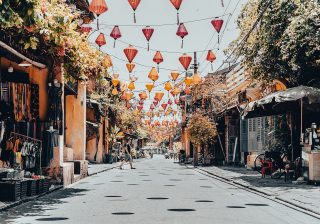
Fujian Assembly Hall, Hoi An
Historic Building in Hoi An
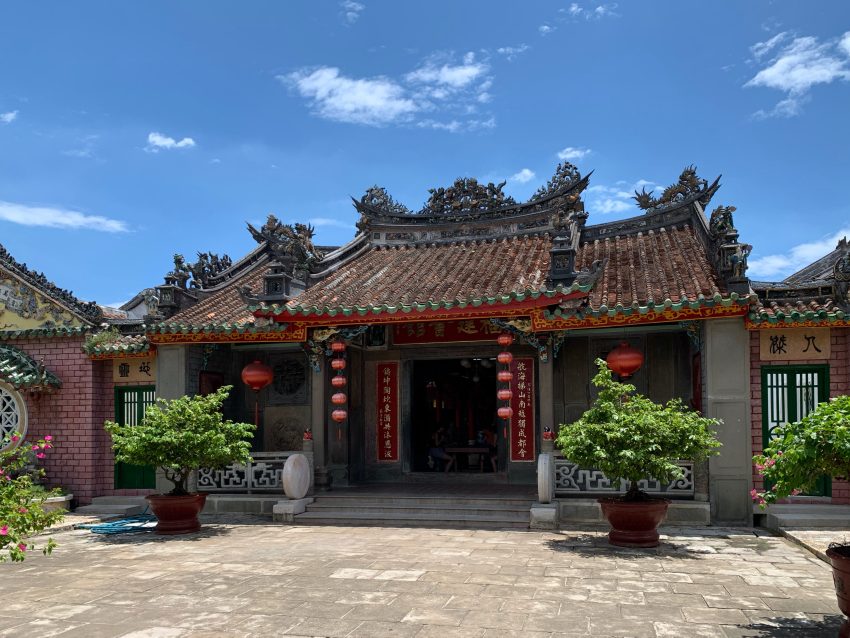
The Fujian Assembly Hall, constructed in 1692 and rebuilt in 1759, is one of the most distinguished heritage sites in Hoi An. Founded by the Chinese community from Fujian, it originally served as a social gathering space before evolving into a temple honouring Thien Hau, the sea goddess who protects sailors. Its central location on Tran Phu Street and its captivating architecture make it one of the must-see places in Hoi An for travellers exploring the Ancient Town.
Visitors are welcomed by a grand gateway, an ornamental courtyard with fountains, and richly decorated chambers showcasing centuries of Fujian cultural influence. Since it is often visited on walking tours of Hoi An, the hall offers a meaningful blend of spirituality, craftsmanship, and history that continues to captivate locals and travellers alike.
Table of Contents
- History and Significance of Fujian Assembly Hall
- Things to See and Do in Fujian Assembly Hall
- How to Get to Fujian Assembly Hall
- Practical Tips on Visiting Fujian Assembly Hall
- Where to Stay close to Fujian Assembly Hall
- Is Fujian Assembly Hall Worth Visiting?
- FAQs for Visiting Fujian Assembly Hall
- Nearby Attractions to Fujian Assembly Hall
History and Significance of Fujian Assembly Hall
The origins of the Fujian Assembly Hall date back to the thriving days of Hoi An's international trading port. Built by Fujian merchants who settled in the area, it first served as a communal hall-a place for meetings, celebrations, and mutual support. Local legends recall that a statue of Thien Hau, washed ashore in 1697, inspired the community to transform the hall into a temple dedicated to her protection and benevolence.
Rebuilt in 1759, the hall expanded in size and artistic detail, incorporating symbolic décor that reflected Fujian beliefs about prosperity, fertility, and harmony. Over the centuries, the hall became deeply rooted in the spiritual life of Hoi An’s Chinese community, serving as a centre for festivals, ancestor veneration, and cultural events.
Today, the hall remains a living testament to the rich cultural mosaic that shaped Hoi An. Its preserved rituals, artefacts, and architectural features offer visitors a captivating window into Chinese-Vietnamese heritage.
Things to See and Do in Fujian Assembly Hall
The entrance gate, decorated with colourful motifs and intricate patterns, sets the tone for what awaits inside. The courtyard, dotted with fountains and dragon sculptures, is one of the top sights in Hoi An for those who love atmospheric cultural spaces.
Inside the main hall, travellers will find elaborately carved dragons, striking altars, and beautifully arranged incense offerings. One of the most notable areas lies behind the main altar, where visitors can see the shrine dedicated to the God of Prosperity along with figures of the fertility goddess, three fairies, and twelve midwives. These symbolic figures are believed to guide newborns in essential skills like crying, smiling, and eating, which is why many couples come here to pray for children.
The hall's murals, lacquered boards, bronze drums, and bells contribute to an ambience rich in symbolism and traditional artistry. Exploring these details at your own pace is one of the things to do in Hoi An for anyone interested in the deeper cultural layers of the Ancient Town.
How to Get to Fujian Assembly Hall
The nearest major hub is Da Nang International Airport, which offers domestic and international connections and lies about 45 minutes from Hoi An. For the best deals and a seamless booking experience, check out these flights to Hoi An on Booking.com.
Hoi An does not have a railway station, so visitors arriving by train typically use Da Nang Railway Station before continuing onward by shuttle, taxi, or bus. Train schedules and bookings can be found on Omio.
Once in Hoi An, reaching the Fujian Assembly Hall is simple. It stands prominently on Tran Phu Street in the Ancient Town, easily accessible on foot, bicycle, or by taxi. Cars are restricted in parts of the historic centre, so drivers should use designated parking areas nearby.
Practical Tips on Visiting Fujian Assembly Hall
- Suggested tips: Wear respectful clothing, as this is an active place of worship.
- Best time to visit: Early mornings offer quieter moments and softer light for photos.
- Entrance fee: Hoi An Ancient Town ticket required (120,000 VND)
- Opening hours: Typically 8:00–17:00
- How long to spend: Around 45 minutes to one hour is ideal.
- Accessibility: Courtyard areas are accessible; some interior steps may be uneven.
- Facilities: Nearby cafés, shops, and facilities are available throughout the Ancient Town.
- Photography tip: Capture the entrance gate and courtyard fountains before crowds arrive.
- Guided tours: Many Hoi An heritage tours include a stop at this assembly hall.
- Nearby food options: Tran Phu Street offers excellent Vietnamese eateries and snack spots.
Where to Stay close to Fujian Assembly Hall
Staying near the Ancient Town allows you to explore the Fujian Assembly Hall at a relaxed pace. Consider Allegro Hoi An, known for its charm and boutique comfort. Another excellent option is Little Riverside Hoi An, offering beautiful riverfront views. For those seeking historic ambience, Vinh Hung Heritage Hotel places you right in the heart of the old quarter.
Is Fujian Assembly Hall Worth Visiting?
Yes, the Fujian Assembly Hall is absolutely worth visiting. Its striking architecture, spiritual significance, and cultural heritage create a deeply engaging experience for travellers. Whether you're drawn to ornate temples, local history, or atmospheric spaces, this hall offers a memorable glimpse into Hoi An's vibrant past and enduring traditions.
What Other Travellers Say...

Fujian Assembly Hall at 46 Trần Phú in Hoi An is an ornate Chinese assembly hall and place of worship dedicated to the sea goddess Thien Hau (Mazu), built to serve the Fukien/Fujian community; visitors praise its intricate architecture, colourful tiled roofs, detailed wood carvings, bonsai-filled courtyards, incense coils and traditional lanterns, and many find it peaceful, photogenic and meaningful — a short 15–20 minute stop often included with the Old Town ticket, where you can light large incense coils and leave written wishes that staff later burn.


FAQs for Visiting Fujian Assembly Hall
Nearby Attractions to Fujian Assembly Hall
- Cantonese Assembly Hall: A beautifully decorated hall honouring Quan Cong with intricate carvings and dragon motifs.
- Japanese Covered Bridge: One of Hoi An's most iconic landmarks, symbolising the multicultural history of the town.
- Hainan Assembly Hall: A peaceful heritage site dedicated to the spirits of Hainan sailors, featuring a calm courtyard and memorial altars.
- Old House of Tan Ky: A well-preserved merchant residence showcasing architectural styles from three cultures.
- Hoi An Night Market: A lively riverside market filled with lanterns, street food, and local crafts.
The Fujian Assembly Hall appears in our Complete Guide to Visiting Hoi An!

Moira & Andy
Hey! We're Moira & Andy. From hiking the Camino to trips around Europe in Bert our campervan — we've been traveling together since retirement in 2020!
This website uses affiliate links which may earn a commission at no additional cost to you!
Planning Your Visit
Typically 8:00-17:00
Hoi An Ancient Town ticket required (120,000 VND)
Nearby Attractions
- Trung Hoa Assembly Hall (0.1) km
Historic Building - Quan Cong Temple (0.1) km
Buddhist Temple - Museum of Trade Ceramics (0.1) km
Museum - Hainan Assembly Hall (0.1) km
Historic Building - Tran Family Chapel (0.2) km
Historic Building - Trieu Chau Assembly Hall (0.3) km
Historic Building - Ancient House of Tan Ky (0.3) km
Historic Building - Museum of History and Culture (0.3) km
Museum - Duc An Ancient House (0.4) km
Historic Building - Ba Mu Temple (0.4) km
Buddhist Temple