Fort Médoc, Bordeaux
Castle near Bordeaux
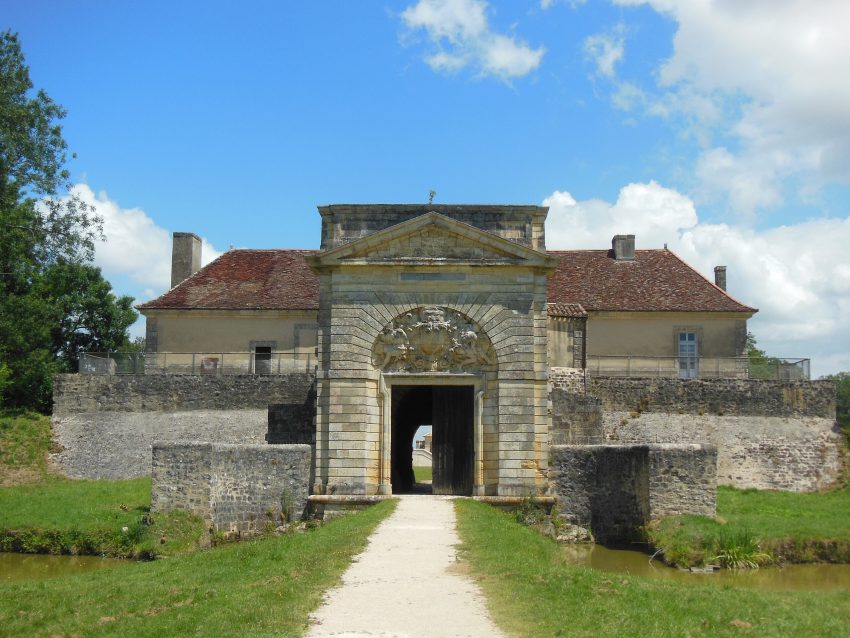
Fort Médoc is one of the top sights in Cussac-Fort-Médoc for travellers interested in military history, engineering, and scenic riverside landscapes. Built in the late 17th century by Vauban, the brilliant military engineer of Louis XIV, this imposing fortress once formed part of the famous “Bolt of the Estuary,” a trio of defensive works designed to protect Bordeaux from naval invasion. Today, it stands as a peaceful yet impressive reminder of France's strategic ingenuity.
Although no longer active, the fort remains a great place to visit on any tour of Cussac-Fort-Médoc thanks to its atmospheric ruins, the elegant Porte Royale, and sweeping views across the Gironde estuary. Its grassy ramparts, geometric design, and riverside setting offer a striking contrast between past conflict and present tranquillity.
History and Significance of Fort Médoc
Fort Médoc was constructed between 1689 and 1691 under the direction of Vauban, who designed it as part of a defensive trio along with the Citadel of Blaye and Fort Paté. Together, these three sites formed the “Bolt of the Estuary”-a barrier system that could control any ship attempting to reach Bordeaux, one of France's most important ports.
The fort’s marshy location presented significant engineering challenges. Vauban’s team reinforced the ground and designed a square fortress with four bastions, curtain walls, and a ravelin to protect the main entrance. The monumental Porte Royale, decorated with symbols of Louis XIV, reflected both military strength and royal prestige.
Though the fort never saw major combat, its presence ensured control over the estuary for more than a century. By the 19th century, advances in artillery and warfare rendered the structure obsolete, leading to its gradual decline. In 2008, its importance was recognised when it became part of the UNESCO-listed Fortifications of Vauban.
Things to See and Do in Fort Médoc
A visit to Fort Médoc allows you to explore many preserved sections, including the barracks, powder magazine, chapel ruins, and fresh-water cistern. Walking along the ramparts gives you a strong sense of Vauban's geometric defensive design, while the Porte Royale remains one of the most impressive surviving elements, with its sculpted royal emblems.
Interpretive panels explain how the fort operated, who lived there, and the role it played in protecting Bordeaux's trade routes. Guided-tours offer additional insight into the fort's construction, daily military life, and the broader context of the “Bolt of the Estuary.” The surrounding parkland and riverside paths make it a peaceful spot for photography and gentle exploration.
How to Get There
Fort Médoc is located in the village of Cussac-Fort-Médoc, approximately 50 kilometres northwest of Bordeaux. Visitors can reach it by regional train to nearby stations followed by a short taxi or bus connection. You can use SNCF Connect to check schedules, compare routes, and purchase tickets for National (SNCF ) and regional trains (TER). For a more streamlined experience, we recommend using Omio, which allows you to easily compare prices, schedules, and book tickets for both National and Regional travel across all of Europe, all in one place. The fort is also accessible by car, with parking available near the entrance. If you are looking to rent a car in France I recommend having a look at Discover Cars, first, as they compare prices and review multiple car rental agencies for you.
Practical Tips on Visiting Fort Médoc
- Best time to visit Fort Médoc: Spring and autumn for mild weather and fewer crowds.
- Entrance fee in Euros: Typically €4-€6; free for children under a certain age.
- Opening hours: Usually April to October, with reduced hours in winter.
- Official website: Check for seasonal updates and guided tour schedules.
- How long to spend: 1-2 hours to explore the grounds and exhibitions.
- Accessibility: Some uneven terrain and steps; partial access for visitors with reduced mobility.
- Facilities: Restrooms, small visitor centre, outdoor picnic areas.
- Photography tip: Sunset over the Gironde creates striking silhouettes of the fort’s walls.
- Guided-tours: Often available in summer; inquire at the entrance.
- Nearby food options: Cafés and restaurants in Cussac-Fort-Médoc and nearby villages.
Where to Stay close to Fort Médoc
For convenience and comfort, consider Hôtel Relais de Margaux, located a short drive away and set within a peaceful estate. A charming alternative is Château Beau Jardin, offering traditional hospitality in the Médoc countryside. Travellers who prefer boutique stays may enjoy Villa Reale.
Is Fort Médoc Worth Visiting?
Yes, Fort Médoc is one of the must-see places in Cussac-Fort-Médoc for travellers interested in military history, UNESCO sites, or Vauban's architectural legacy. Its peaceful riverside atmosphere combined with its historical importance makes it a rewarding stop on any Médoc itinerary.
What Other Travellers Say...

Fort Médoc, on Av. du Fort Médoc in Cussac-Fort-Médoc, is a well-maintained historic fort with visible bastions and batteries on the Médoc side of the river; visitors praise its beauty, easy access (even with a stroller), scenic views including nearby fishing huts on stilts along the Gironde, and recommend it as a worthwhile spot to visit, with opening hours on Saturdays and Sundays from 1:00–5:00 PM and a contact phone number of +33 6 86 59 07 75.


FAQs for Visiting Fort Médoc
Nearby Attractions to Fort Médoc
- Citadel of Blaye: A major Vauban fortification overlooking the Gironde.
- Fort Paté: The smallest of the three estuary forts, visible from the river.
- Château Margaux: One of Bordeaux's most famous wine estates.
- Château Beychevelle: A historic winery known for its elegant architecture.
- Blaye Wine Route: Scenic drives through vineyards and charming villages.
The Fort Médoc appears in our Complete Guide to Visiting Bordeaux!

Moira & Andy
Hey! We're Moira & Andy. From hiking the Camino to trips around Europe in Bert our campervan — we've been traveling together since retirement in 2020!
This website uses affiliate links which may earn a commission at no additional cost to you!
Planning Your Visit
In March & November : Weekends and public holidays from 1 pm to 5 pm
In March and November: weekends and public holidays from 1 pm - 5 pm
In April & October: Every day from 10 am to 6 pm
In April and October: every day 10 am - 6 pm
From May to September : Every day from 10 am to 7 pm
From May to September: every day 10 am - 7 pm Annual closure in December ,
€4
Nearby Attractions
- Château Maucaillou (3.4) km
Historic Building and Vinyard - Château Beychevelle (3.5) km
Historic Building and Vinyard - Chateau Latour (7.0) km
Castle and Vinyard - Château Pichon (7.0) km
Historic Building and Vinyard - Château Margaux (9.2) km
Castle and Vinyard - Château Mounton Rothschild (11.4) km
Historic Building and Vinyard - Château Lafite Rothschild (12.7) km
Historic Building and Vinyard - Château Cos d'Estournel (13.4) km
Historic Building and Vinyard - Abbaye Saint-Pierre de Vertheuil (17.2) km
Abbey - Les Halles de Bacalan (31.3) km
Market