Underground Passages, Exeter
Museum and Tunnel in Exeter
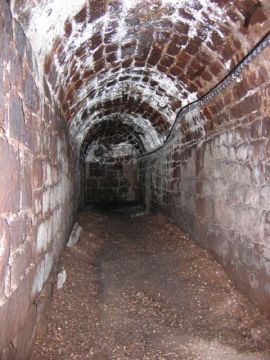
Exeter's Underground Passages are one of the most unusual and captivating historic experiences in the city. Built in the medieval period to protect and repair the lead pipes that carried clean spring water into Exeter, this network of vaulted tunnels offers a rare glimpse beneath the modern streets. It's one of the top attractions in Exeter for travellers who enjoy immersive history and atmospheric architecture.
A visit includes a short film, an exhibition explaining the engineering behind the system, and a guided journey through the dimly lit tunnels. It is often visited on walking tours of Exeter, though entering the passages themselves requires joining an official guided tour. This combination of technical ingenuity and medieval character makes the site one of the must-see places in Exeter.
Table of Contents
- History and Significance of Exeter’s Underground Passages
- Things to See and Do in Exeter’s Underground Passages
- How to Get to Exeter’s Underground Passages
- Practical Tips on Visiting Exeter’s Underground Passages
- Where to Stay close to Exeter’s Underground Passages
- Add a Is Exeter’s Underground Passages Worth Visiting?
- FAQs for Visiting Exeter’s Underground Passages
- Nearby Attractions to Exeter’s Underground Passages
History and Significance of Exeter’s Underground Passages
The origins of the Underground Passages lie in Exeter's medieval need for a clean and reliable water supply. Springs located outside the city walls fed water into Exeter through lead pipes, but as the city grew, maintaining those pipes became increasingly difficult. To avoid digging up the streets-and to keep the supply safe-tunnels were constructed around the pipes to allow repairs and upgrades to be carried out below ground.
This system is unique in Britain. While other medieval cities relied on open conduits or above-ground channels, Exeter invested in an enclosed network that provided both protection and accessibility. Over the centuries, the passages were expanded and rebuilt as water needs changed, especially during periods of civic growth and conflict when fresh water was vital to the city's survival.
By the 19th century, modern water systems overtook the medieval design, but parts of the passages remained intact. After careful restoration, they reopened to the public, offering one of the most atmospheric heritage experiences in Exeter-part archaeology, part engineering, and entirely memorable.
Things to See and Do in Exeter’s Underground Passages
A visit begins above ground with a 10-minute film that introduces the history of Exeter’s water supply, the springs beyond the city walls, and the construction of the passages. This sets the stage for the guided tour that follows.
The 25-minute underground tour is the highlight. Visitors walk through narrow, vaulted tunnels where medieval masons once worked by candlelight. The ceilings arch overhead while the guide explains how the pipes were maintained, how the passages evolved, and what challenges the city faced in protecting its water. The cool air, quiet echoes, and close stone walls create a wonderfully immersive atmosphere.
After returning to the surface, the exhibition offers displays of tools, maps, and artefacts related to Exeter’s water history. It’s a great place to deepen your understanding, especially if you enjoy learning how everyday infrastructure shaped city life over the centuries.
How to Get to Exeter’s Underground Passages
Exeter's Underground Passages are located on Paris Street, close to both the High Street and the Bus Station. The nearest airports are Exeter Airport and Bristol Airport, both offering convenient access to the city. For the best deals and a seamless booking experience, check out these flights to Exeter on Booking.com.
Visitors arriving by rail can use Exeter Central or Exeter St David's railway stations, each within walking distance of the Passages. Regular services connect Exeter with London, Bristol, Plymouth, and the wider Devon region. Train schedules and bookings can be found on Omio.
Travelling by car is simple, with several nearby city-centre car parks including those around Sidwell Street and Princesshay. From there, it’s just a short walk to the entrance on Paris Street.
Practical Tips on Visiting Exeter’s Underground Passages
- Best time to visit Exeter’s Underground Passages: Weekdays or mornings tend to be quieter, especially outside school holidays.
- Entrance fee in Euros: Fees apply; check the latest rates on the official website.
- Opening hours: Open year-round with set tour times; booking ahead is recommended.
- Official website: Information and booking are available through Exeter City Council's heritage pages.
- How long to spend: Around one hour, including the film, guided tour, and exhibition.
- Accessibility: The passages are narrow with low ceilings and uneven floors; not suitable for all visitors.
- Facilities: Reception area, small exhibition, and nearby cafés and shops.
- Photography tip: Photography is usually restricted underground, but you can capture great exterior shots on Paris Street.
- Guided tours: Tours are mandatory and led by knowledgeable guides who explain the system’s history and engineering.
- Nearby food options: Plenty of cafés and restaurants in Princesshay and the High Street.
Where to Stay close to Exeter’s Underground Passages
Staying in Exeter's city centre makes it easy to reach the Underground Passages and other historic attractions. A convenient option is Leonardo Hotel Exeter, offering modern comfort and quick access to Paris Street. For a boutique stay with historic ambience, Hotel du Vin Exeter provides elegant rooms within walking distance. Another strong choice is Mercure Exeter Rougemont Hotel, ideal for combining your visit with time in Northernhay Gardens and nearby heritage sites.
Add a Is Exeter’s Underground Passages Worth Visiting?
Yes, Exeter's Underground Passages are absolutely worth visiting, especially for travellers who love atmospheric spaces and unusual historic experiences. The medieval tunnels, engineering story, and guided exploration make them one of the things to do in Exeter for an engaging and unforgettable visit beneath the streets.
What Other Travellers Say...

Underground Passages, at 2 Paris St, Exeter EX1 1GA, offers guided tours through medieval subterranean passageways that once carried water beneath the city centre; guides are knowledgeable and humorous, visitor displays and staff at the centre are well regarded, and tours can be narrow, low and in places claustrophobic with optional crawl sections (hard hats and lockers provided) so wear old, light clothing if you plan to take the crawl route.


FAQs for Visiting Exeter’s Underground Passages
Nearby Attractions to Exeter’s Underground Passages
- Exeter Cathedral - A magnificent Gothic cathedral at the centre of the city.
- Royal Albert Memorial Museum - Exeter's major museum with rich collections.
- Princesshay - A modern shopping quarter with cafés and restaurants.
- Exeter City Wall - Surviving Roman and medieval fortifications around the city centre.
- St Stephen’s Church - A historic church on the High Street with a peaceful interior.
The Underground Passages appears in our Complete Guide to Visiting Exeter!

Moira & Andy
Hey! We're Moira & Andy. From hiking the Camino to trips around Europe in Bert our campervan — we've been traveling together since retirement in 2020!
This website uses affiliate links which may earn a commission at no additional cost to you!
Planning Your Visit
9.30am-5.30pm Mon-Sat, 10.30am-4pm Sun Jun-Sep, 10.30am-4.30pm Tue-Fri, 9.30am-5.30pm Sat, 11.30am-4pm Sun Oct-May
adult/child £6/4
Nearby Attractions
- Exeter Castle (Rougemont Castle) (0.2) km
Castle - Athelstan’s Tower (0.3) km
Tower - Exeter Cathedral (0.4) km
Cathedral - Northernhay Gardens (0.4) km
Park - Royal Albert Memorial Museum (0.4) km
Museum - Exeter Guildhall (0.4) km
Historic Building - Wynard’s Almshouses (0.5) km
Historic Building - Exeter City Wall (0.6) km
City Gate and City Walls - St Nicholas Priory (0.7) km
Historic Building, Historic Site and Museum - Tuckers Hall (0.8) km
Historic Building