Elizabeth Fort, Cork
Historic Building in Cork

Elizabeth Fort is one of the things to do in Cork for visitors who enjoy stepping into the past while taking in sweeping city views. Built in 1601 by Sir George Carew and named after Queen Elizabeth I, the fort originally stood outside the city walls before Cork expanded to surround it. Though demolished in 1603, it was rebuilt shortly after, with most of its standing structure dating from the 1620s. Its elevated position, historic walls, and open-air layout make it a popular and photogenic stop close to the city centre. The fort is a highlight of any walking tour of Cork, thanks to its easy access, layered history, and panoramic vistas.
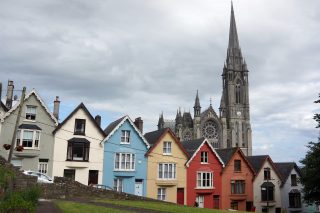
Over four centuries, Elizabeth Fort has served military roles, acted as a prison, and operated as a police station. Today, it has been revitalised as a public heritage site that hosts cultural festivals, seasonal events, and guided visits. Its ramparts offer some of the best views of Cork's skyline, from Saint Fin Barre's Cathedral to the city quays.
Table of Contents
History and Significance of Elizabeth Fort
Elizabeth Fort was first constructed in 1601 during a period of political and military tension in Ireland. Commissioned by Sir George Carew, it was named in honour of Queen Elizabeth I and built on high ground overlooking the medieval city. Its strategic placement allowed authorities to guard the city and monitor movement along the River Lee. However, the original fortification did not last long: it was demolished in 1603, shortly after the Queen's death.
The reconstructed fort, built primarily between 1624 and 1626, adopted the more advanced star-fort design popular in Europe at the time. With bastions, thick walls, and defensive positions, it was well suited to the evolving nature of warfare. As Cork grew, Elizabeth Fort shifted from an outpost outside the walls to a fortified point within the city's expanding boundaries, remaining militarily significant for centuries.
Throughout its long life, the fort adapted to new civic roles. During the 18th and 19th centuries, it served as military barracks, later becoming a prison and eventually a Garda (police) station. Its sturdy walls and elevated layout made it naturally suited to secure functions. In recent decades, the fort has transformed into a cultural and educational space, celebrating Cork’s heritage through festivals, tours, and public events.
Things to See and Do in Elizabeth Fort
The star attraction is the rampart walk, where visitors can stroll along the tops of the fort's walls and enjoy panoramic views across Cork. From here you can see Saint Fin Barre's Cathedral, the River Lee channels, and the rooftops of the historic city centre. The blend of open sky and historic stonework offers a wonderful setting for photography.
Interpretive panels throughout the site explain the fort’s military origins, later uses, and architectural features. Visitors can explore the bastions, internal courtyards, and lookout points, gaining insight into how the fort would have functioned during its various phases. Its compact size makes it easy to explore without feeling rushed.
Elizabeth Fort is also a lively cultural venue. Throughout the year, it hosts events such as the Cork Midsummer Festival, Cork Heritage Open Day, the Cork St Patrick's Festival, Culture Night, and Heritage Week. These celebrations bring music, art, storytelling, and community life to the fort's atmospheric surroundings.
How to Get to Elizabeth Fort
Cork Airport is the nearest major airport and is only a short drive from the city centre, making it convenient for visitors arriving from across Europe. For the best deals and a seamless booking experience, check out these flights to Cork on Booking.com.
Travellers arriving by train can reach Cork Kent Station and take a quick bus or taxi ride to the fort, located just south of the city centre near Saint Fin Barre's Cathedral. Train schedules and bookings can be found on Omio.
Driving to Elizabeth Fort is simple, with several nearby streets offering parking options. From there, it is a short walk up to the fort's main entrance.
Practical Tips on Visiting Elizabeth Fort
- Best time to visit Elizabeth Fort: Late morning or early afternoon for the best light on the city skyline.
- Entrance fee in Euros: Free entry.
- Opening hours: Open Tuesday-Saturday from 10 AM-5 PM; Sunday from 12 PM-5 PM.
- Official website: Visit the Elizabeth Fort website or Cork City Council's heritage pages for updates.
- How long to spend: Around 30-60 minutes is enough for a relaxed visit.
- Accessibility: Some sections involve steps; ramparts may not be accessible to all visitors.
- Facilities: Limited on-site facilities; cafés and toilets are nearby.
- Photography tip: Capture the view toward Saint Fin Barre's Cathedral from the western ramparts.
- Guided tours: Often available during festivals or special heritage events.
- Nearby food options: The surrounding streets have cafés, bakeries, and pubs within a short walk.
Where to Stay close to Elizabeth Fort
Cork offers several excellent accommodation options close to the fort. The River Lee Hotel provides modern comfort along the riverside, within walking distance of the site The River Lee Hotel. For central convenience, The Imperial Hotel offers classic style right in the city centre The Imperial Hotel. Travellers who prefer boutique charm may enjoy the Montenotte Hotel, known for its elevated views and vibrant interiors The Montenotte Hotel.
Is Elizabeth Fort Worth Visiting?
Yes. Elizabeth Fort is one of the best places to visit in Cork for its mix of history, views, and cultural life. Its compact size makes it an easy and enjoyable stop, while its heritage and hilltop perspective offer a deeper understanding of Cork's past. From festivals to free daily visits, the fort rewards both casual explorers and history enthusiasts.
What Other Travellers Say...

Elizabeth Fort on Barrack St in The Lough is a star‑shaped 17th‑century fort just outside Cork's medieval walls that's free to enter and easy to wander around; visitors note its compact layout, informative panels and small museum that covers its varied past including use as a convict depot for female prisoners bound for Australia, and praise friendly staff, good presentation and excellent city views despite the tucked‑away entrance between shops.


FAQs for Visiting Elizabeth Fort
Nearby Attractions to Elizabeth Fort
- Saint Fin Barre's Cathedral: A striking Gothic Revival landmark beside the fort.
- Cork City Gaol: Atmospheric former prison turned museum west of the city centre.
- Cork Public Museum: Exhibitions exploring archaeology, history, and culture.
- Shandon Tower (St Anne's Church): Famous tower with ringing bells and great city views.
- University College Cork: Historic campus with gardens, riverside paths, and the Glucksman Gallery.
The Elizabeth Fort appears in our Complete Guide to Visiting Cork!

Moira & Andy
Hey! We're Moira & Andy. From hiking the Camino to trips around Europe in Bert our campervan — we've been traveling together since retirement in 2020!
This website uses affiliate links which may earn a commission at no additional cost to you!
Planning Your Visit
May-September: Tuesday-Saturday 10:00-17:00; Sunday 12:00-17:00
October-April: Tuesday-Saturday 10:00-17:00; Sunday 12:00-17:00
Nearby Attractions
- Saint Fin Barre’s Cathedral (0.2) km
Cathedral - English Market (0.4) km
Market - Oliver Plunkett Street (0.6) km
Street - Crawford Municipal Art Gallery (0.7) km
Arts Venue and Historic Site - St. Patrick's Street (0.7) km
Street - The Glucksman (0.9) km
Arts Venue - Butter Museum (0.9) km
Museum - Shandon Tower (St Anne's Church) (1.0) km
Church - University College (1.0) km
Historic Building - Cathedral of St. Mary and St. Anne (1.1) km
Cathedral