Dom Luís I Bridge, Porto
Bridge in Porto
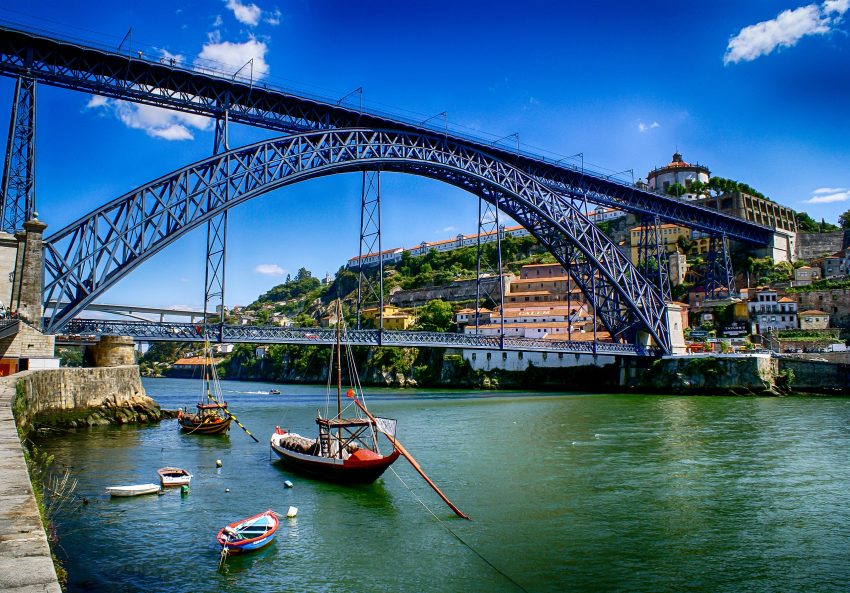
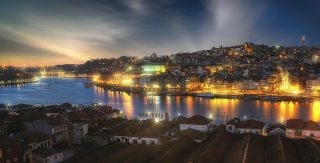
The Dom Luís I Bridge is the landmark that seems to appear in every Porto postcard, and it truly earns the spotlight. This double-deck iron arch spans the Douro between Porto and Vila Nova de Gaia, and the moment you step onto it you understand why it's one of the city's must-see places: the river stretches wide beneath you, the rooftops climb toward the cathedral, and Porto suddenly feels vast and dramatic.
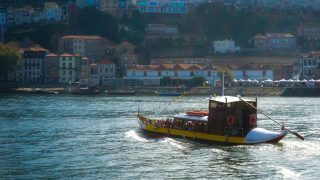
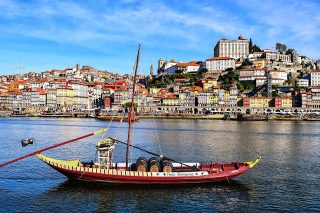
Many visitors experience the bridge as part of a Six Bridges Cruise, where its striking silhouette is admired from the water alongside Porto's other iconic crossings. On land, it's also a highlight of walking tours because it naturally links the riverside Ribeira quarter with Gaia's viewpoints and wine lodges. Even if you're not following a set route, crossing the bridge is an easy, rewarding walk that can anchor a whole afternoon of exploring on foot.
Table of Contents
- History and Significance of the Dom Luís I Bridge
- Things to See and Do in the Dom Luís I Bridge
- Practical Tips on Visiting the Dom Luís I Bridge
- Where to Stay close to the Dom Luís I Bridge
- Is the Dom Luís I Bridge Worth Visiting?
- FAQs for Visiting Dom Luís I Bridge
- Nearby Attractions to the Dom Luís I Bridge
History and Significance of the Dom Luís I Bridge
Built in the late 19th century, the Dom Luís I Bridge reflects the period when Porto was modernising its infrastructure to better connect the historic riverfront with the growing city and the south bank. It was designed by Belgian engineer Théophile Seyrig and constructed between 1881 and 1886, a time when iron bridges were both engineering achievements and symbols of civic confidence.
A key part of its identity is the double-deck layout, which helped Porto handle different types of traffic and movement across the river. While usage has changed over time, the bridge's structure remains the defining visual signature of the Douro waterfront, and it has become inseparable from how people picture Porto.
It is sometimes confused with the nearby Maria Pia Bridge because both share the elegant iron-arch language associated with the era. Dom Luís I stands out, though, for how closely it is woven into everyday city life: it's not just a historic engineering feat, it's a living route that locals and visitors use constantly, day and night.
Things to See and Do in the Dom Luís I Bridge
The best experience is to walk it slowly rather than treating it as a quick crossing. The upper deck gives the most expansive views over Ribeira and the Douro valley, while the lower deck keeps you closer to the river and the bustle of the waterfront. If you have time, do both, because the perspective changes completely.
For views, pause mid-span and look in both directions: one way toward the historic center and cathedral ridge, the other toward Gaia's slopes and the wine lodge district. Sunset is especially memorable, but even a cloudy day can look cinematic here, with the ironwork framing the river and the city's layered architecture.
The bridge also works brilliantly as a connector in your itinerary. Cross from Porto to Gaia for viewpoints and a drink, then return via a different level to keep the walk fresh, or combine it with a riverside promenade so you experience the bridge from below as well as from on top.
Practical Tips on Visiting the Dom Luís I Bridge
- Suggested tips: Walk the upper deck for the biggest panorama, then return via the lower deck for a river-level perspective and more waterfront energy.
- Best time to visit: Early morning for fewer people and crisp photos, or late afternoon into sunset for the most dramatic light over the Douro.
- Entrance fee: Free
- Opening hours: 24 hours
- Official website:
- How long to spend: 20-40 minutes for a simple crossing with stops, or 60-90 minutes if you do both decks and add nearby viewpoints.
- Accessibility: Expect slopes and busy pedestrian flow at peak times; the surrounding approach routes can be steep depending on which side you start from.
- Facilities: No facilities on the bridge itself, but plenty of cafés, shops, and restrooms nearby in Ribeira and Gaia.
- Photography tip: Stand slightly off the main flow to avoid shake and crowd pressure, and use the ironwork as a frame for the river and skyline.
- Guided tours: Many city walks include the bridge as a signature moment, especially routes that link Ribeira with Gaia viewpoints.
- Nearby food options: Ribeira is ideal for riverside terraces, while Gaia is great for pairing views with Port tastings and relaxed bars.
Where to Stay close to the Dom Luís I Bridge
If you want to be within easy walking distance, staying in the historic center, Ribeira, or the lower Baixa area keeps you close to the riverfront and makes early-morning and late-night bridge walks simple. This is also a practical base for seeing Porto largely on foot, with quick access to viewpoints, restaurants, and river cruises.
For a prime riverside location, Pestana Vintage Porto puts you steps from the Douro and an easy walk to the bridge. Another convenient option is Eurostars Porto Douro, which is well positioned for river views and quick access to the upper deck approach. If you prefer to stay slightly back from the busiest riverfront streets while remaining central, Torel Palace Porto is a strong base for exploring.
Is the Dom Luís I Bridge Worth Visiting?
Yes, and it’s worth doing even if you think you’ve “seen it” already from photographs. The bridge delivers one of Porto’s most rewarding vantage points, and the feeling of moving through the skyline above the river is hard to replicate anywhere else in the city.
It also offers excellent value in itinerary terms: it's free, always accessible, and doubles as both an attraction and a practical route. Whether you visit at sunrise, midday, or after dark when the lights come on, it tends to become one of those Porto moments you remember most clearly.
What Other Travellers Say...

Luís I Bridge spans the Douro between Porto and Vila Nova de Gaia with two metal decks—an upper level carrying the metro and pedestrians and a lower level for vehicles—and is celebrated for its elegant ironwork and sweeping arches that make it a photographer's favorite; walking the top deck gives panoramic views of the river and Ribeira, it's lively and often crowded with tourists and street vendors (and trains passing on the upper level), and it's striking both by day and illuminated at night, with many visitors also enjoying views of the bridge from riverside bars.


FAQs for Visiting Dom Luís I Bridge
Nearby Attractions to the Dom Luís I Bridge
- Ribeira Square (Praça da Ribeira): The riverside hub for cafés, people-watching, and classic views of the bridge from below.
- Porto Cathedral (Sé do Porto): A landmark hilltop cathedral with sweeping panoramas that pair perfectly with a bridge walk.
- Jardim do Morro: A popular Gaia viewpoint with space to sit and watch the sunset over Porto's skyline.
- Cais de Gaia: The lively waterfront lined with Port wine lodges and terraces facing the Ribeira district.
- Palácio da Bolsa: A grand historic building near the river known for ornate interiors and guided visits.
The Dom Luís I Bridge appears in our Complete Guide to Visiting Porto!

Moira & Andy
Hey! We're Moira & Andy. From hiking the Camino to trips around Europe in Bert our campervan — we've been traveling together since retirement in 2020!
This website uses affiliate links which may earn a commission at no additional cost to you!
Planning Your Visit
24 hours
Free
Nearby Attractions
- Funicular dos Guindais (0.1) km
Railway - Muralhas de D. Fernando (0.2) km
City Walls - Calém Wine Cellars (0.2) km
Wine Cellar - Serra do Pilar Monastery (0.2) km
Monastery - Jardim do Morro (0.3) km
Gardens and Viewing Point - Praça da Ribeira (0.3) km
Square - Porto Cathedral (0.4) km
Cathedral - Sandeman Wine Cellar (0.4) km
Wine Cellar - Espaço Porto Cruz (0.4) km
Wine Cellar - Casa do Infante (0.4) km
Historic Building