The Tekke of Dollma, Kruja
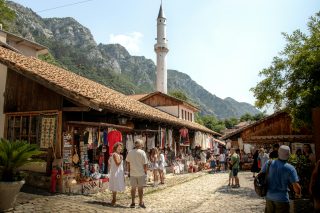
Mosque in Kruja

Tucked away on the southern edge of Kruja Castle, Dollma Teqe is one of Albania's most serene and spiritually rich landmarks. Built in 1789, this Bektashi temple stands as a testament to the country's layered religious and cultural history, where Islamic mysticism, Christian traditions, and national pride coexist harmoniously. The teqe's intimate atmosphere, adorned with frescoes, inscriptions, and the soft fragrance of incense, invites quiet reflection and a deeper appreciation for Albania's spiritual diversity.
For travelers exploring the Kruja Castle complex, Dollma Teqe is one of the must-see places in Kruja - a site where faith, history, and legend converge. Set beside the remnants of a former Ottoman hamam (later turned into a church), the teqe is a great place to visit on a walking tour of Kruja, offering a tranquil contrast to the fortress's martial history and the lively energy of the nearby bazaar.
History and Significance of Dollma Teqe
Dollma Teqe was established in 1789 as a house of worship for the Bektashi Order, a Sufi Islamic movement that emphasizes spiritual unity, tolerance, and personal enlightenment. It was founded and has since been maintained by the Dollma family, who have served as its guardians for over two centuries. The teqe's creation marked Kruja as an important center of Bektashi devotion, complementing the town's already significant religious landscape, which included mosques, churches, and Sufi sanctuaries.
The teqe’s survival through centuries of political change and religious upheaval highlights its importance in Albanian history. During the communist regime, when all religious practice was banned, the building suffered neglect but remained a symbol of quiet resistance and spiritual endurance. Following the fall of communism, the Dollma family oversaw its restoration, and in recent years - particularly after the 2019 earthquakes - renewed conservation efforts have ensured its continued preservation.
The site’s most iconic feature is the ancient knotted olive tree standing at its entrance. Legend holds that Skanderbeg himself planted this tree, symbolizing Albania’s unity, resilience, and deep-rooted faith. Whether literal or symbolic, this connection to the national hero adds another layer of reverence, linking the mystical heritage of the Bektashi with the patriotic spirit of Albanian identity.
Things to See and Do in Dollma Teqe
Visiting Dollma Teqe offers a serene counterpoint to the grand fortifications of Kruja Castle. Inside, the teqe's modest yet beautiful design reflects the simplicity and spirituality of Sufi architecture. Visitors can admire frescoes with floral motifs, Arabic calligraphy, and symbolic patterns that evoke contemplation. The presence of the tombs of revered Bektashi figures from the Dollma lineage makes the teqe both a place of worship and a site of pilgrimage.
Outside, the ancient olive tree draws attention as a living monument to Albanian endurance. Many visitors stop beneath its gnarled branches to reflect or take photographs, making it one of the most memorable sights within the castle grounds. The teqe's peaceful courtyard and shaded surroundings create an atmosphere of calm ideal for quiet moments of rest during a tour of Kruja. This spot is one of the best places to visit in Kruja for those seeking a spiritual or cultural connection to the town's history.
How to Get There
Dollma Teqe is located within the Kruja Castle complex, approximately 32 km north of Tirana. It can be reached by car in around one hour via the SH52 highway. If you are looking to rent a car in Albania I recommend having a look at Discover Cars, first, as they compare prices and review multiple car rental agencies for you.
Public buses also run from Tirana to Kruja, stopping in the town center. From there, a scenic uphill walk through the Old Bazaar leads to the castle gates, where the teqe is signposted within the fortress grounds. The path is cobbled and slightly steep, so comfortable walking shoes are recommended.
Practical Tips on Visiting Dollma Teqe
- Best time to visit Dollma Teqe: Morning or late afternoon for soft light and peaceful ambience.
- Entrance fee in Euros: Free; donations appreciated.
- Opening hours: Open daily, usually from 9 am to 5 pm.
- Official website: None; information available at Kruja Castle's visitor center.
- How long to spend: 20-30 minutes.
- Accessibility: Steps and uneven paths; moderate access.
- Facilities: Basic; restrooms and cafés nearby within the castle area.
- Photography tip: Capture the teqe framed by the olive tree and castle walls.
- Guided tours: Often included in Kruja Castle tours with local guides explaining the site's spiritual history.
- Nearby food options: Restaurants in the castle courtyard serving traditional Albanian dishes.
Is Dollma Teqe Worth Visiting?
Yes. Dollma Teqe is one of the top attractions in Kruja, offering a peaceful and reflective experience that complements the historical grandeur of the castle. Its combination of spiritual depth, family heritage, and symbolic legend makes it a unique stop in Albania's cultural landscape. Visitors seeking more than monuments will find in Dollma Teqe a quiet, soulful connection to the country's history of faith and resilience.
What Other Travellers Say...

The Tekke of Dollma, a short walk from Krujë Castle, is a small Bektashi spiritual site set on a climbable slope; visitors note a 500-year-old olive tree and nearby Turkish graves, an intriguing tunnel at the base of the hill, free admission, and warn of slippery stones underfoot, while local lore about Skanderbeg and sheep adds colour to the visit.


FAQs for Visiting Dollma Teqe
Nearby Attractions to Dollma Teqe
- Sari Salltik Cave - A mountain shrine and pilgrimage site overlooking Kruja and the surrounding plains.
- Kruja Castle - The fortress where Skanderbeg led Albania's resistance against the Ottomans.
- Skanderbeg Museum - Dedicated to Albania's national hero and his legendary campaigns.
- Kruja Ethnographic Museum - A beautifully preserved Ottoman-era home showcasing traditional life.
- Old Bazaar of Kruja - A centuries-old marketplace filled with crafts and local products.
The The Tekke of Dollma appears in our Complete Guide to Visiting Kruja!

Moira & Andy
Hey! We're Moira & Andy. From hiking the Camino to trips around Europe in Bert our campervan — we've been traveling together since retirement in 2020!
This website uses affiliate links which may earn a commission at no additional cost to you!
Planning Your Visit
Nearby Attractions
- Kruja’s Medieval Hammam (0.0) km
Historic Building - Kruja Ethnographic Museum (0.1) km
Museum - Skanderbeg Museum (0.2) km
Museum - Kruja Castle (0.2) km
Castle - Watch Tower (0.3) km
Tower - Kruja Bazaar (0.4) km
Bazaar - Skanderbeg Monument (0.5) km
Monument - Sari Salltik Cave (1.5) km
Cave and Religious Building - Zgërdhesh Archaeological Site (3.7) km
Ruins - Qafshtame National Park (8.5) km
National Park