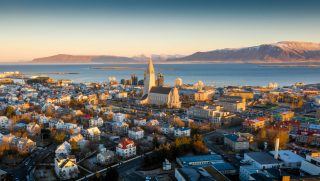
Diamond Beach, Reykjavik
Beach near Reykjavik
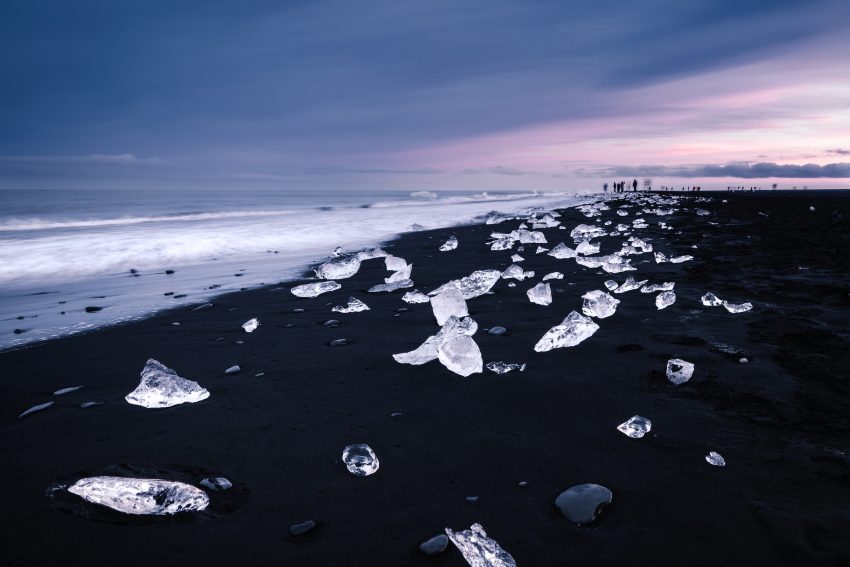
Diamond Beach (often referred to locally as Breiðamerkursandur/Fellsfjara) is one of Iceland's most photogenic natural stops: a strip of jet-black sand scattered with chunks of glacial ice that drift out from nearby Jökulsárlón and get tossed back onto shore by the Atlantic. When the sun hits the ice, it can look like a field of gemstones-clear, blue-tinged, and sculpted into sharp, faceted shapes by the surf.
It is best visited as a paired stop with Jökulsárlón Glacier Lagoon, since the beach is only minutes away and the “diamonds” you see are directly tied to the lagoon's constantly changing ice. Many South Coast itineraries treat it as a short, high-impact walking stop: park once, enjoy the lagoon viewpoints, then walk or drive the short distance to the beach for a completely different perspective on the same ice.
Table of Contents
- History and Significance of the Diamond Beach
- Things to See and Do in the Diamond Beach
- How to Get to the Diamond Beach
- Practical Tips on Visiting the Diamond Beach
- Where to Stay Close to the Diamond Beach
- Is the Diamond Beach Worth Visiting?
- For Different Travelers
- FAQs for Visiting Diamond Beach
- Nearby Attractions to the Diamond Beach
History and Significance of the Diamond Beach
Diamond Beach is not “built” history in the traditional sense, but it is a living demonstration of Iceland's defining forces-glacier, volcano, and ocean-colliding in one place. The beach's black sand comes from volcanic material, while the ice originates from Breiðamerkurjökull, an outlet glacier of Vatnajökull, Europe's largest ice cap. The lagoon and shoreline are shaped by meltwater, glacial calving, and coastal processes that continually rearrange what you see from day to day.
As part of the Breiðamerkursandur area within Vatnajökull National Park, the landscape has conservation importance as well as visitor appeal. The shoreline is dynamic and sometimes harsh: powerful tides and shifting channels move ice and sand rapidly, which is why the scene can look completely different even a few hours apart.
Things to See and Do in the Diamond Beach
Start with a slow walk along the waterline to spot the clearest and most sculptural pieces of ice-some look like polished glass, others like blue marble, and many carry bubbles or streaks frozen inside. Because the beach is long and the ice distribution changes with tides, it is usually worth walking beyond the first cluster near the access points for quieter stretches and fresher-looking “diamonds.”
Photography is the headline activity here, but approach it with a safety-first mindset. The classic shots come from low angles that emphasize contrast between ice and black sand, and from backlit moments when the ice glows. Sunrise and late-day light can be exceptional, and in summer the long daylight window makes it easy to catch softer light without rushing.
Pair the beach with the immediate area for a fuller experience. Jökulsárlón offers elevated viewpoints and floating bergs; the beach gives you the intimate, tactile scale of the same ice. If you have extra time, consider a short detour to Fjallsárlón for a calmer lagoon setting, especially if you prefer fewer crowds.
How to Get to the Diamond Beach
For flights, the main international gateway is Keflavík International Airport (KEF), then continue by road via the South Coast to the Jökulsárlón/Diamond Beach area. For the best deals and a seamless booking experience, check out these flights to Reykjavik on Booking.com. A closer (limited) option is Hornafjörður Airport (HFN) near Höfn, which has scheduled flights to Reykjavík domestic airport, depending on season and service. For the best deals and a seamless booking experience, check out these flights to Reykjavik on Booking.com.
Most visitors reach Diamond Beach as a self-drive stop on Route 1 (the Ring Road) between Vík and Höfn, with the turn-off at the Jökulsárlón area and a short hop to the beach access.
Parking at Diamond Beach (Fellsfjara) is available on both sides of the outlet from Jökulsárlón Glacier Lagoon. The east side is Eystri-Fellsfjara (East Diamond Beach) and the west side is Vestari-Fellsfjara (West Diamond Beach). The parking fee you pay at Jökulsárlón also covers Diamond Beach across the road: Jökulsárlón, Eystri-Fellsfjara, and Vestari-Fellsfjara are treated as a single payment zone, so one payment is valid for parking at any of the three lots for the rest of the day.
Practical Tips on Visiting the Diamond Beach
- Entrance fee: Parking fee (Jökulsárlón area, passenger car up to 5 seats): 1.040 ISK, valid until midnight.
- Opening hours: 24 Hours
- Official website: https://www.vatnajokulsthjodgardur.is/en/areas/jokulsarlon/afangastadur-fellsfjara
- Best time to visit: Aim for early morning or later in the day for calmer light and fewer people, and plan to be flexible because the amount of ice on shore changes with tides and recent calving.
- How long to spend: 30-60 minutes works for a quick look and photos; 90 minutes is more realistic if you want to walk farther along the shoreline for better clusters of ice.
- Accessibility: The beach surface is uneven, soft, and often icy or wet, so it is not reliably wheelchair-friendly; even for confident walkers, sturdy footwear helps.
- Facilities: Expect basic facilities near the main parking area (shared with the broader Jökulsárlón stop), but the beach itself is an exposed natural shoreline with minimal shelter.
Where to Stay Close to the Diamond Beach
For the easiest logistics and the most unhurried visit, base yourself in the Jökulsárlón-Höfn corridor for a nature-focused itinerary, while Reykjavík only makes sense if you are treating this as a very long day trip rather than a core South Coast segment.
If you want to be as close as possible for sunrise, sunset, or a second look after crowds thin out, consider Fosshotel Glacier Lagoon for a comfortable, well-positioned base between Skaftafell and Jökulsárlón. For a simple, local-feeling option right in the area, Hali Country Hotel is practical for early starts and quick access to the lagoon and beach. If you prefer staying in a small town with more dining choice, Hotel Höfn puts you in Höfn while keeping Diamond Beach within an easy drive.
Is the Diamond Beach Worth Visiting?
Yes-if you are already traveling the South Coast, Diamond Beach is one of the highest “wow per minute” stops in Iceland, and it pairs perfectly with Jökulsárlón for a two-in-one landscape experience that feels genuinely unique. The contrast of volcanic sand and crystalline ice is not just pretty; it is also a vivid, close-range way to understand how Iceland's glaciers and coastline interact.
Honest pivot: skip it if your schedule is tight and you are not already going as far as Jökulsárlón, because the long drive can feel disproportionate if you only stop for a quick photo. Also consider skipping in severe wind/low visibility conditions, when blowing sand and rough surf make the experience less enjoyable and far less safe.
What Other Travellers Say...

Reviewers consistently describe Diamond Beach as a striking, highly photogenic stop, with crystal-clear glacial ice scattered across black volcanic sand and constantly changing scenery depending on tides, light, and weather. Sunrise or early/late visits are recommended for softer light and fewer crowds, and some mention seals as a bonus. Practical notes include nearby parking (reported as paid) and easy access from Jökulsárlón. Downsides include daytime busier periods, rapidly shifting cold and windy weather, and the need for caution around strong, unpredictable waves.


For Different Travelers
Families with Kids
Diamond Beach can be a memorable “natural treasure hunt” for kids, especially if you frame it as finding different shapes and colors of ice. Keep the visit short and structured-20-40 minutes can be enough-because wind and cold can drain patience quickly, even in shoulder seasons.
The main priority is safety: set a firm boundary well back from the waves and avoid letting children climb on larger ice chunks, which can be slippery or unstable. If you are traveling with strollers, plan for limited usefulness on soft sand and focus on the access area rather than long walks along the shoreline.
Couples & Romantic Getaways
This stop is excellent for couples who enjoy landscape photography, quiet walks, and dramatic scenery without needing an organized activity. The most romantic moments tend to be at the edges of the day-early morning or late evening-when the beach feels calmer and the light makes the ice glow.
Consider pairing it with a slower-paced plan: a lagoon viewpoint stop, a warm drink break, then the beach. The experience is better when you are not watching the clock, since the best “diamonds” may be a short walk away from the busiest access point.
Budget Travelers
Diamond Beach is a strong budget highlight because the visit itself is free, and you can control costs by pairing it with nearby stops and picnic-style meals. If you are self-driving, build it into a broader South Coast day rather than treating it as a standalone destination to reduce fuel and lodging pressure.
Budget planning should account for parking and for the reality that Iceland’s weather can force you to change plans. Having a flexible itinerary (and not pre-committing every hour) is often the best money-saving move, because it helps you avoid paying for detours or rushed last-minute changes.
FAQs for Visiting Diamond Beach
Getting There
Tickets & Entry
Visiting Experience
Photography
Accessibility & Facilities
Food & Breaks Nearby
Safety & Timing
Nearby Attractions to the Diamond Beach
- Höfn: A small coastal town known for easy services, scenic harbor views, and a convenient base for Southeast Iceland drives.
- Jökulsárlón Glacier Lagoon: View floating icebergs and shifting light across one of Iceland's most iconic glacial lagoons.
- Fjallsárlón Glacier Lagoon: A smaller, often calmer lagoon with dramatic glacier views and fewer crowds.
- Skaftafell: A prime Vatnajökull National Park area for hikes, viewpoints, and well-marked trails.
- Svartifoss: A waterfall framed by dark basalt columns, reached by a popular hike from the Skaftafell area.
The Diamond Beach appears in our Complete Guide to Visiting Reykjavik!

Moira & Andy
Hey! We're Moira & Andy. From hiking the Camino to trips around Europe in Bert our campervan — we've been traveling together since retirement in 2020!
This website uses affiliate links which may earn a commission at no additional cost to you!
Planning Your Visit
24 Hours
Parking fee (Jökulsárlón area, passenger car up to 5 seats): 1.040 ISK, valid until midnight.
Nearby Attractions
- Jökulsárlón Glacier Lagoon (4.6) km
Lake - Fjallsárlón Glacier Lagoon (10.5) km
Lake - Skaftafell (38.1) km
National Park - Svartifoss Waterfall (38.9) km
Waterfalls - Reynisfjara Beach (159.1) km
Beach and Natural Phenomenon - Gullfoss Waterfall (193.4) km
Waterfalls - Geysir Geothermal Area (201.9) km
Natural Phenomenon - Thingvellir National Park (238.8) km
National Park - Silfra Fissure (240.6) km
Natural Phenomenon - Árbær Open Air Museum (274.1) km
Historic Building, Historic Site and Museum