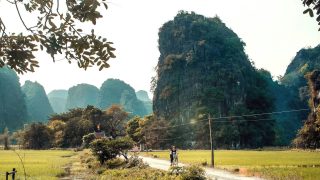
Cuc Phuong National Park, Ninh Binh (Tam Coc)
National Park near Ninh Binh (Tam Coc)
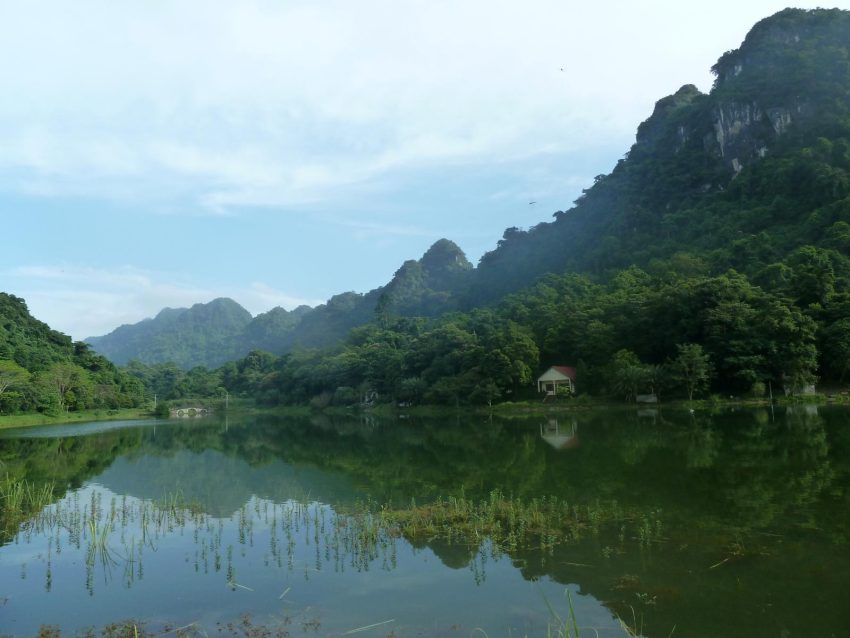
Cuc Phuong National Park lies about 120 kilometres south of Hanoi and is Vietnam's oldest national park, established in 1962 at the very start of the country's conservation journey. Spread across a lush limestone landscape, it protects more than 2,000 plant species and hundreds of bird, mammal and reptile species, with towering trees that have stood here for a thousand years. Trails wind through dense jungle, past giant trunks and limestone outcrops, leading you to prehistoric caves, viewpoints and remote Muong villages. It is one of the top attractions in Ninh Binh for travellers who enjoy nature that still feels genuinely wild.
The park's role in Vietnamese conservation history is just as important as its scenery. During a time when war and defoliants were ravaging forests elsewhere, Cuc Phuong became a symbol of environmental protection, and it has since remained one of the country's most significant protected areas. Today, visitors can combine trekking and cycling with visits to the Endangered Primate Rescue Center, birdwatching, night safaris and cave exploration, making Cuc Phuong a place that is often visited on walking tours of Ninh Binh and the wider region for those who want more than just boat trips and pagodas.
Table of Contents
- History and Significance of Cuc Phuong National Park
- Things to See and Do in Cuc Phuong National Park
- How to Get to Cuc Phuong National Park
- Practical Tips on Visiting the Cuc Phuong National Park
- Where to Stay close to the Cuc Phuong National Park
- Is the Cuc Phuong National Park Worth Visiting
- FAQs for Visiting Cuc Phuong National Park
- Nearby Attractions to the Cuc Phuong National Park
History and Significance of Cuc Phuong National Park
Cuc Phuong National Park was officially established in 1962, making it Vietnam's first national park and a landmark in the country's environmental movement. At that time, during the Vietnam War, forests across the country were being heavily damaged by bombing and chemical defoliants. Ho Chi Minh recognised that protecting key ecosystems would be essential for Vietnam's long-term future and designated Cuc Phuong as a priority conservation area, setting an example for the 29 other national parks that would follow.
The park lies in a limestone basin shared by Ninh Binh and neighbouring provinces, with steep forested slopes, valleys and caves creating a mosaic of habitats. Its karst terrain, combined with high rainfall and tropical climate, has allowed an exceptional diversity of flora and fauna to flourish, including trees more than 50 metres tall and over 1,000 years old. Over time, Cuc Phuong has become both a scientific research hub and a living classroom for Vietnamese students and international visitors interested in tropical ecology.
Despite protection, the park has not been immune to the pressures of poaching and habitat loss in surrounding areas. Iconic species such as the Asian black bear, Siamese crocodile, wild dog and tiger have disappeared from Cuc Phuong, and many remaining mammals are shy and rarely seen. Yet the park still shelters endangered species like the Delacour langur and a wide range of primates, birds, reptiles and insects. The creation of the Endangered Primate Rescue Center near the entrance has turned Cuc Phuong into a focal point for rescue, rehabilitation and breeding work, highlighting the park’s role not just in preserving habitat, but actively restoring some of Vietnam’s most threatened animals.
Things to See and Do in Cuc Phuong National Park
Trekking is one of the main reasons people come to Cuc Phuong. The park offers a network of routes ranging from short, family-friendly walks to full-day hikes. Close to the visitor centre, the Fauna and Flora Garden trail is about 3 km and takes around two hours, introducing you to native plants, butterflies and maybe a shy bird or two. A short walk to the Observation Tower rewards you with a panoramic view over the canopy, while the 6 km Old Tree Walk takes you deeper into the forest to visit a colossal, thousand-year-old tree that really conveys the age and resilience of this ecosystem.
Longer treks add a sense of adventure. The four-hour route to Silver Cloud Peak leads you up to higher ground for sweeping views on clear days, and the 15 km hike to a Muong village lets you experience both forest and traditional culture. Many visitors choose to stay overnight in stilt-house homestays with Muong families, enjoying local food and sometimes rafting on the Buoi River. Along the way you may encounter stick insects, bright butterflies, orchids and a chorus of birds, even if larger mammals stay out of sight.
Near the entrance, the Endangered Primate Rescue Center is a must-see. Here, rescued primates such as Delacour’s langurs, Cat Ba (golden) langurs and grey-shanked douc langurs live in spacious enclosures as part of rehabilitation and breeding programmes. You can learn about their stories, the threats they face and the work being done to reintroduce some individuals into semi-wild areas. This centre, along with traditional music performances by the Muong minority on certain evenings, helps connect the forest experience with living conservation and local culture.
Water and caves add more variety. You can rent kayaks on the artificial Mac Lake or the natural Yen Quang Lake, paddling quietly across the water while listening to forest sounds. The park’s limestone geology has created numerous caves, including Thang Khuyet, Con Moong, Pho Ma, Nguoi Xua (Cave of Prehistoric Man) and others that contain ancient human remains and artefacts. The 220-step climb to the Cave of Prehistoric Man, where graves and tools dating back 7,500 years were found, gives you a tangible sense of how long people have been linked to this landscape.
Cycling, birdwatching, night safaris and simply sitting and listening to the forest round off the experience. Mountain bikes can be rented at the visitor centre, and early morning or late afternoon is perfect for spotting species like the Silver Pheasant, Red-collared Woodpecker, Brown Hornbill and Bar-bellied Pitta. At night, guided wildlife-spotting drives may reveal Indian flying squirrels, Black Giant Squirrels, Samba deer, lorises and small carnivores along forest edges and roads. Even if you do not see everything, the combination of sounds, darkness and occasional eye-shine makes it feel like the forest is very much alive around you.
How to Get to Cuc Phuong National Park
The closest major international gateway is Hanoi’s Noi Bai International Airport, around 120 kilometres north of the park, with frequent flights from across Asia and beyond. For the best deals and a seamless booking experience, check out these flights to Ninh Binh (Tam Coc) on Booking.com. From Hanoi city centre, you will first travel south towards Ninh Binh before continuing on to Cuc Phuong.
By train, you can take a north-south Reunification Line service from Hanoi to Ninh Binh Railway Station, which usually takes about 2-2.5 hours.Train schedules and bookings can be found on Omio. From Ninh Binh, taxis, private cars or pre-arranged transfers can take you the remaining 45-60 minutes to the park entrance, often via scenic rural roads.
Buses and minivans also run from Hanoi to Ninh Binh and nearby towns, departing from major stations such as Giap Bat and My Dinh. Once you arrive in Ninh Binh or a nearby hub, you can transfer to a local taxi, booked car or organised tour that includes transport into the park.
If you prefer the flexibility of driving, you can travel by car or motorbike from Hanoi along highways towards Ninh Binh, then follow signposts and local roads leading to Cuc Phuong National Park. Having your own vehicle makes it easier to explore different parts of the park, visit lakes and villages, and time your return journey around treks or night-spotting tours.
Practical Tips on Visiting the Cuc Phuong National Park
- Suggested tips: Bring sturdy walking shoes, insect repellent, a light rain jacket and plenty of water; humidity can be high, and forest trails can be muddy and uneven.
- Best time to visit: The driest, most comfortable months are typically from November to April, with April-May being especially good for butterflies and bird activity.
- Entrance fee: 50.000 VND/Person
- Opening hours: 06.00am – 05.30pm
- Official website: Website
- How long to spend: Plan at least one full day to see the main sights and the primate centre; staying one or two nights in or near the park allows time for longer treks and night-spotting.
- Accessibility: Paths and trails are often steep, rocky and uneven, with many steps in and around caves; this can be challenging for visitors with mobility issues.
- Facilities: The park entrance area has a visitor centre, basic accommodation, simple restaurants, bike and kayak rental, and information on guided treks and night safaris; facilities become more limited deeper into the park.
- Photography tip: Early morning mist in the valleys and soft light under the canopy make for atmospheric photos; in caves, a small torch or headlamp helps pick out rock formations without relying solely on camera flash.
- Guided tours: Hiring a local guide is highly recommended for longer treks, night-spotting and cave visits; guides can help you spot wildlife, stay safe on trails and understand the cultural context of Muong villages and archaeological sites.
- Nearby food options: Simple eateries in and around the park serve local dishes; for a wider choice of restaurants and cafés, head back towards Ninh Binh city or Tam Coc after your day in the forest.
Where to Stay close to the Cuc Phuong National Park
You can stay inside or just outside Cuc Phuong for a more immersive forest experience, or base yourself in Ninh Binh or Tam Coc and visit on a day trip. Near the park, simple guesthouses and park accommodations offer basic but atmospheric stays, ideal if you plan early treks or night safaris. For a blend of comfort and access to the wider Ninh Binh area, Ninh Binh Hidden Charm Hotel & Resort makes a good base, combining resort-style facilities with easy access to tours into Cuc Phuong. If you prefer a nature-focused retreat closer to Trang An and the countryside but still within day-trip distance of the park, Trang An Retreat offers bungalow-style stays among green hills. For those wanting more urban convenience and straightforward access to the train station and main roads, The Reed Hotel provides a modern city base with day tours to Cuc Phuong easily arranged.
Is the Cuc Phuong National Park Worth Visiting
If you are drawn to forests, wildlife and quieter corners of Vietnam, Cuc Phuong National Park is absolutely worth the journey. It offers a very different experience from river cave tours and pagodas: here the focus is on old-growth trees, hidden caves, night sounds and the slow work of conservation. You may not see big animals around every corner, but the sense of being in a living, ancient ecosystem is strong, especially on longer treks or night safaris. Combine that with the Endangered Primate Rescue Center, Muong cultural experiences and the chance to walk in forests that helped launch Vietnam's national park system, and it becomes one of the must-see places in Ninh Binh for nature-focused travellers.
What Other Travellers Say...

Cuc Phuong National Park is an expansive jungle reserve with varied hiking and biking trails, caves, a primate sanctuary and notable ancient trees; visitors praise lush, peaceful jungle paths, good views, wildlife sightings like langurs and rare birds, and an informative visitor center, while recommending guides for longer hikes and sturdy boots because leeches can be present. Some reviewers enjoyed lakeside refreshments, easy-to-ride paths and on-site food, and noted the trip in by motorcycle shows scenic countryside; others warn that several sights require advance guide bookings, and report mixed overnight cabin conditions and limited comfort at park substations.


FAQs for Visiting Cuc Phuong National Park
Nearby Attractions to the Cuc Phuong National Park
- Trang An Scenic Landscape Complex: UNESCO-listed boat routes through caves, limestone valleys and temples, offering a dramatic “Ha Long Bay on land” experience.
- Hoa Lu Ancient Capital: Vietnam's first royal capital, with temples to Kings Dinh and Le set among ponds and karst hills.
- Tam Coc Boat Tour: A peaceful sampan journey along the Ngo Dong River through three caves and rice fields, ideal to pair with a forest day for variety.
- Bich Dong Pagoda: A three-level cave pagoda complex built into a limestone cliff near Tam Coc, with views over rice paddies and karst peaks.
- Van Long Nature Reserve: A quieter wetland area north of Ninh Binh known for boat trips, birdwatching and chances to see Delacour's langurs on cliffs at dusk.
The Cuc Phuong National Park appears in our Complete Guide to Visiting Ninh Binh (Tam Coc)!

Moira & Andy
Hey! We're Moira & Andy. From hiking the Camino to trips around Europe in Bert our campervan — we've been traveling together since retirement in 2020!
This website uses affiliate links which may earn a commission at no additional cost to you!
Planning Your Visit
06.00am - 05.30pm
50.000 VND/Person
Nearby Attractions
- Bai Dinh Pagoda (27.2) km
Buddhist Temple - Hoa Lu Ancient Capital (31.5) km
Historic Building - Am Tien Pagoda Cave (32.3) km
Lake and Pagoda - Trang An Caves (33.1) km
River - Bich Dong Pagoda (33.9) km
Buddhist Temple - Thai Vi Temple (35.0) km
Hindu Temple - Mua Caves Viewpoint (35.4) km
Cave and Viewing Point - Tam Coc (36.1) km
Cave and River - Perfume Pagoda (36.5) km
Buddhist Temple - Quán Sứ Pagoda (82.5) km
Buddhist Temple